Levator Ani Syndrome: Understanding Pelvic Floor Dysfunction and Anal Pain
Reviewed by Dr. Jordan Barber, DACM, L.Ac.
May 7, 2025
6 min read
Levator Ani Syndrome (LAS) is a chronic pelvic pain condition most commonly experienced as deep, aching rectal pain or a persistent sensation of pressure in the anus. Many patients are told that imaging and lab tests are normal, which can be frustrating and invalidating. However, the absence of findings on scans does not mean the pain is “in your head.” In most cases, the underlying cause is musculoskeletal, involving pelvic floor muscle dysfunction, connective tissue restriction, and nervous system sensitization.
If you have been diagnosed with LAS or are dealing with ongoing anal or rectal discomfort without a clear explanation, understanding how the pelvic floor works can clarify why symptoms develop and how targeted, integrative care may help.
What Is Levator Ani Syndrome?
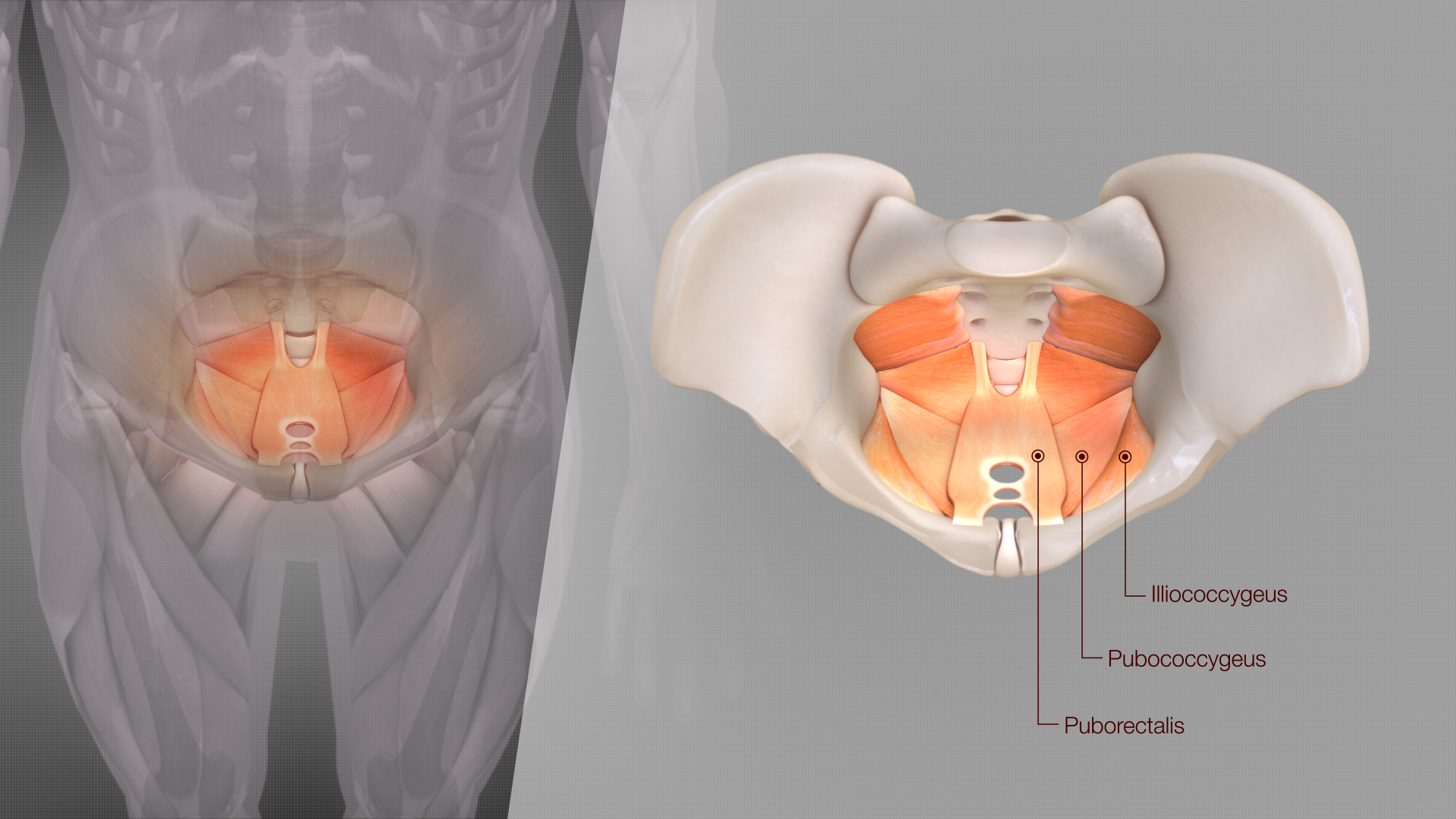
Levator Ani Syndrome is a form of chronic proctalgia, a term used to describe recurring rectal or perineal pain without an identifiable inflammatory or structural disease. It is most often associated with excessive tension or spasm in the levator ani muscle group, particularly the pubococcygeus and iliococcygeus muscles.¹
This pattern of sustained contraction is often referred to as levator spasm. Instead of relaxing appropriately during sitting, bowel movements, or rest, the muscles remain guarded and overactive. Over time, this creates local ischemia, nerve irritation, and referred pain patterns.
Common symptoms include:
Deep, dull aching pain in the rectum or anus
A feeling of pressure, tightness, or fullness high in the anal canal
Pain that worsens with sitting, stress, bowel movements, or prolonged postures
Referred discomfort to the tailbone, low back, hips, or perineum
Some patients experience intermittent episodes, while others develop persistent, daily pain that interferes with work, sleep, and overall quality of life.
Levator Ani Syndrome vs. Proctalgia Fugax
LAS is sometimes confused with proctalgia fugax, another functional rectal pain condition. While both involve pelvic floor muscle activity, they differ in presentation. Proctalgia fugax is characterized by sudden, brief episodes of intense rectal pain that resolve within minutes. Levator Ani Syndrome, by contrast, causes longer-lasting discomfort that may persist for hours or remain present most days. The distinction is important because LAS usually requires direct treatment of pelvic floor muscle dysfunction rather than reassurance alone.
The Role of the Anal Sphincter and Pelvic Floor
The levator ani muscles work in close coordination with the anal sphincter to support continence, bowel function, and pelvic stability. When the levator ani becomes hypertonic, the anal sphincter often follows suit, leading to increased outlet resistance and pain.
This dysfunction can contribute to:
Painful or incomplete bowel movements
A sensation of blockage or difficulty relaxing
Increased rectal sensitivity and guarding
Over time, the nervous system may become sensitized, meaning even mild pressure or sitting can trigger disproportionate pain.
Fascia and Why Pain Persists
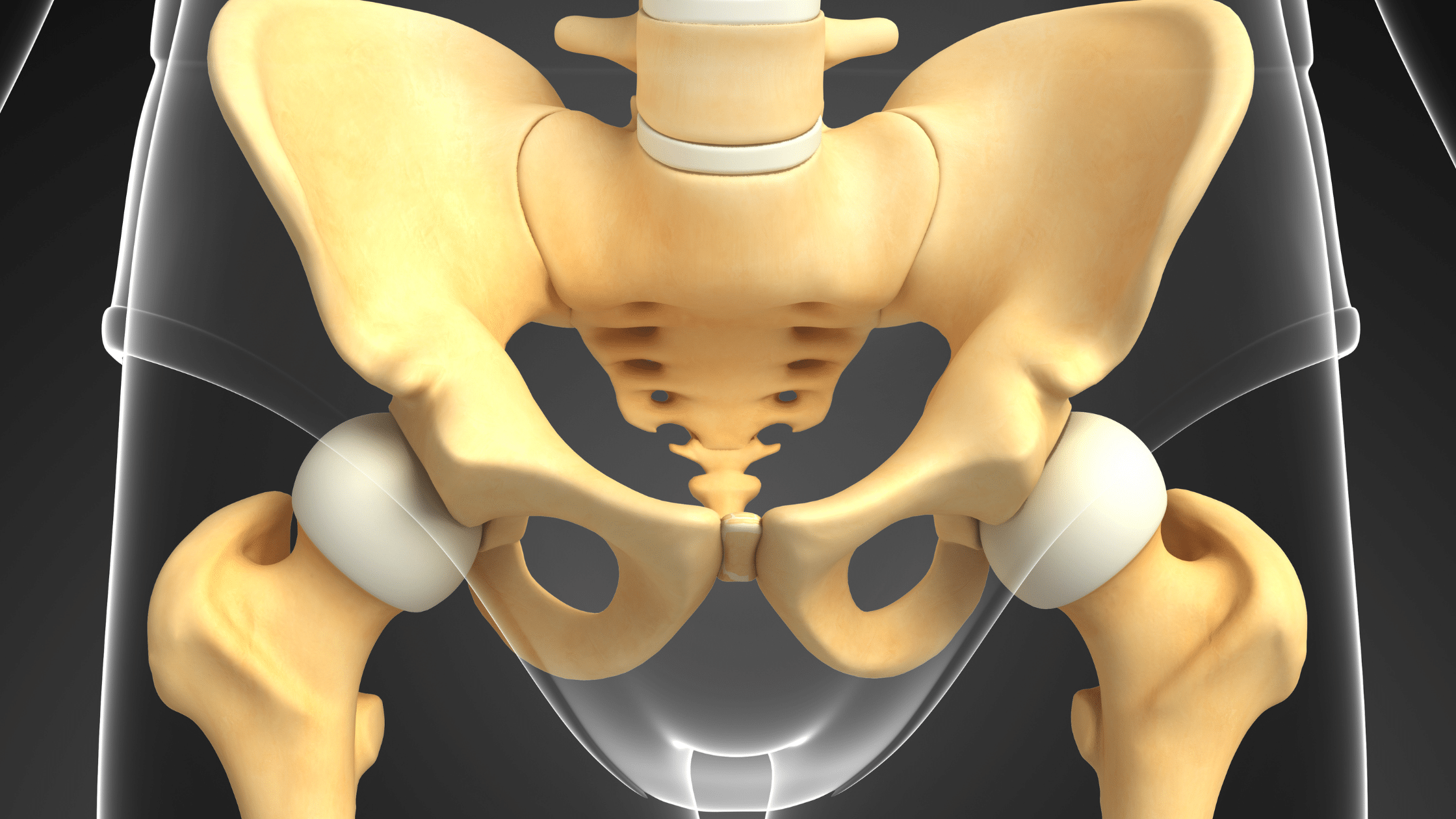
Muscle tension is only part of the picture. The pelvic floor is embedded in a dense network of connective tissue, or fascia, that links the pelvis to the hips, abdomen, spine, and thighs. When fascia becomes restricted due to trauma, surgery, inflammation, or chronic postural strain, it can place constant mechanical stress on muscles and nerves.
These fascial restrictions may not be visible on imaging but can perpetuate pain and autonomic nervous system activation. This is one reason LAS often becomes chronic if treatment focuses only on symptom relief rather than restoring normal tissue mobility.
How is Levator Ani Syndrome Evaluated
A diagnosis of Levator Ani Syndrome is typically made based on history and physical examination. During an exam, clinicians may reproduce familiar pain by palpating the levator ani muscles internally or externally. Findings often include tenderness, increased tone, and poor relaxation rather than weakness. Because LAS is a diagnosis of exclusion, it is important that other causes of rectal pain are ruled out when appropriate. Once structural disease is excluded, treatment can focus on neuromuscular and myofascial contributors.
Some patients find partial relief with conservative strategies such as warm sitz baths, which can temporarily reduce muscle tone and improve circulation. While these approaches may ease symptoms, they rarely address the underlying drivers of chronic levator spasm on their own.
How Dry Needling and Acupuncture Can Help
Pelvic floor dry needling is a targeted technique used to release trigger points and hypertonic muscle fibers within the levator ani and related structures. Using a fine, sterile needle, treatment aims to: Reduce chronic muscle guarding
Normalize resting pelvic floor tone
Improve local blood flow
Decrease nerve irritation and referred pain³⁵
Because the levator ani is deep and difficult to access externally, dry needling allows for precise intervention when performed by a clinician trained in pelvic floor anatomy and safety. You can read more about how we treat levator ani syndrome on the Upper West Side.
Acupuncture is often used alongside dry needling to support nervous system regulation, reduce central pain amplification, and improve overall pelvic circulation. In refractory cases of LAS, acupuncture has been associated with meaningful pain reduction, even when other treatments have failed.⁴
Evidence-Based, Multimodal Care
Research supports a comprehensive approach to Levator Ani Syndrome:
Translumbosacral neuromodulation has demonstrated improvements in pain and nerve dysfunction, highlighting the neuromuscular nature of LAS.¹Myofascial pain and trigger points are common findings, and pelvic floor rehabilitation shows high success rates.²
Biofeedback focused on muscle relaxation outperforms electrostimulation and massage in controlled trials.³
Acupuncture may benefit patients with chronic, treatment-resistant LAS.⁴
Dry needling shows promise in non-relaxing pelvic floor dysfunction and supports a mechanical treatment rationale.⁵
My Clinical Approach
In my practice, LAS is approached as a whole-system condition rather than a purely local problem. Evaluation includes posture, breathing mechanics, pelvic alignment, and nervous system tone. Treatment plans may include:
Pelvic floor dry needling of the levator ani, obturator internus, gluteals, and hip stabilizers
External myofascial release and internal techniques when appropriate and indicated
Acupuncture for pain modulation and autonomic balance
Breath retraining and postural re-education
Collaboration with pelvic physical therapists, gastroenterologists, or neurologists as needed
Care is individualized and focused on long-term resolution, not temporary symptom suppression.
Schedule Your Appointment
If you are experiencing persistent rectal or anal pain or have been diagnosed with Levator Ani Syndrome, targeted pelvic floor treatment may be an important next step. Integrative approaches such as dry needling and acupuncture offer evidence-informed options to reduce pain, restore normal muscle function, and calm the nervous system.
Siddiqui A, Bharucha AE, Fletcher JG, et al. Pathoetiology of Levator Ani Syndrome and its treatment with Translumbosacral Neuromodulation Therapy. World J Gastroenterol. 2023;29(25):3895–3909. PMC
Rao SS, Patcharatrakul T. Chronic proctalgia and chronic pelvic pain syndromes. World J Gastroenterol. 2011;17(40):4448–4454. PMC
Chiarioni G, Nardo A, Vantini I, Whitehead WE. Biofeedback is superior to electrogalvanic stimulation and massage for treatment of levator ani syndrome: A randomized controlled trial. Dis Colon Rectum. 2010;53(4):318–325. PMC
Kim HJ, Kim JH, Kim JH. Case Report for a Refractory Levator Ani Syndrome Treated with Acupuncture and Herbal Medicine. J Korean Obstet Gynecol. 2017;30(2):219–225. Link
Rahbarian M, Rezasoltani Z, Dadarkhah A, et al. Dry Needling in Myofascial Tracks in Non-Relaxing Pelvic Floor Dysfunction: A Case Report. J Bodyw Mov Ther. 2018;22(3):574–578. PubMed
Pelvic pain often stems from identifiable muscle and nerve dysfunction, not a mystery that needs to be managed indefinitely. Patients searching for pelvic floor acupuncture NYC are usually looking for…
Male pelvic floor dysfunction is a musculoskeletal and neurological condition, though it is frequently misunderstood or misdiagnosed as something else entirely. Men who search for male pelvic floor dysfunction acupuncture…
The signature of sciatica is hard to mistake. A sharp pain shoots from the lower back or buttock down the back of the leg, sometimes with numbness, tingling, or a…
Ready when you are.
Limited spots each week — book now to reserve yours.
Evidence-based acupuncture and dry needling on the Upper West Side. From chronic pain and headaches to pelvic floor dysfunction, Dr. Jordan Barber pairs the highest level of training with care that actually listens.
This site does not provide medical advice. Always consult a qualified healthcare professional before making changes to your health. Read our full disclaimer.