How Does Dry Needling on the Upper West Side, NYC, Help Relieve Chronic Muscle Pain?
Reviewed by Dr. Jordan Barber, DACM, L.Ac.
May 4, 2026
7 min read
Most people dealing with chronic muscle pain have already tried stretching, physical therapy, and anti-inflammatory medication. Some get partial relief. Many don’t. If you’ve hit that frustrating wall, it’s worth understanding what’s actually happening inside the muscle tissue, and why dry needling on the Upper West Side, NYC, is producing real, measurable results for patients who have exhausted standard options.
What Is Dry Needling and How Does It Work?
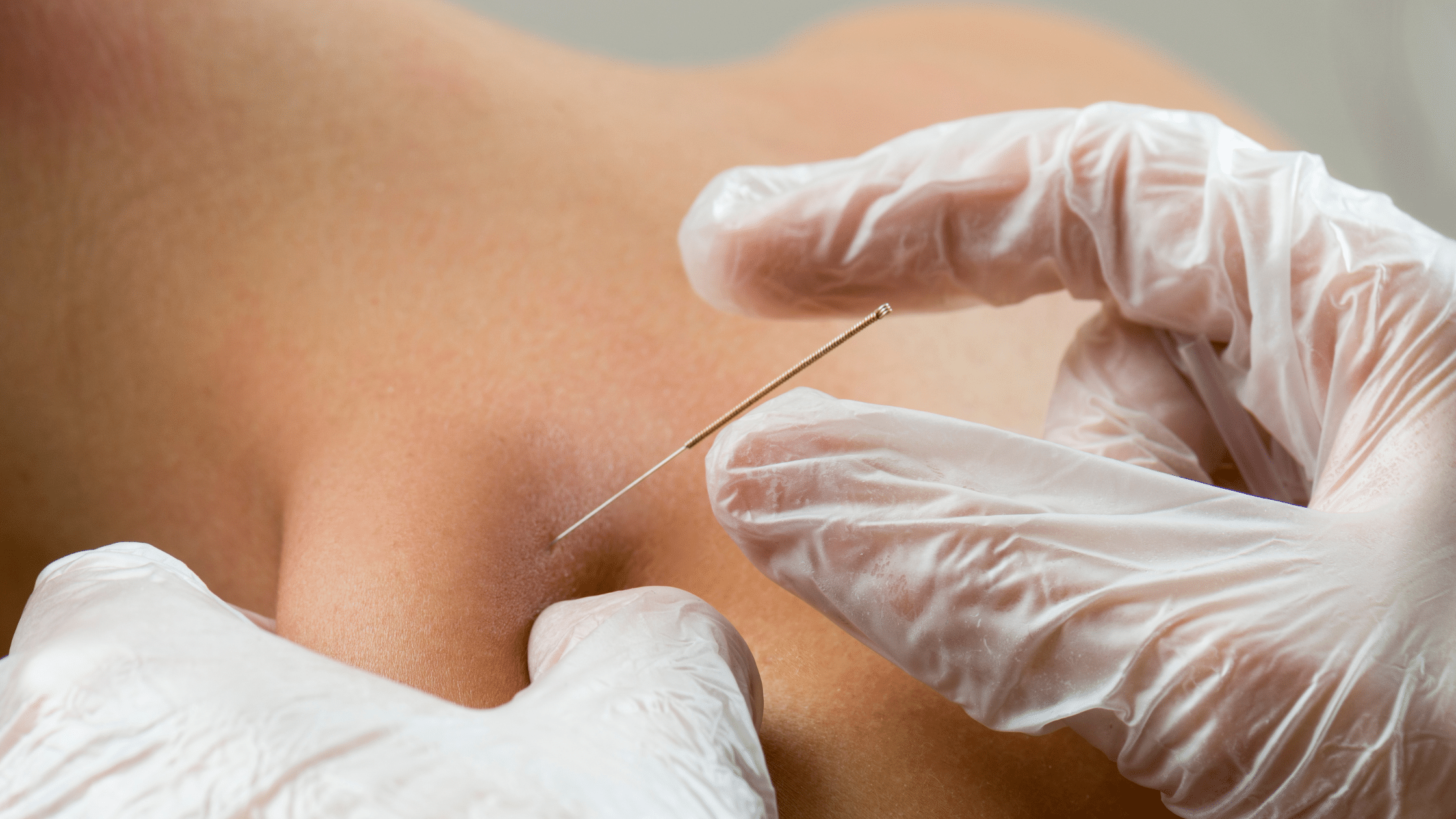
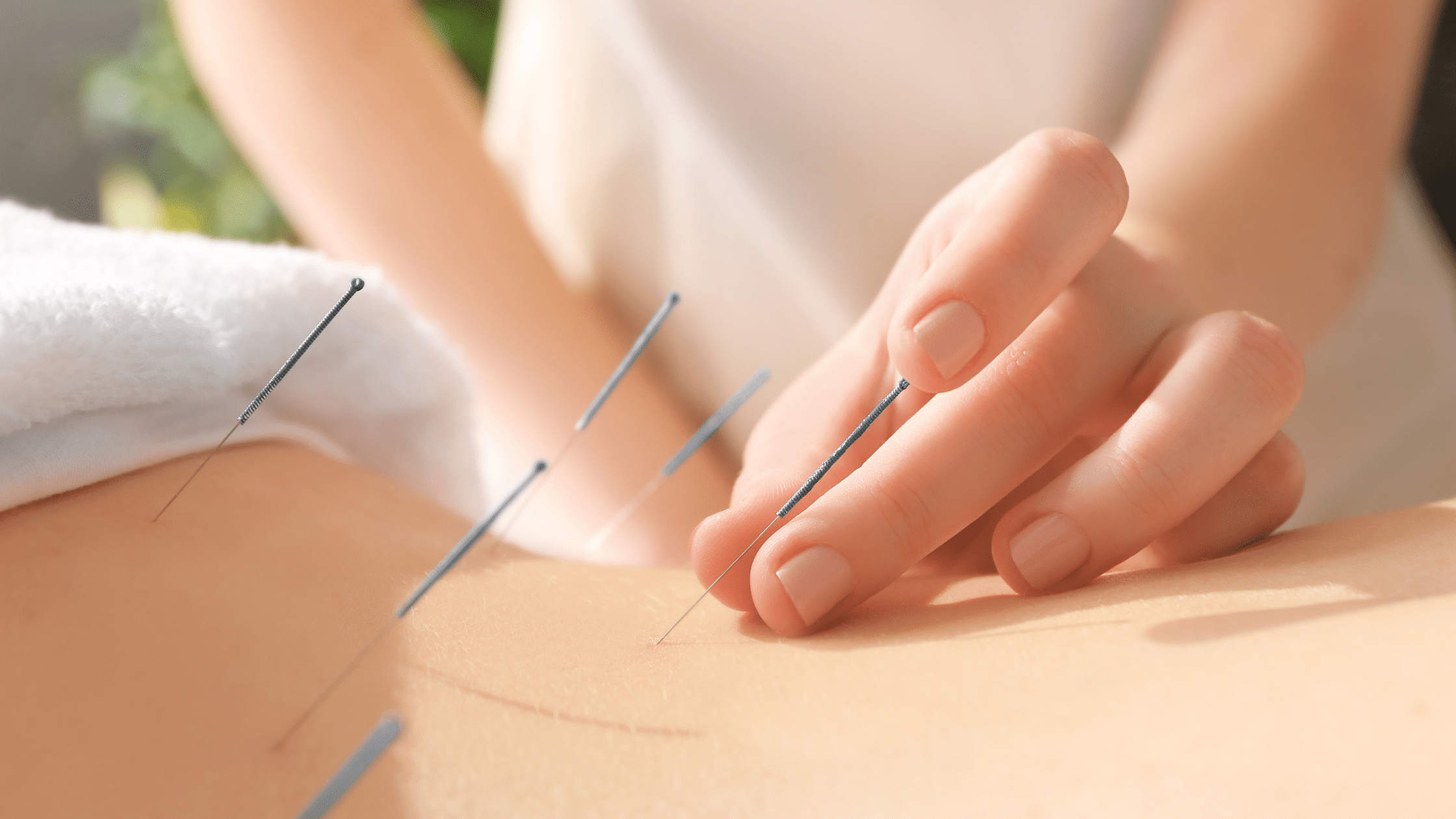
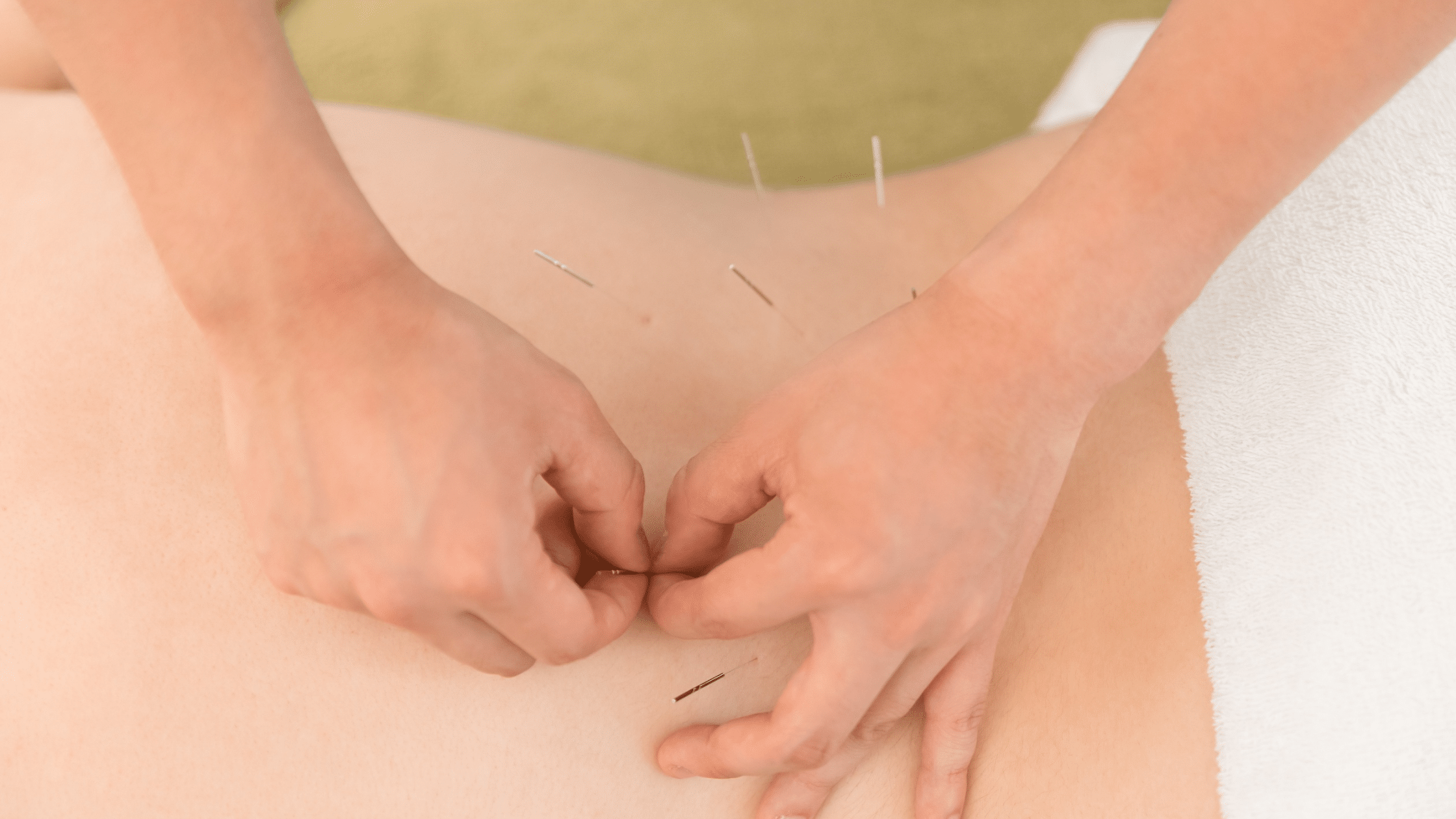
Dry needling is a procedural treatment that uses thin, filiform needles inserted directly into myofascial trigger points. These are hyper-irritable spots within a muscle where the fibers have contracted and will not release on their own. Unlike injection therapies, no substance is delivered. The needle itself is the instrument.
When the needle reaches the trigger point, it provokes what’s known as a local twitch response, a brief, involuntary contraction of the muscle fiber. That twitch response is clinically significant because it signals that the contracted sarcomeres at the trigger point have been mechanically disrupted. Once that contraction releases, circulation returns to the area, and the pain-sustaining cycle that the trigger point was maintaining begins to break down.
Our dry needling service at Dr. Barber’s Clinic targets the motor nerve endpoints embedded within the muscle, the exact anatomical sites where dysfunction originates. This is a precise, point-specific, anatomy-driven procedure, not a generalized treatment applied broadly across the muscle belly.
It’s also worth clarifying what dry needling is not. It is not a variation of traditional acupuncture based on energy pathways or meridian theory. Dry needling is grounded entirely in Western neuroanatomy and musculoskeletal science. Needle placement is determined by documented trigger point maps and motor nerve locations.
Which Conditions Respond Best to Dry Needling?
Chronic muscle pain rarely comes from a single source, and our approach to chronic pain treatment reflects that. Several specific presentations consistently respond well to dry needling.
Chronic neck and shoulder tension is one of the most common conditions we treat. The upper trapezius, levator scapulae, and infraspinatus are frequent trigger point sites that refer pain into the neck, base of the skull, and shoulder. Patients managing this with massage or over-the-counter medication often find that those approaches stop working over time because they don’t address the trigger point directly.
Lower back pain driven by paraspinal muscle dysfunction is another strong indicator for dry needling. The quadratus lumborum and multifidus are deep muscles that rarely respond to surface-level treatments. When trigger points develop in these muscles, they can generate radiating pain patterns that mimic disc problems or nerve root involvement. You can read more about how we approach this specifically on our back pain treatment page.
IT band and hip flexor tightness in active patients and runners frequently involves trigger points in the tensor fasciae latae and surrounding hip musculature, contributing to lateral knee pain and restricted range of motion.
Repetitive strain and overuse injuries in the forearms, wrists, and shoulders develop trigger point activity in muscles like the flexor carpi radialis and the rotator cuff group, where sustained loading eventually creates focal areas of contracture and dysfunction.
Post-injury muscle guarding is a pattern where the body defensively contracts surrounding musculature after an injury, and that guarding persists long after the original injury has resolved. Dry needling interrupts this cycle at the tissue level, where it’s actually being maintained.
What Happens Inside the Muscle During Treatment?
The physiological changes that occur during and after dry needling are well-documented in the musculoskeletal literature. When the needle provokes a local twitch response, the contracted muscle fibers at the trigger point release. This mechanical release restores normal sarcomere length and allows blood flow to return to tissue that was previously ischemic, meaning starved of adequate circulation.
With repeated sessions, the peripheral pain receptors within the muscle become less sensitized. Persistent trigger points sustain their activity through a feedback loop involving ischemia, chemical irritation, and continued nociceptor activation. Breaking that loop with targeted needling reduces the local concentration of pro-inflammatory mediators, including substance P and bradykinin, that accumulate in the trigger point zone and perpetuate pain signaling.
Research published in the Journal of Orthopaedic & Sports Physical Therapy has documented significant reductions in pain intensity and pressure pain threshold following dry needling in patients with chronic musculoskeletal pain. The evidence base is particularly strong for upper trapezius trigger points and lower back presentations.
The effect is also cumulative. Each session builds on the last. The muscle gradually regains normal resting tone, full range of motion, and reduced pain sensitivity over the course of a structured treatment plan. Most patients don’t walk out of the first session pain-free. They walk out having disrupted a neuromuscular pattern their body has been stuck in, sometimes for months or years.
This depends on whether the pain is acute or chronic, how many trigger points are involved, and how long the dysfunction has been present. As a pain specialist on the Upper West Side, Dr. Jordan Barber structures treatment plans around measurable functional improvement, not an arbitrary session count.
For acute muscle pain following a recent injury or sudden onset, meaningful improvement often appears within 2 to 4 sessions. For chronic pain that has been present for months or longer, a structured plan of 6 to 10 sessions with defined reassessment points is a more realistic starting framework.
Session intervals matter as much as session count. Muscles require adequate recovery time between treatments, particularly early in the treatment course. Most patients begin on a weekly schedule, with frequency adjusted based on how their tissue is responding and what functional benchmarks are being hit.
Progress at our clinic is measured by functional outcomes: improved range of motion, return to exercise, reduced medication reliance, and better sleep, not solely by subjective pain reports after each session.
Is Dry Needling Safe, and What Should You Expect?
When performed by a trained and qualified medical practitioner, dry needling carries a very low risk profile. Mild post-treatment soreness is the most common experience, and most patients describe it as similar to the muscle fatigue felt after an intense workout. This soreness typically resolves within 24 to 48 hours.
Temporary local bruising can occur, particularly in highly vascular areas or in patients with more sensitive tissue. This is minor and self-resolving.
Serious adverse events are rare when anatomical knowledge is guiding needle depth and placement. At Dr. Barber’s Clinic, every needle placement is directed by clinical anatomy, precise assessment of tissue depth, and an understanding of the neurovascular structures in the area.
Dry needling is not appropriate for patients on blood-thinning medication without prior medical clearance, patients with active infection at the treatment site, or those for whom the needle response would be clinically contraindicated. Dr. Jordan Barber conducts a thorough intake assessment with every new patient to determine suitability and structure the right protocol before any treatment begins.
Conclusion
Chronic muscle pain doesn’t resolve on its own when the underlying trigger point pathology is still active. Dry needling on the Upper West Side, NYC addresses that pathology directly, at the level of the contracted muscle fiber and the sensitized nerve ending, rather than working around it. For patients who have tried other treatments and remained stuck, it offers a clinically sound, anatomy-first path toward lasting pain reduction.
At Dr. Barber’s Clinic
Dr. Jordan Barber is a medical practitioner specializing in procedural pain treatment at his Upper West Side clinic. We offer dry needling, neuro-functional acupuncture, electro-acupuncture, and pelvic floor dry needling for a wide range of musculoskeletal and neurological conditions. Our approach is anatomy-first, evidence-based, and built around measurable clinical outcomes, not symptom management for its own sake.
No. While both procedures use filiform needles, dry needling is a distinct technique grounded in Western musculoskeletal anatomy. Needle placement is based on trigger point mapping and motor nerve anatomy, not acupuncture meridians. At our clinic, dry needling is applied as a medical intervention targeting specific neuromuscular dysfunction.
How long does a dry needling session last?
A typical session at Dr. Barber’s Clinic runs between 30 and 60 minutes, depending on the number of treatment sites and the complexity of the case. The initial visit includes a detailed clinical assessment before any treatment is performed.
Does dry needling hurt?
Most patients feel a brief, sharp sensation as the needle reaches the trigger point, followed by the local twitch response, which can feel like a muscle cramp or a sudden deep pressure. Post-treatment soreness is common and typically resolves within 24 to 48 hours. The majority of patients find the procedure very tolerable.
Can dry needling help with chronic back pain?
Yes. Lower back pain is one of the presentations where dry needling produces some of its strongest clinical results, particularly when paraspinal trigger points in the quadratus lumborum, multifidus, or erector spinae muscles are contributing to the pain pattern.
How do I find a qualified dry needling provider in NYC?
Look for a practitioner with formal training in musculoskeletal anatomy, trigger point assessment, and clinical needle technique, not just a general certification. Dr. Jordan Barber is a medical practitioner who performs dry needling as a core procedural service at his Upper West Side clinic, with a clinical framework grounded in anatomy and functional outcomes.
Pelvic pain often stems from identifiable muscle and nerve dysfunction, not a mystery that needs to be managed indefinitely. Patients searching for pelvic floor acupuncture NYC are usually looking for…
Pelvic floor symptoms have a way of disrupting everything. Pressure that builds as the day goes on, pain with sitting, urgency that interrupts your routine, and discomfort during ordinary activity…
Experiencing jaw pain, facial tightness, clicking, or headaches can quickly interfere with basic daily activities like eating, speaking, and even sleeping. Many people suffering from these symptoms don’t realize that…
Ready when you are.
Limited spots each week — book now to reserve yours.
Evidence-based acupuncture and dry needling on the Upper West Side. From chronic pain and headaches to pelvic floor dysfunction, Dr. Jordan Barber pairs the highest level of training with care that actually listens.
This site does not provide medical advice. Always consult a qualified healthcare professional before making changes to your health. Read our full disclaimer.