How Pelvic Floor Dry Needling Targets the Root of Pelvic Floor Dysfunction on the Upper West Side
Reviewed by Dr. Jordan Barber, DACM, L.Ac.
June 15, 2026
7 min read
Pelvic floor symptoms have a way of disrupting everything. Pressure that builds as the day goes on, pain with sitting, urgency that interrupts your routine, and discomfort during ordinary activity all chip away at how you live. People often try to manage these symptoms broadly and hope they ease, yet relief tends to stay out of reach until the actual cause gets treated. Effective care for pelvic floor dysfunction on the Upper West Side starts where the problem lives, in the muscles and nerves of the pelvic floor.
This is a procedural, muscle-and-nerve-based approach from the outset. Understanding what the pelvic floor does, and what goes wrong when it stops working properly, makes it clear why targeting the muscle directly produces the change that broad management cannot. The good news is that overactive muscles respond well to treatment aimed precisely at them, even when the symptoms have lingered for a long time.
What Pelvic Floor Dysfunction Actually Involves
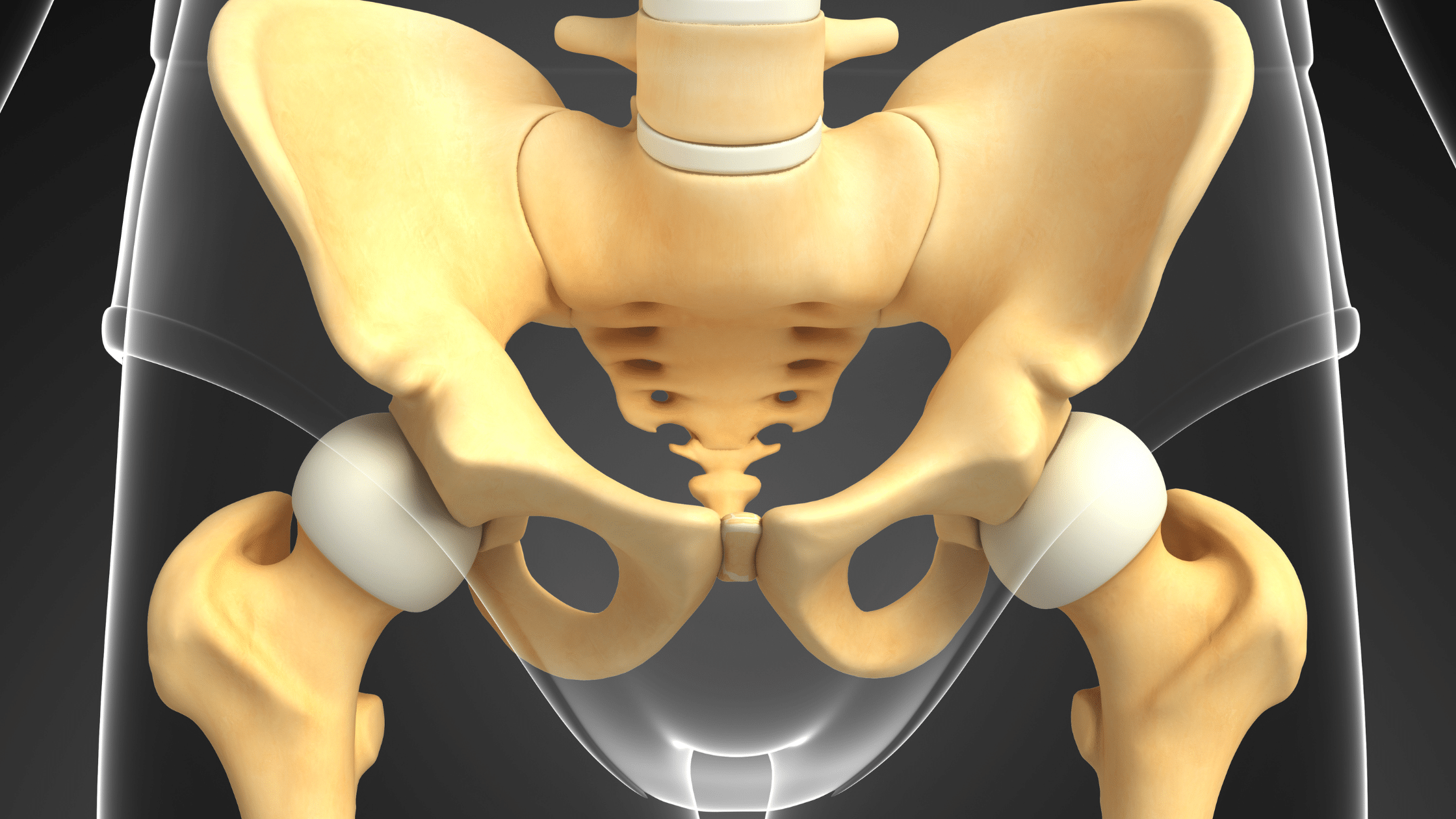
The pelvic floor is a layered group of muscles that sits like a sling at the base of the pelvis. These muscles support the organs above them, contribute to continence, and play a quiet role in stability and movement. They are meant to contract and release in a smooth, coordinated rhythm. When that rhythm breaks down, symptoms follow.
Much of the trouble comes from muscles that stay too tight rather than too weak. A non-relaxing pelvic floor holds tension it cannot let go of, and muscle hypertonia keeps the fibers gripped tight around the clock. Trigger points form inside these overactive muscles and refer pain through the pelvis, the perineum, and sometimes down toward the hips. The nerves that travel through the region add to the picture, since muscles that stay clenched irritate nearby nerves and keep the symptoms going. The result is a pattern of pelvic floor clenching and difficulty relaxing that does not resolve on its own.
Why the Muscular Source Gets Overlooked
Pelvic floor symptoms often get managed at the surface. People address the urgency, the pressure, or the pain as separate complaints without anyone identifying which muscles created them. That approach can take the edge off, but it leaves the source untouched, so the symptoms keep returning.
The more useful question is which specific muscles are driving the dysfunction. Once you locate the overactive muscles and the trigger points inside them, treatment has a clear target. That shift, from chasing symptoms to treating the muscular source, is what makes lasting change possible.
There is also a timing factor worth noting. The longer overactive muscles stay clenched, the more the surrounding nerves adapt to a constant state of irritation, and the more the brain learns to expect pain from the region. Treating the muscle earlier interrupts that loop before it settles into a deeper pattern. This does not mean long-standing symptoms cannot improve, since these muscles respond to targeted treatment even after years, but it does explain why addressing the source directly tends to work better than waiting for symptoms to pass.
How Pelvic Floor Dry Needling Works
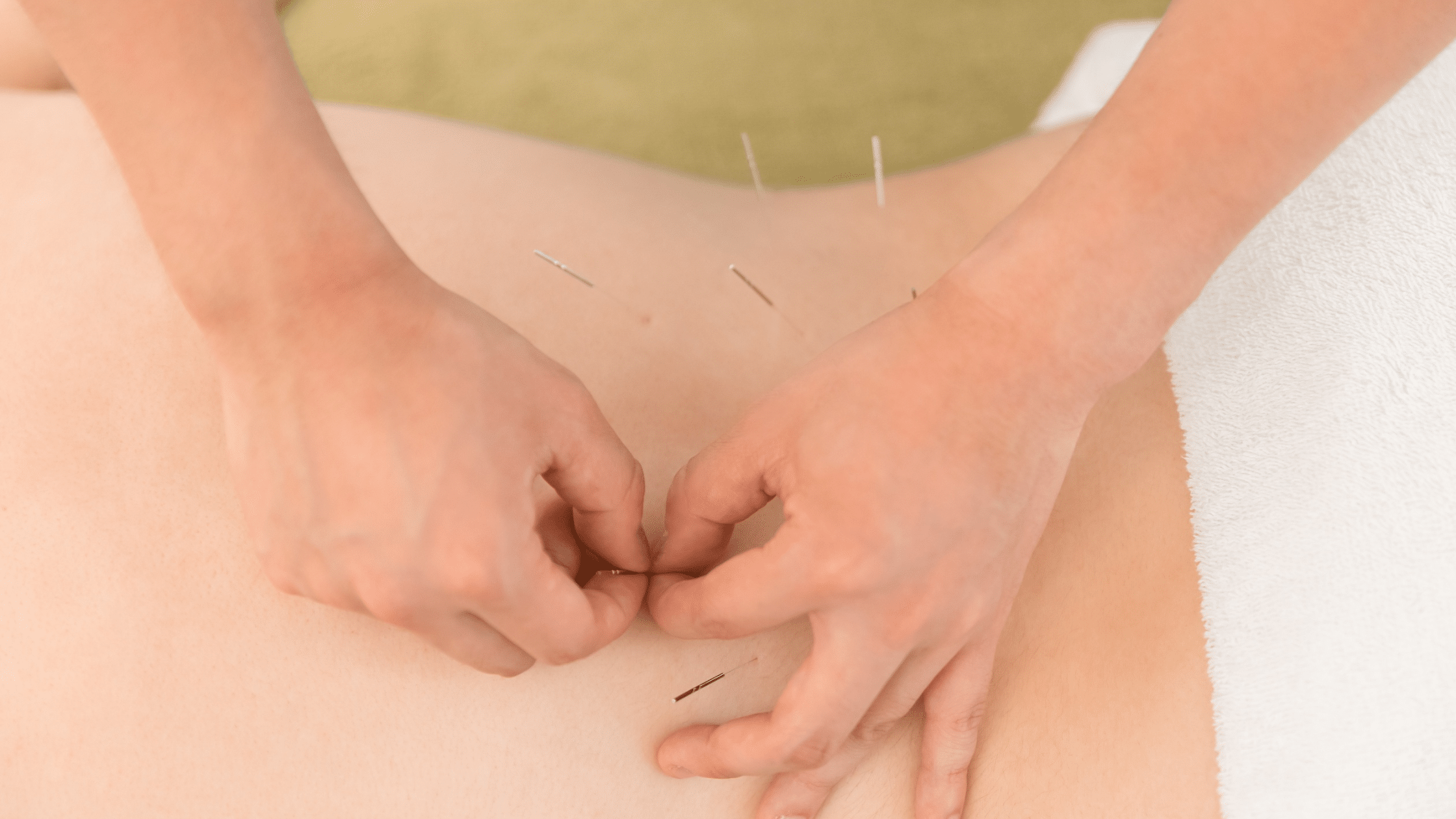
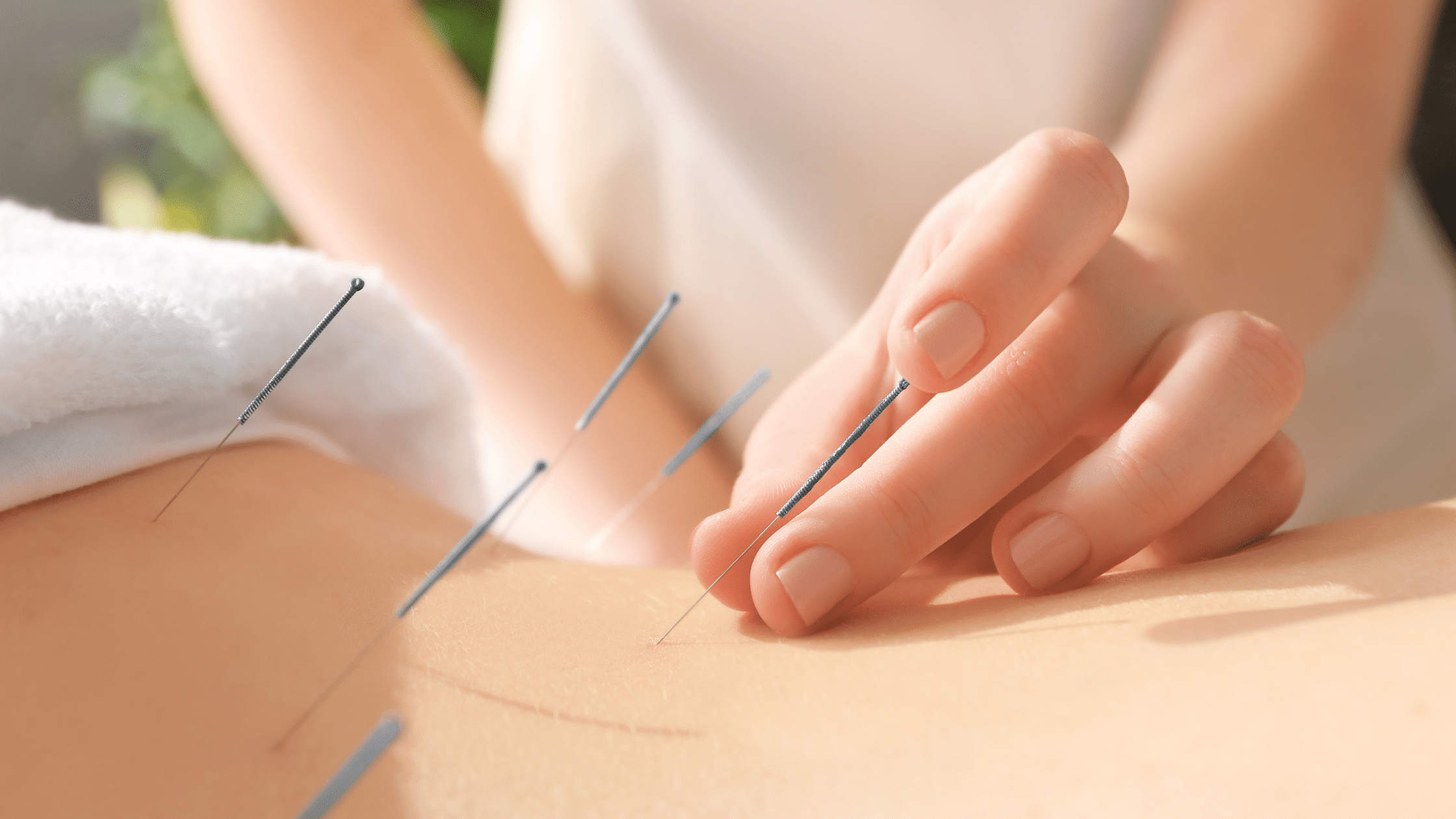
Pelvic Floor Dry Needling places a fine needle into the overactive muscles of the pelvic floor to release the trigger points holding them tight. When an overworked muscle finally lets go, the pressure it was creating eases, the referred pain settles, and the muscle can return to its normal contract-and-release pattern. For symptoms with a clear nerve component, neuro-functional acupuncture addresses the irritated nerves contributing to the problem.
The goal throughout is concrete. Less pain, better muscle function, and improved comfort during the activities that the dysfunction had made difficult. This is not a general treatment applied without aim. It targets the precise muscles and nerves responsible for your symptoms, which is what defines a clinical approach to the pelvic floor.
It is worth understanding why a needle reaches these muscles more effectively than other approaches. The pelvic floor muscles sit deep and are difficult to release through surface pressure or stretching alone. A fine needle reaches the trigger point directly, which is what allows a stubborn, overactive muscle to let go when other methods have not moved it. That direct access is the core advantage of a procedural approach to these symptoms.
Physical therapy is its own discipline, and a skilled pelvic floor physical therapist does valuable work on movement, coordination, and strength. Dr. Barber does not replace that role. He supports it with procedural medicine, using dry needling to release the overactive muscles that often limit progress in rehabilitation.
Many patients do best when the two work together. The procedural treatment releases the tight, trigger-point-laden muscles, and the rehabilitation work builds on the improved movement that follows. Each approach covers what the other cannot.
Everyday Signs the Problem Is Muscular
Pelvic floor dysfunction shows up in ways that are easy to misread. Pain that worsens the longer you sit, a feeling of pressure or heaviness low in the pelvis, and a sense that the muscles down there simply will not relax all point toward overactive muscle rather than something structural. People often cycle through tests that come back normal, which adds to the frustration, because the muscles themselves are rarely the first thing anyone examines.
Symptoms can also extend beyond the pelvis. Tight pelvic floor muscles refer pain toward the hips, the lower back, and the inner thighs, and they can contribute to urinary urgency or discomfort with everyday movement. When the picture includes several of these symptoms at once, a muscular source becomes far more likely, and that is exactly what a procedural approach is built to treat.
Recognizing the muscular pattern is what redirects care toward something that works. Instead of treating each symptom as its own problem, the focus shifts to the overactive muscles producing all of them. That single change in framing often explains why earlier attempts fell short and why a targeted approach succeeds where they did not.
What a First Visit Tends to Involve
A thorough first visit starts with the full history, the symptoms, what makes them better or worse, and how they affect daily life. From there, the assessment focuses on the muscles themselves, identifying which are overactive, where the trigger points sit, and how they connect to the symptoms you came in with. This is the step that often gets skipped elsewhere, and it is the step that makes targeted treatment possible.
From that assessment comes a clear plan. The treatment targets the specific muscles driving the dysfunction rather than applying a broad routine, and the number of sessions depends on how long the pattern has been in place. Patients usually leave the first visit understanding what is actually causing their symptoms, which is often the first time anyone has connected the muscle to the problem in front of them.
Wrapping Up
Pelvic floor symptoms are not relieved by managing them at arm’s length. They ease when the overactive muscles and irritated nerves behind them get treated directly. Pelvic Floor Dry Needling gives patients with pelvic floor dysfunction on the Upper West Side a precise, procedural option that works at the true source of the problem rather than around it.
About Dr. Jordan Barber
Dr. Jordan Barber is a pelvic floor specialist on the Upper West Side who treats pelvic floor dysfunction with dry needling and neuro-functional acupuncture. His care is procedural and evidence-based, focused on the muscles and nerves generating your symptoms and on measurable improvement in pain and function. If pelvic floor symptoms have persisted despite other measures, book a free consultation to discuss a targeted plan.
Frequently Asked Questions
Is Pelvic Floor Dry Needling the same as pelvic floor physical therapy?
No. They are distinct disciplines. Pelvic Floor Dry Needling is a procedural treatment that uses a fine needle to release overactive muscles and trigger points. Physical therapy focuses on rehabilitation and coordination. Dr. Barber supports physical therapy with procedural medicine rather than replacing it.
What symptoms can this approach help with?
It can help with symptoms tied to overactive pelvic floor muscles, including pelvic pressure, pain with sitting, muscle clenching, and discomfort that traces back to tight muscles and irritated nerves in the region.
Is the treatment painful?
You may feel a brief ache or twitch as the needle reaches a tight band, which usually means the muscle is releasing. Performed by a trained practitioner with a clear understanding of the anatomy, the treatment is well tolerated.
Can I do this alongside physical therapy?
Yes, and many patients benefit from combining the two. Dry needling releases the overactive muscles that can stall progress, while physical therapy builds strength and coordination on top of that improved movement.
Pelvic pain often stems from identifiable muscle and nerve dysfunction, not a mystery that needs to be managed indefinitely. Patients searching for pelvic floor acupuncture NYC are usually looking for…
Male pelvic floor dysfunction is a musculoskeletal and neurological condition, though it is frequently misunderstood or misdiagnosed as something else entirely. Men who search for male pelvic floor dysfunction acupuncture…
Searching for pudendal neuralgia treatment NYC often means you’re dealing with persistent pelvic, genital, or rectal pain—especially pain with sitting—and you need a clear, step-by-step plan. In New York City…
Ready when you are.
Limited spots each week — book now to reserve yours.
Evidence-based acupuncture and dry needling on the Upper West Side. From chronic pain and headaches to pelvic floor dysfunction, Dr. Jordan Barber pairs the highest level of training with care that actually listens.
This site does not provide medical advice. Always consult a qualified healthcare professional before making changes to your health. Read our full disclaimer.