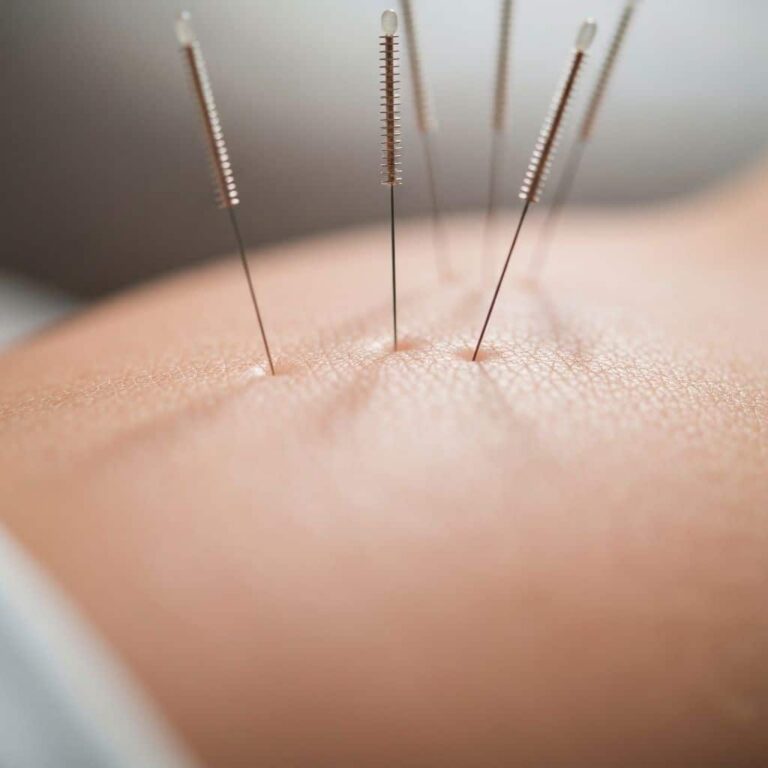
Acupuncture in this clinical setting is a procedural technique used to stimulate specific anatomical points associated with nerves, muscles, and connective tissue. Patients searching for acupuncture UWS often benefit from understanding how this treatment works from a medical perspective rather than a general or non-clinical explanation.
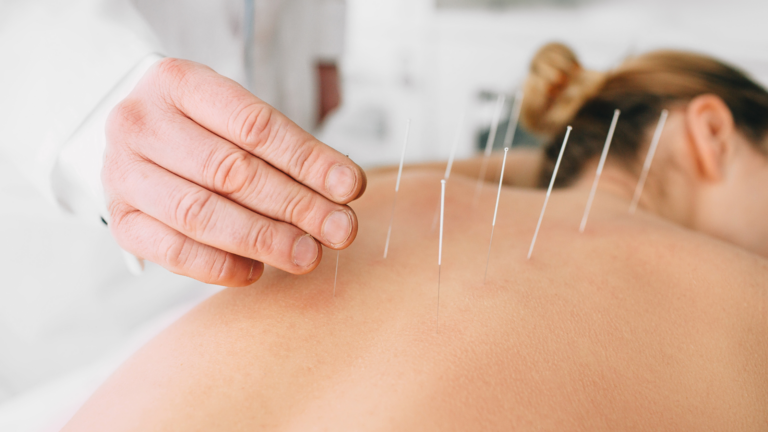
Thin, sterile needles are inserted into targeted areas to stimulate sensory nerves and influence how the body processes pain. This stimulation can affect central and peripheral nervous system activity, which may reduce pain signals and improve muscle activation patterns. The treatment is often used to address conditions such as:
At the clinic of Jordan Barber, acupuncture is applied with precision, focusing on functional outcomes. Each treatment session is structured to address the root cause of symptoms rather than only temporary relief. Clinical decision-making is based on patient history, physical assessment, and observed movement limitations.
Patients may also benefit from combined procedural techniques such as dry needling, which targets myofascial trigger points more directly. These approaches are selected based on the patient’s specific condition and treatment goals.
Patients seeking acupuncture at UWS often require more than a single treatment approach. At this clinic, services are structured to address different aspects of pain, muscle dysfunction, and movement limitations through procedural medicine.
This method focuses on stimulating specific nerve pathways to reduce pain and improve muscle coordination. Treatment is based on anatomical accuracy and clinical assessment.
Dry needling targets tight muscle bands and trigger points. This technique helps reduce muscle tension and improve movement by directly addressing dysfunctional tissue.
Pelvic floor conditions are treated using targeted dry needling techniques. This approach supports patients experiencing pelvic pain or dysfunction by addressing underlying muscle activity. Physical therapy remains a separate discipline, and this service complements it through procedural intervention.
This treatment focuses on nerve-related pelvic conditions. It is used to improve neuromuscular control and reduce pain in the pelvic region through precise needle placement.
Each patient undergoes a detailed evaluation to determine the source of pain and functional limitations. This allows for a structured treatment plan tailored to measurable outcomes.
Care plans are designed to track progress over time, ensuring that treatment continues to produce functional improvements and symptom reduction.
At Jordan Barber’s clinic, every service is designed with a clinical focus. The goal is to improve movement, reduce discomfort, and support long-term functional outcomes.
Choosing the right provider for acupuncture at UWS is critical when addressing chronic pain and functional limitations. Patients often seek care that is grounded in medical understanding rather than generalized treatment approaches.
Jordan Barber is positioned as a practitioner specializing in procedural pain treatment. His approach focuses on:
Patients appreciate the structured and professional environment, where treatment decisions are based on clinical findings rather than assumptions. Each session is guided by a clear understanding of musculoskeletal and neurological function.
Rather than focusing on temporary symptom relief, the clinic emphasizes long-term improvement. This includes addressing contributing factors such as movement patterns, muscle imbalances, and nerve sensitivity.
Another key factor is clear communication. Patients are informed about their condition, treatment approach, and expected outcomes. This allows individuals to make informed decisions about their care and understand how each procedure contributes to improvement.
By maintaining a clinical focus, Jordan Barber provides patients with a reliable and structured approach to managing pain and improving function.
Patients seeking acupuncture at UWS often aim for long-term improvement rather than short-term relief. Clinical treatment focuses on reducing pain while restoring proper movement and muscle function. By targeting specific neuromuscular pathways, treatment supports more efficient coordination between muscles and the nervous system.
Repeated sessions may help:
Reduce chronic pain intensity
Improve joint mobility
Restore normal muscle activation.
Decrease nerve sensitivity
Support better posture and movement patterns.
Functional recovery is an important part of treatment. When muscles and nerves function correctly, patients may experience improvements in daily activities such as walking, lifting, or sitting for extended periods. These improvements can also reduce strain on surrounding joints and tissues.
Treatment plans are adjusted based on progress. This ensures that care remains effective and aligned with patient goals. Some patients may require short-term intervention, while others benefit from ongoing treatment to maintain results.
At the clinic led by Jordan Barber, the focus remains on measurable improvement. By addressing both symptoms and underlying causes, patients can achieve better long-term outcomes and improved quality of life while supporting consistent physical performance over time.
Acupuncture is a procedure that uses thin needles to stimulate nerves and muscles, helping reduce pain and improve function.
Clinical acupuncture may help reduce chronic pain by influencing nerve activity and improving muscle function.
This approach focuses on evidence-based, anatomical treatment rather than non-clinical or generalized methods.
Common conditions include back pain, neck pain, muscle tightness, joint issues, and nerve-related discomfort.
The number of sessions varies depending on the condition, severity, and patient response to treatment.






118 West 72nd Street (between Columbus & Amsterdam Avenues), Rear of the Lobby within the W72 Wellness Suites.