
This is for problems that live in the nervous system. Nerve pain is part of that, but it's much broader. It includes a nerve that has stopped working properly, a bladder that no longer follows the normal signal, a brain and spinal cord that have learned to amplify pain, and conditions like tinnitus, restless legs and functional neurological disorder, where the issue is how the central nervous system is processing information.
Every plan has one of three aims:
If you're looking for acupuncture for general wellness, I'm not the right practice for that. Everything here starts with a neurological assessment and has a specific target.

The bladder runs on nerve signals from the sacral spinal cord, the pelvic floor and the tibial nerve in the leg. Urgency, frequency and leaking often come from those signals, not just the bladder itself. My peer-reviewed research looks at exactly this link between pelvic floor muscles, nerves and bladder symptoms.
Standard PTNS stimulates one of those pathways, the tibial nerve. I include tibial nerve stimulation and also work at the sacral nerve roots and pelvic nerves that control the bladder, so the whole circuit is addressed.
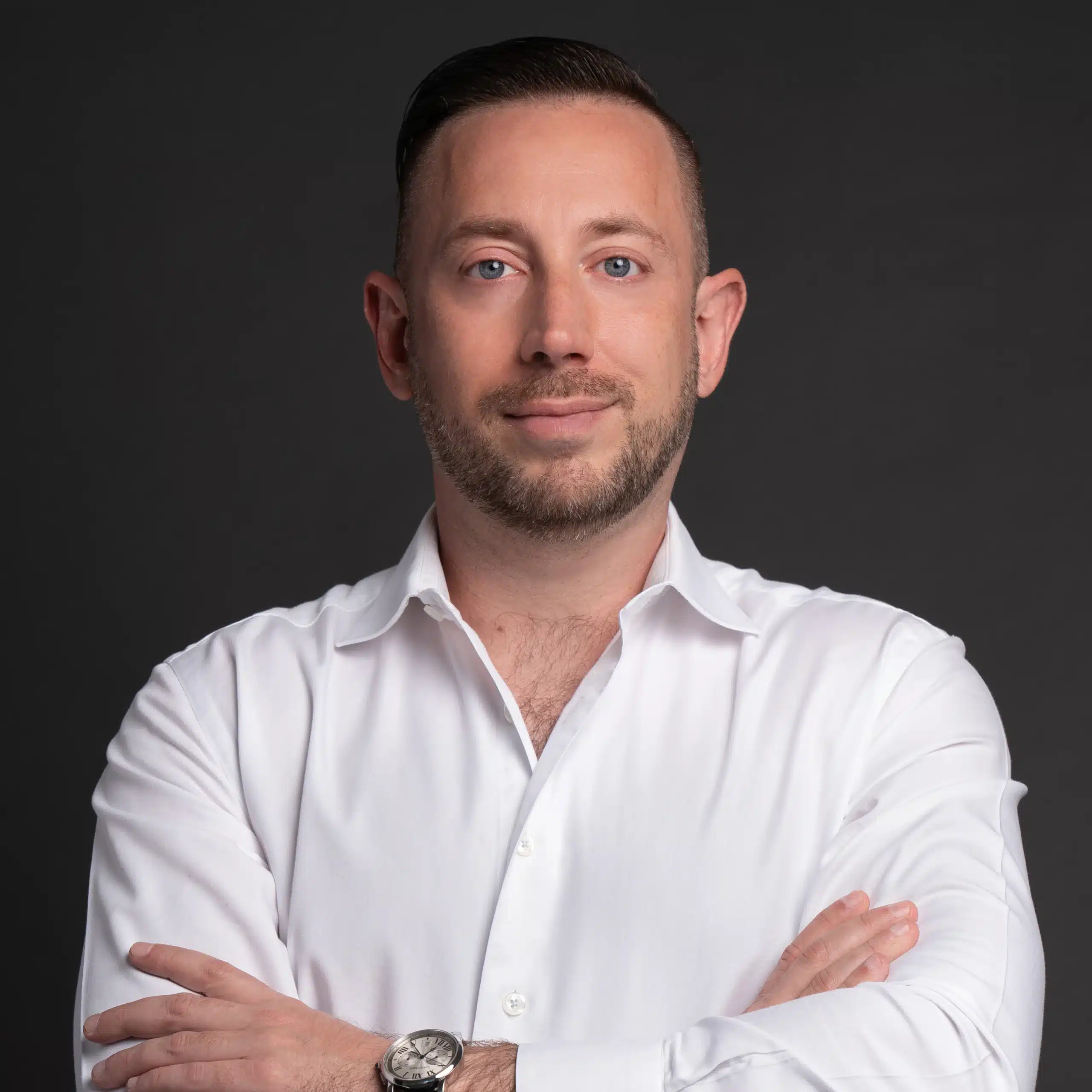
Treating the nervous system takes a precise understanding of neuroanatomy and of how electrical stimulation changes the way nerves and the brain signal.
Neuropuncture is a neuroscience-based system of electroacupuncture designed to neuromodulate, rehabilitate and regulate the nervous system, from peripheral nerves to the brain. It uses specific electrical settings to influence nerve signaling and the body's own neurochemistry. I'm Neuropuncture trained.
We share the same starting point: look at how the brain and nervous system are working, then give them the input they need to work better. If you've been looking into functional neurology, the goals will sound familiar. The difference is the tool. I use precisely placed needles and electrical stimulation instead of spinal adjustments, which lets me target specific nerves and send strong, measured input to the brain and spinal cord.
General acupuncture is built for overall wellbeing. This is built for the nervous system: every treatment starts with a neurological assessment and targets a specific nerve, pathway or brain network, usually with electroacupuncture.
I include tibial nerve stimulation, the pathway PTNS uses, but I don't stop there. The bladder is also controlled by the sacral nerve roots and pelvic nerves, so I work on those too. Think of it as PTNS plus the rest of the circuit.
Nerve pain is at the core of what I treat: burning, shooting, electric or stabbing pain, numbness and tingling. That includes neuralgias like pudendal and trigeminal, nerve root pain and peripheral neuropathy.
Yes. Neuropuncture has a specific approach for FND, and I work alongside your neurologist. Read more about FND treatment.
Most people feel a light tapping or pulsing. I set the intensity to your comfort and check in throughout. It's widely used and well tolerated.
Usually, yes. That's why I often recommend it for older patients or anyone who doesn't do well with deep muscle work.
Yes. This is drug-free and used alongside your current medications. Any change to your prescriptions stays with your doctor.
Most plans are 2 visits a week for 6 weeks or 3 a week for 4 weeks, then tapering. Some conditions need only one visit a week, and some start with more in the first week. I'll set your plan at the first visit.
I'm out of network. You pay at the visit and my office files the claim, with any reimbursement going to you. I can check your benefits for free before your first visit, and HSA and FSA are accepted. Medicare and Medicaid aren't accepted, though some Medicare Advantage plans reimburse. Insurance details
118 West 72nd Street on the Upper West Side of Manhattan, with house calls available by arrangement.
House calls and after-hours visits are available by arrangement.
Private Access & House Calls →Ready when you are.
Limited spots each week — book now to reserve yours.

118 W. 72nd St, Rear Lobby, New York, NY 10023
Evidence-based acupuncture and dry needling on the Upper West Side. From chronic pain and headaches to pelvic floor dysfunction, Dr. Jordan Barber pairs the highest level of training with care that actually listens.
Member Clinic
An independent practice and member of New York Acupuncture Group, sharing clinical space and operations in Manhattan.
This site does not provide medical advice. Always consult a qualified healthcare professional before making changes to your health. Read our full disclaimer.