Pudendal Neuralgia: Dry Needling as Part of the Solution
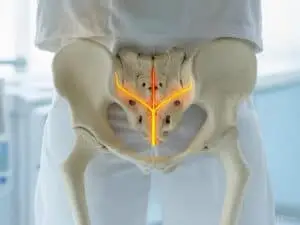
Pudendal neuralgia is a chronic and often life-altering condition involving irritation or entrapment of the pudendal nerve, which supplies sensation and motor control to the pelvic floor, genitals, anus, and perineum. It frequently causes sharp, burning, or electric pain—commonly worsened by sitting and relieved by standing or lying down. Many affected individuals also report difficulties with bowel, bladder, or sexual function.
Supporting Patients with Pelvic Pain
In my clinical practice, I regularly support patients with pelvic floor-related pain syndromes, including pudendal neuralgia. Pelvic floor dry needling can play an important role in reducing symptoms and improving function. However, this is a complex condition that typically calls for an integrative, multidisciplinary approach involving physical therapy, medical collaboration, and nerve-focused strategies.
Understanding Pudendal Neuralgia
The pudendal nerve originates from sacral nerve roots (S2–S4) and travels through anatomical structures such as the sacrospinous and sacrotuberous ligaments and Alcock’s canal before reaching the perineum. Irritation or compression of this nerve may result from prolonged pressure (e.g., cycling), surgical scarring, trauma, or muscular hypertonicity.
Common symptoms include:
Burning, stabbing, or aching pain in the perineum, rectum, vulva, penis, or scrotum
Pain worsens when sitting, relieved when standing or lying down
Pain during or after sexual activity (dyspareunia)
Urinary or rectal urgency in the absence of infection
Sensation of a foreign object in the rectum or vagina (“golf ball” sensation)
Despite being uncommon, pudendal neuralgia is often misdiagnosed as vulvodynia, chronic prostatitis, or psychological pain—contributing to delayed or ineffective treatment.
Diagnosis is primarily clinical and requires ruling out other conditions. The Nantes Criteria provide a standardized framework for identifying pudendal neuralgia based on symptom presentation, pain distribution, and response to certain movements or positions.¹
Management typically includes:
Pelvic floor physical therapy
Dry needling to target myofascial and neuromuscular dysfunction
Postural retraining and biomechanical corrections
Nerve blocks or peripheral nerve stimulation
Collaborative care for emotional and behavioral support
The Role of Dry Needling
Many cases of pudendal neuralgia involve hypertonic pelvic floor muscles—such as the obturator internus, levator ani, or coccygeus—that may mechanically irritate the pudendal nerve. Dry needling these muscles can help:
Recent clinical trials have shown that dry needling effectively reduces pain and central sensitization in individuals with chronic pelvic pain, including pudendal neuralgia.² This supports its inclusion in integrative treatment plans, especially when combined with physical therapy and nerve modulation techniques.
Multidisciplinary Care Is Essential
For long-term improvement, pudendal neuralgia must be addressed through a collaborative lens. A multidisciplinary strategy—combining physical therapy, dry needling, neuromodulation, and medical or surgical input—is increasingly supported by clinical literature.³⁴ Integrating these tools leads to more sustainable symptom relief than relying on a single intervention.
My Approach to Pudendal Neuralgia
As a provider specializing in pelvic floor dry needling and integrative pain care, I offer a holistic and trauma-informed approach. In my clinic, you can expect:
Collaborative care with pelvic PTs, urologists, gynecologists, and pain specialists as needed
Clear communication and informed consent throughout treatment
Every person is different—and no single modality works for everyone. My goal is to integrate appropriate tools that restore function and empower you in your healing journey.
Ready to Take the Next Step?
If you’re dealing with persistent pelvic pain or suspect pudendal neuralgia, I invite you to schedule a consultation. Whether you’re newly diagnosed or searching for answers after multiple failed treatments, we’ll work together to create a personalized, respectful, and effective care plan.
Serving New York City and beyond, with a focus on integrative pelvic floor pain care.
Labat JJ, Riant T, Robert R, et al. Diagnostic criteria for pudendal neuralgia by pudendal nerve entrapment (Nantes criteria). Neurourol Urodyn. 2008;27(4):306-310. doi:10.1002/nau.20505. PubMed
Khoshbin M, Ghamkhar L, Arab AM, et al. Effect of dry needling on pain and central sensitization in women with chronic pelvic pain: a randomized controlled trial. Pain Pract. 2024. doi:10.1111/papr.13495. PubMed
Hunter C, Crescenze IM, Peters KM. Peripheral nerve stimulation for pudendal neuralgia and other pelvic pain disorders: current advances. Front Urol. 2023;3:1323444. doi:10.3389/fruro.2023.1323444. Frontiers
Neck pain is one of the most common musculoskeletal complaints among adults living and working in New York City. Long work hours, sustained screen use, commuting posture, prior injuries, and…
When you’re dealing with persistent muscle pain, tightness, or stubborn knots, finding the right treatment is key to relief. Two popular and effective options are dry needling and massage therapy.…
Pelvic floor symptoms are often described in subtle but disruptive ways. Many people report a sense of tightness, internal pressure, or persistent discomfort rather than sharp or easily localized pain.…
118 W. 72nd, Rear Lobby, Upper West Side, NY 10023 Evidence-based acupuncture and dry needling on the Upper West Side, NYC. From chronic pain, headaches, and pelvic floor dysfunction, Dr. Jordan Barber integrates the highest level of training with compassionate care to help you thrive. Disclaimer: This site does not provide medical advice. Always consult a qualified healthcare professional before making changes to your health. Read our full disclaimer
Quick Links
Got Questions?
Limited spots available each week book now to reserve yours