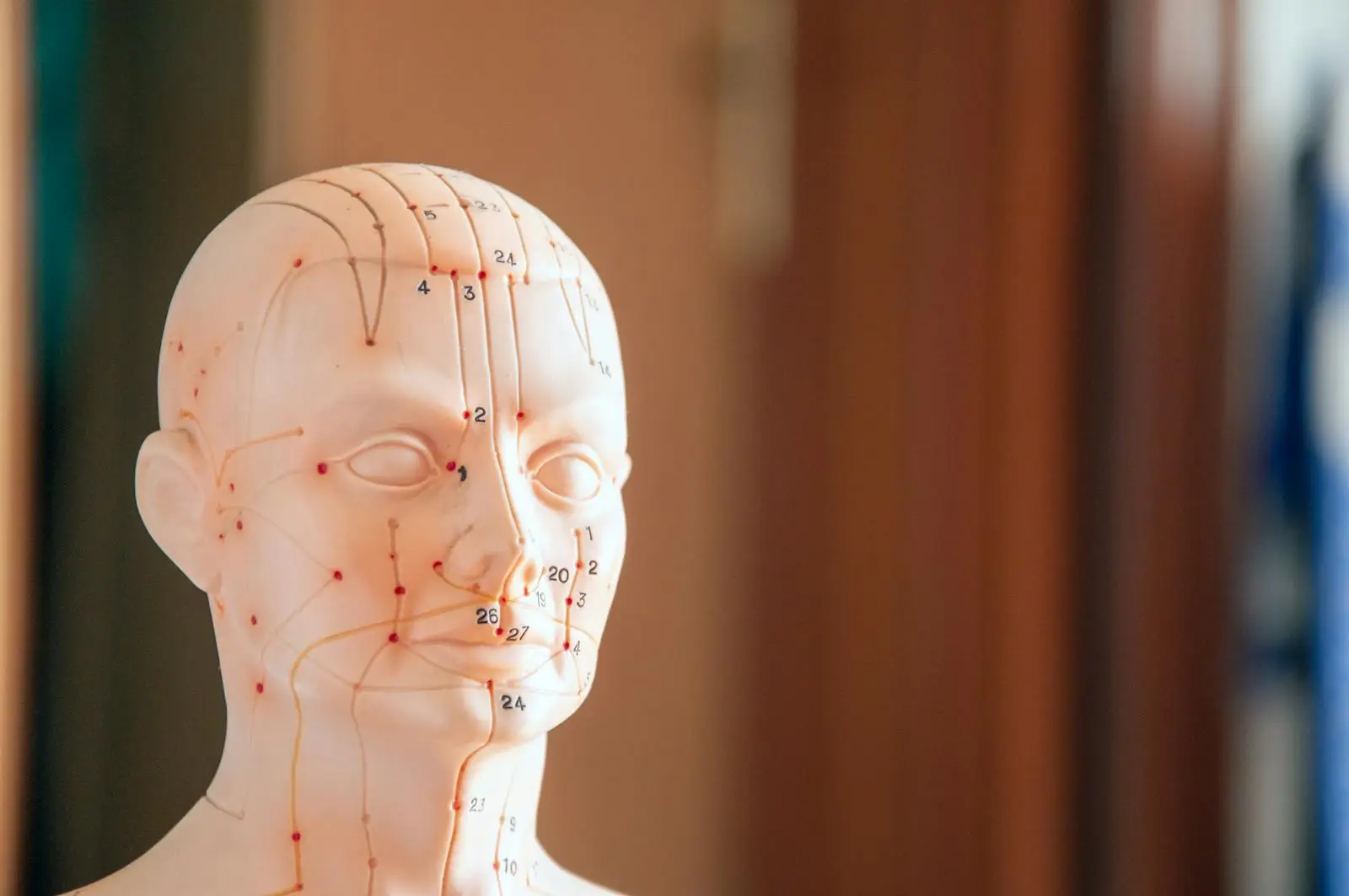
Acupuncture is a traditional Chinese medicine technique that has been used for thousands of years. It involves inserting thin needles into specific points on the body to balance energy, known as “qi” (pronounced ‘chee’). This practice is revered not only for its historical significance but also for its application in modern healthcare. Whether you’re new to acupuncture or have been receiving treatments for a while, you might wonder: how often should you do acupuncture?
In this article, we’ll explore how often you need acupuncture, how long the effects last, and what factors influence the frequency of sessions. Understanding these aspects can help you make informed decisions about integrating acupuncture into your health regimen.
Understanding Acupuncture Frequency
How Often Should You Do Acupuncture?
General Recommendations
The frequency of acupuncture sessions can vary greatly depending on several factors, including your health condition, treatment goals, and how your body responds to acupuncture. Generally, practitioners may recommend starting with sessions once or twice a week, especially for acute conditions or when you’re first starting treatment. This frequency allows your body to adjust and respond to the therapy, potentially accelerating the healing process.
As your symptoms improve, the frequency of your sessions may decrease. For chronic issues, long-term maintenance treatments may be necessary, which could mean having sessions once a month or even less frequently. It’s important to maintain open communication with your practitioner to adjust the treatment plan as your condition evolves and to ensure that you are receiving the maximum benefit from each session.
Acute vs. Chronic Conditions
For acute conditions, such as a recent injury, frequent sessions may be necessary to help manage pain and promote healing. In these cases, you might begin with two or three sessions per week and gradually reduce the frequency as you improve. This approach is designed to provide immediate relief and support the body’s natural healing processes, reducing inflammation and pain through targeted acupuncture points.
Chronic conditions, like ongoing back pain or migraines, often require a more extended treatment plan. Initially, you might have weekly sessions, transitioning to bi-weekly or monthly sessions as your symptoms stabilize. This gradual reduction in frequency helps maintain the benefits achieved during the initial intensive phase, allowing for sustained improvement over time. Monitoring your progress and adjusting the frequency is crucial to ensure that the treatment remains effective.
The duration of acupuncture effects can vary based on individual differences and the specific condition being treated. Some people may experience immediate relief after a session, while for others, it may take a few sessions to notice significant changes. The variability in response highlights the importance of tailoring acupuncture treatments to individual needs and conditions.
Immediate and Long-Term Effects
Acupuncture often provides immediate relief from symptoms such as pain and tension. However, for more substantial and lasting effects, a series of sessions is typically recommended. Over time, acupuncture can help manage chronic conditions by promoting overall balance and wellness. This holistic approach not only addresses symptoms but also aims to restore the body’s internal harmony, leading to improved health outcomes.
In some cases, individuals may find that the relief from symptoms can last several days or even weeks, depending on the condition’s nature and severity. Regular sessions can help maintain these benefits and prevent symptoms from reoccurring or worsening. The cumulative effect of acupuncture can lead to significant improvements in quality of life, making it a valuable component of a comprehensive healthcare plan.
Factors Influencing Duration
The longevity of acupuncture’s effects depends on factors such as:
Condition Severity: Severe or long-standing conditions may require more frequent sessions to maintain results. The body’s ability to sustain the benefits of acupuncture may be challenged by the chronic nature of the condition, necessitating ongoing support through regular treatments.
Lifestyle: Healthy lifestyle choices, including diet, exercise, and stress management, can enhance and prolong the benefits of acupuncture. Engaging in complementary health practices can amplify acupuncture’s effects, promoting a more balanced and resilient state of well-being.
Individual Response: Each person’s body responds differently to acupuncture, influencing how long the benefits last. Factors such as age, overall health, and genetic predispositions can affect the treatment’s efficacy and duration, underscoring the need for personalized treatment plans.
How Many Acupuncture Sessions Are Needed?
The number of acupuncture sessions needed can vary widely based on the individual’s condition and treatment goals. Here’s a general guideline for some common issues, though it’s important to note that these are not one-size-fits-all solutions and should be tailored to each individual’s unique needs.
Back Pain
For back pain relief, practitioners often recommend an initial series of 8-10 sessions over a few weeks. This allows the body to respond effectively and for the practitioner to adjust the treatment as needed. Once improvement is noted, the frequency can be reduced to maintain results. This phased approach helps in managing pain and improving mobility, which can significantly enhance daily functioning and quality of life.
In cases where back pain is related to chronic conditions or underlying health issues, ongoing maintenance sessions might be necessary. These could occur monthly or as needed, depending on the persistence of symptoms and overall health goals. Regular assessments by your practitioner can help determine the optimal frequency of sessions.
Stress and Anxiety
For managing stress and anxiety, a similar initial series of weekly sessions may be suggested. Over time, as symptoms improve, sessions might be reduced to once a month or as needed for maintenance. Acupuncture can be particularly effective in alleviating the physical manifestations of stress, such as muscle tension and headaches, by promoting relaxation and enhancing mood.
Incorporating acupuncture into a broader stress management plan, which may include mindfulness practices, exercise, and dietary adjustments, can lead to more profound and lasting improvements in mental health. Regularly scheduled acupuncture sessions can serve as a preventative measure, helping to mitigate stress before it escalates into more severe health concerns.
Fertility Support
In fertility support, acupuncture may be used in conjunction with other treatments. The frequency might start with sessions once or twice a week, potentially increasing around key times such as ovulation or fertility treatment cycles. Acupuncture can enhance blood flow to reproductive organs, balance hormones, and reduce stress, all of which are critical factors in improving fertility outcomes.
It’s essential for individuals seeking fertility support to work closely with both their acupuncture practitioner and medical professionals to coordinate treatments effectively. Personalized acupuncture plans can be adapted to align with medical interventions, providing a holistic approach to fertility enhancement.
Personalized Treatment Plans
Every acupuncture treatment plan should be personalized to the individual. It’s essential to work closely with a qualified acupuncturist who can assess your specific needs and adjust the treatment frequency accordingly. This personalized approach ensures that you receive the most effective care tailored to your unique health circumstances.
Consultation and Assessment
During your initial consultation, your acupuncturist will discuss your medical history, current health issues, and treatment goals. This assessment helps determine the most effective treatment plan, including how often you should receive acupuncture. A thorough understanding of your health background allows the practitioner to identify the most suitable acupuncture points and techniques to address your specific needs.
Your acupuncturist may also consider other factors such as lifestyle, stress levels, and any concurrent medical treatments you are undergoing. This holistic view ensures that the acupuncture plan complements your overall health strategy, maximizing its benefits and supporting your journey towards better health.
Monitoring Progress
As you progress with your acupuncture treatments, regular check-ins with your acupuncturist will ensure that your plan remains effective. They may adjust the frequency of sessions based on your response to treatment and any changes in your condition. Continuous evaluation allows for fine-tuning of the treatment approach, ensuring that it evolves with your changing health needs.
Regular progress reviews also provide an opportunity to discuss any new symptoms or concerns, allowing your acupuncturist to address these promptly. This proactive approach helps maintain the effectiveness of your treatment plan and supports sustained health improvements over time.
Conclusion
Acupuncture is a versatile treatment that can address a wide range of health issues. The frequency of your sessions will depend on your individual needs, the condition being treated, and how your body responds to acupuncture. By understanding these variables, you can make informed decisions about integrating acupuncture into your health routine.
By working closely with a skilled acupuncturist, you can develop a treatment plan that maximizes the benefits of acupuncture and supports your overall health and well-being. This collaborative approach ensures that your treatment is both safe and effective, providing a valuable complement to other health interventions you may be pursuing.
For those interested in learning more about acupuncture and its benefits, consulting with a qualified practitioner is a great first step. They can provide personalized advice and ensure that your treatment plan is both safe and effective. Whether you’re seeking relief from pain, stress, or another health issue, acupuncture can be a valuable part of your wellness journey. With the right approach, you can enjoy the numerous benefits this ancient practice offers, enhancing your quality of life and promoting a state of holistic well-being.
If you’re ready to explore how acupuncture can benefit your health, we invite you to schedule a consultation with Dr. Jordan Barber. During your personalized session, Dr. Barber will assess your unique needs and develop a tailored treatment plan to help you achieve your wellness goals. Don’t wait to take the first step towards improved health—book your appointment today!
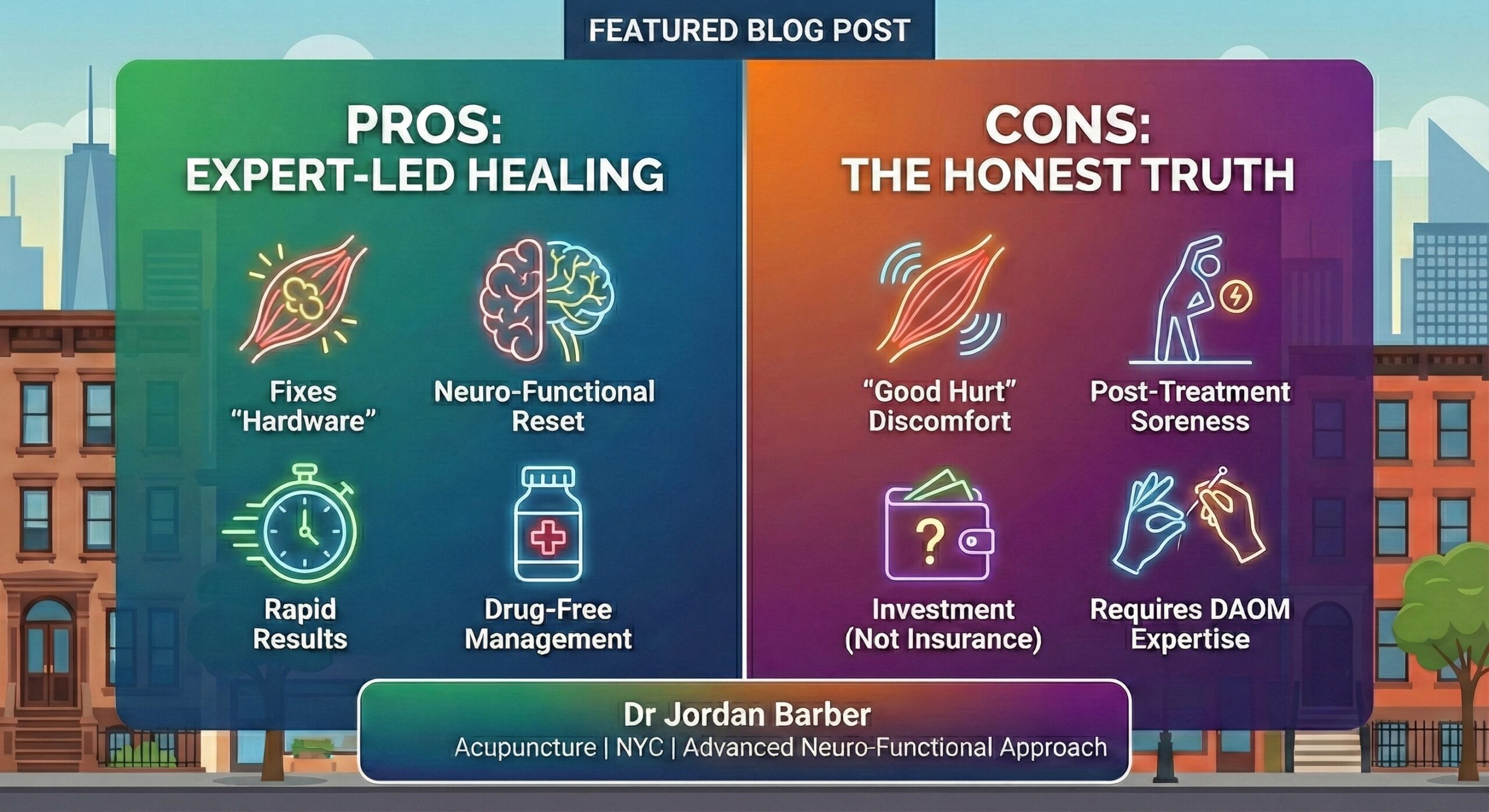
If you have Googled “dry needling pros and cons,” you’ve likely found generic lists telling you that it “might hurt” or “isn’t always covered by insurance.” While true, these lists miss the…
Author: Dr. Jordan Barber, DAOM, L.Ac | Topic: NY Health Law & Scope of Practice If you are searching for “dry needling in NYC” or asking “Can a Physical Therapist dry needle in NY?”, you…
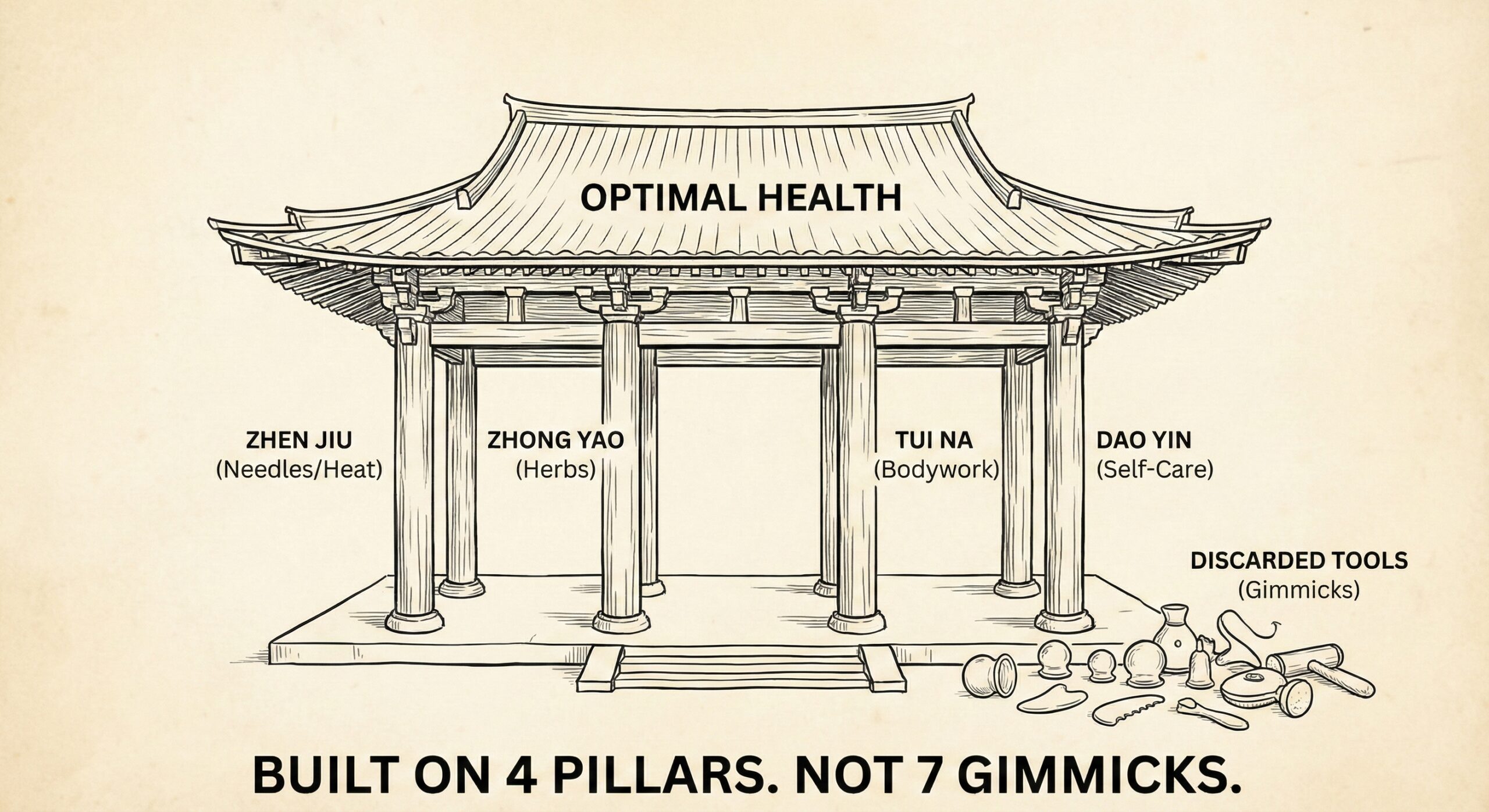
Why the internet’s “7 Pillars” lists are marketing fluff—and the actual blueprint for how this medicine works. If you Google “What is TCM?” (Traditional Chinese Medicine), you will find a…
Ready when you are.
Limited spots each week — book now to reserve yours.
Evidence-based acupuncture and dry needling on the Upper West Side. From chronic pain and headaches to pelvic floor dysfunction, Dr. Jordan Barber pairs the highest level of training with care that actually listens.
This site does not provide medical advice. Always consult a qualified healthcare professional before making changes to your health. Read our full disclaimer.