Persistent Genital Arousal Disorder (PGAD): A Pelvic Floor and Neuromuscular Approach
Reviewed by Dr. Jordan Barber, DACM, L.Ac.
May 7, 2025
4 min read
Persistent Genital Arousal Disorder (PGAD) is a complex and distressing condition characterized by unwanted, intrusive sensations of genital arousal—occurring without sexual desire or stimulation. These sensations can persist for hours, days, or longer, and are often described by patients as irritating, painful, or emotionally draining rather than pleasurable.
If you’ve been diagnosed with PGAD, know that this condition is real, misunderstood, and deeply impactful. In this article, we explore how pelvic floor dysfunction, nerve irritation, and central nervous system sensitization contribute to PGAD—and how integrative strategies like dry needling and acupuncture may help.
What Is Persistent Genital Arousal Disorder?
PGAD is marked by persistent or recurrent sensations such as throbbing, tingling, or genital pressure that occur without desire and are often unrelieved by orgasm. Symptoms can intensify with sitting, stress, or movement.
Common symptoms include:
Genital engorgement or fullness
Throbbing, burning, or sensitivity in the vulva, clitoris, or perineum
Discomfort during sitting or resting
Emotional distress, insomnia, or anxiety
Although PGAD affects individuals of all gender identities, it is more commonly reported among females and frequently overlaps with other pelvic or neurological conditions.
The Role of Pelvic Floor Dysfunction
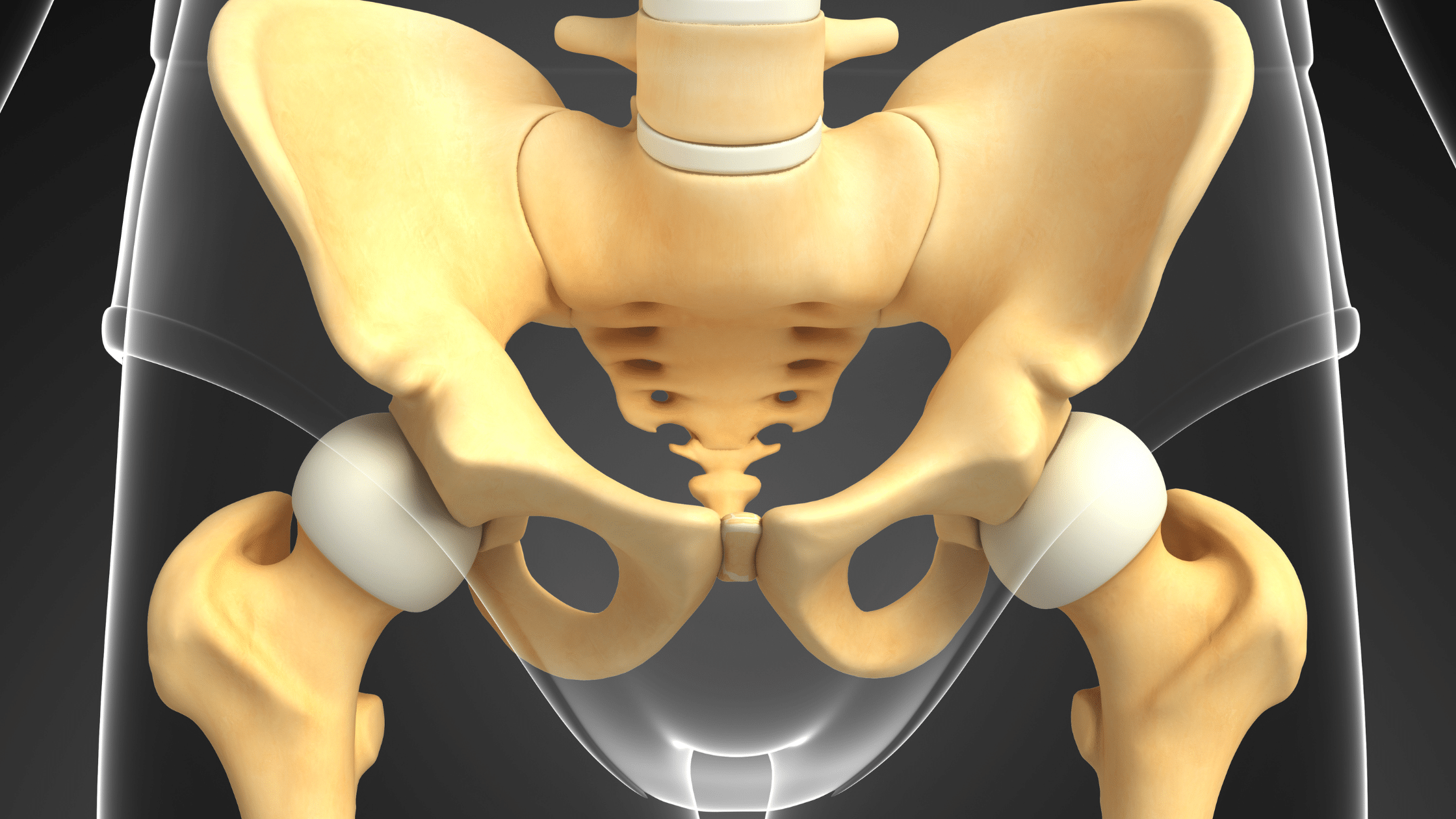
Many cases of PGAD are linked to pelvic floor dysfunction—specifically, elevated tone or trigger points in deep pelvic muscles such as the levator ani, obturator internus, and piriformis. These tight muscles can create referred sensations to the genitals, mimicking or amplifying symptoms of arousal.²
Additionally, PGAD is often associated with irritation or entrapment of nerves like the pudendal or genitofemoral nerves. Compressed or sensitized nerves can produce abnormal sensations, hypersensitivity, or pain in the genital region, contributing directly to PGAD symptoms.
Fascia, Nerves, and Sensory Feedback Loops
The fascial system in the pelvis plays a critical role in neuromuscular health. Chronic tension or densification in the connective tissue surrounding the clitoris, vulva, and pelvic nerves—especially following trauma, inflammation, or hormonal shifts—can affect both blood flow and nerve signaling.
This tension can lead to peripheral nerve sensitization, which feeds into central sensitization—a condition in which the brain amplifies normal sensory input, leading to a self-reinforcing loop of abnormal arousal or discomfort.³
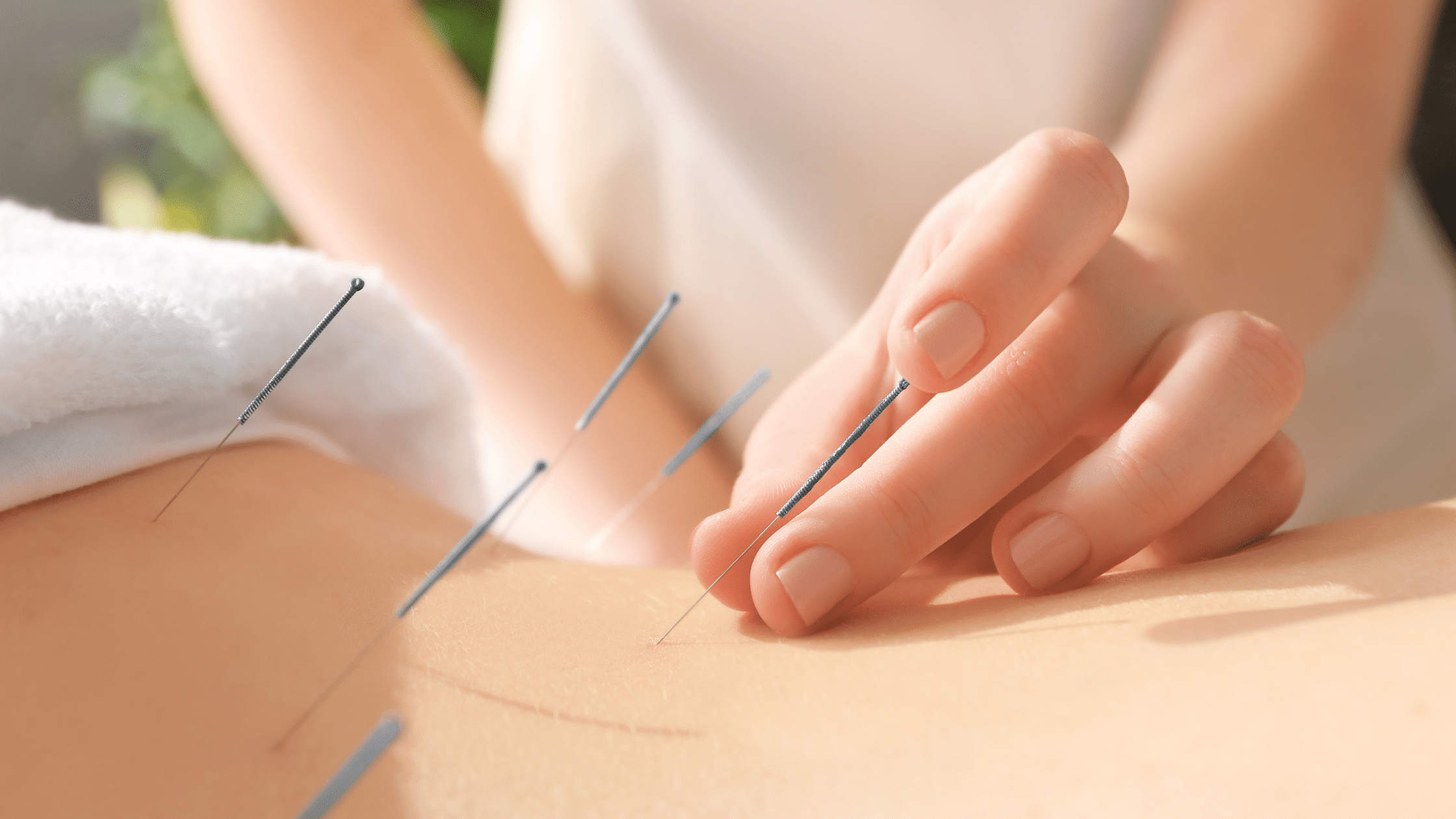
Dry needling involves inserting thin, sterile needles into areas of myofascial tension or neuromuscular dysfunction. In PGAD, this technique may:
Release tight pelvic floor and hip muscles
Relieve pressure on the pudendal or genitofemoral nerves
Increase circulation and reduce localized inflammation
Normalize sensory signaling to the spinal cord and brain
Acupuncture is frequently integrated to complement dry needling. It supports autonomic nervous system regulation, reduces anxiety, and helps recalibrate the brain’s pain and sensory pathways.
A combination of these techniques addresses both the mechanical (muscular, fascial) and neurological (nerve, central processing) dimensions of PGAD, offering a well-rounded treatment approach.¹,³
A Holistic, Compassionate Treatment Plan
In my clinic, PGAD is never approached in isolation. It often coexists with other pelvic floor or neurological conditions—and must be addressed with thoughtful, trauma-informed care. Treatment plans may include:
External pelvic floor dry needling and myofascial release
Acupuncture for calming hypersensitivity and systemic balance
Breathwork and postural retraining
Coordination with pelvic PTs, gynecologists, neurologists, or other specialists as needed
All care is tailored to your specific symptoms, history, and needs—always with an emphasis on safety, education, and empowerment.
Schedule Your Appointment
If you’ve been diagnosed with Persistent Genital Arousal Disorder (PGAD), you’re not alone—and you’re not without options. Dry needling and acupuncture offer non-invasive, evidence-supported tools to address the root causes of this condition and help restore calm and comfort to your nervous system.
Book your consultation today and take the next step toward relief and regulation.
Komisaruk BR, Goldstein M. Pudendal Neuromodulation as a Treatment for Persistent Genital Arousal Disorder. J Sex Med. 2017;14(5):e317. doi:10.1016/j.jsxm.2017.03.240. PubMed
Goldstein I, Komisaruk BR, Rubin RS, et al. Diagnosis and Treatment of Persistent Genital Arousal Disorder. Int J Womens Health. 2017;9:713-722. doi:10.2147/IJWH.S142219. PubMed
Jackowich RA, Pukall CF. Persistent Genital Arousal Disorder: A Review of Pathophysiology and Treatment Considerations. Sex Med Rev. 2021;9(3):389-403. doi:10.1016/j.sxmr.2020.07.007. PubMed
Pelvic pain often stems from identifiable muscle and nerve dysfunction, not a mystery that needs to be managed indefinitely. Patients searching for pelvic floor acupuncture NYC are usually looking for…
Male pelvic floor dysfunction is a musculoskeletal and neurological condition, though it is frequently misunderstood or misdiagnosed as something else entirely. Men who search for male pelvic floor dysfunction acupuncture…
The signature of sciatica is hard to mistake. A sharp pain shoots from the lower back or buttock down the back of the leg, sometimes with numbness, tingling, or a…
Ready when you are.
Limited spots each week — book now to reserve yours.
Evidence-based acupuncture and dry needling on the Upper West Side. From chronic pain and headaches to pelvic floor dysfunction, Dr. Jordan Barber pairs the highest level of training with care that actually listens.
This site does not provide medical advice. Always consult a qualified healthcare professional before making changes to your health. Read our full disclaimer.