
Patients searching for a pelvic floor specialist in the Upper West Side often present with symptoms that involve both muscular and neurological components. The pelvic floor consists of a group of muscles that support internal organs and contribute to core stability, continence, and movement coordination.
Dysfunction may occur when these muscles become overactive, underactive, or poorly coordinated. This can lead to symptoms such as:
From a clinical standpoint, pelvic floor dysfunction is closely related to neuromuscular control and nerve signaling. Altered muscle activation patterns can increase tension, reduce flexibility, and affect how the body distributes load during movement.
At Jordan Barber’s clinic, evaluation includes identifying trigger points, assessing muscle tone, and understanding how pelvic muscles interact with surrounding structures such as the hips, spine, and abdominal wall. This allows treatment to be targeted and function-driven.
Procedural techniques are used to directly influence muscle behavior and nerve response. The goal is not temporary symptom management but measurable improvement in function and pain reduction.
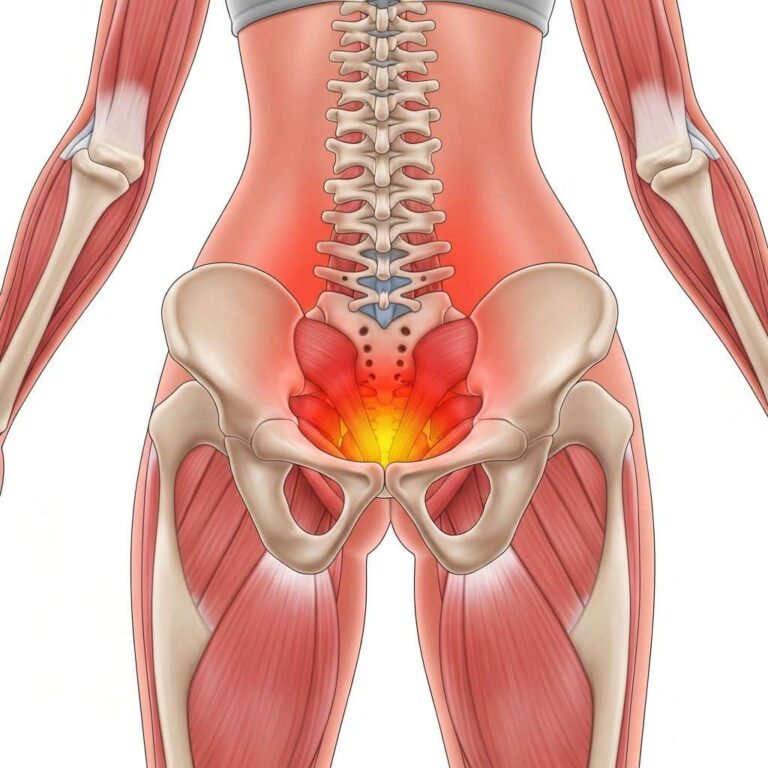
Patients seeking a pelvic floor specialist in the Upper West Side benefit from services that are clearly defined as procedural medical treatments. At this clinic, care is focused on improving neuromuscular function and reducing pain through targeted interventions.
Pelvic Floor Dry Needling is used to address myofascial trigger points within pelvic muscles. This technique targets areas of increased tension and abnormal muscle activity. By inserting fine needles into specific muscle sites, treatment may help reduce pain and improve muscle responsiveness.
This method focuses on stimulating specific nerve pathways associated with pelvic function. It is used to improve coordination between the nervous system and pelvic muscles. Treatment is based on anatomical accuracy and clinical reasoning.
Dry needling may also be applied to surrounding muscle groups such as the hips, lower back, and abdominal region. These areas often contribute to pelvic dysfunction and require integrated treatment.
Each patient undergoes a structured evaluation to determine the source of symptoms. This includes reviewing movement patterns, muscle activation, and areas of sensitivity. The goal is to identify contributing factors and guide treatment decisions.
Physical therapy is a separate discipline. At this clinic, procedural treatments are designed to support and complement physical therapy when appropriate. This integrated approach allows patients to benefit from both functional rehabilitation and targeted medical intervention.
All services provided by Jordan Barber are grounded in clinical evidence and focused on functional outcomes rather than generalized approaches.
Choosing a pelvic floor specialist in the Upper West Side requires confidence in the provider’s clinical approach and understanding of complex conditions. Patients often seek care that is structured, evidence-based, and focused on measurable improvement.
Jordan Barber is positioned as a medical practitioner specializing in procedural pain treatment. His approach is defined by:
Patients benefit from a structured environment where treatment decisions are based on objective findings rather than assumptions. Each case is approached individually, ensuring that care is specific to the patient’s condition and functional goals.
Clear communication is also a key component of care. Patients are informed about their condition, the rationale behind treatment, and expected outcomes. This helps them understand the process and remain engaged in their recovery.
At the clinic led by Jordan Barber, the goal is to provide consistent, clinically guided care that supports long-term improvement rather than short-term symptom management.
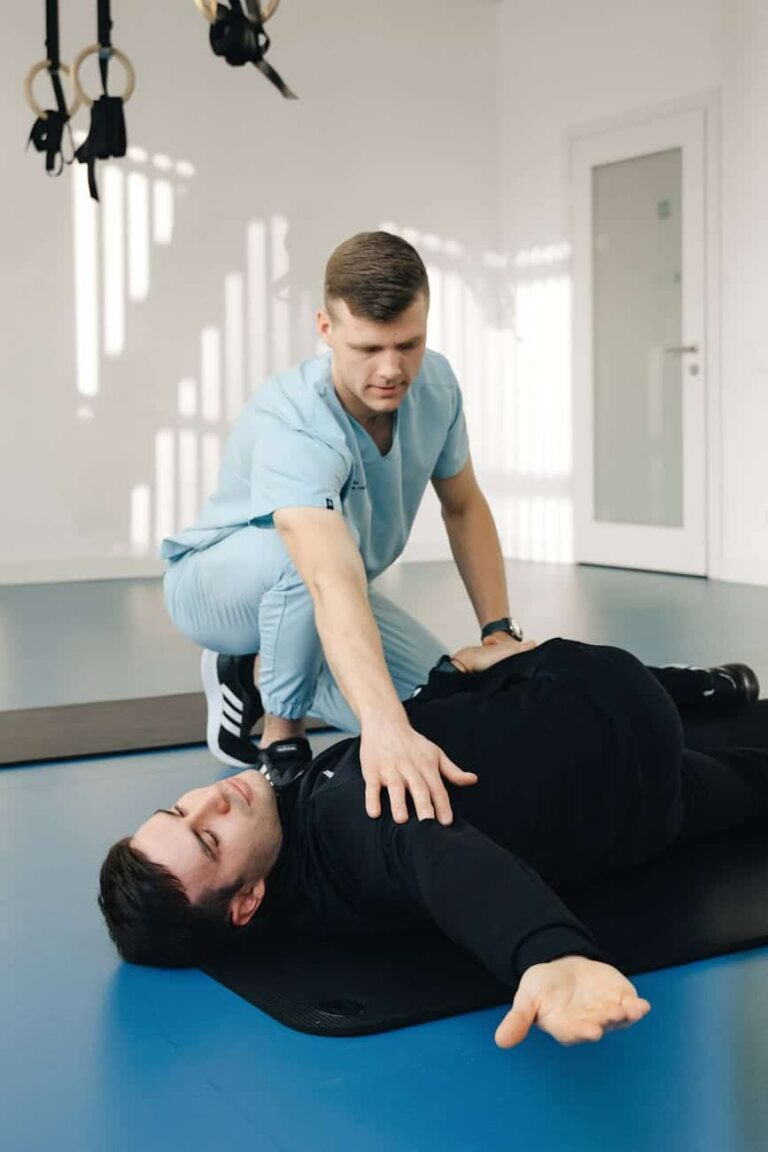
Patients seeking a pelvic floor specialist in the Upper West Side often aim for long-term improvement in both symptoms and function. Treatment focuses on reducing pain while restoring proper muscle coordination and nerve function.
Repeated sessions may support:
Reduction in pelvic pain intensity
Improved muscle coordination and control
Decreased nerve sensitivity
Better support for surrounding structures, such as the spine and hips
Improved tolerance for daily activities
Functional recovery plays a central role in treatment. When pelvic muscles function correctly, patients may experience improved comfort during sitting, walking, and other routine activities. This can also reduce compensatory strain on other parts of the body.
Treatment plans are adjusted based on progress and response. Some patients may require short-term intervention, while others benefit from continued care to maintain results and prevent recurrence.
At the clinic led by Jordan Barber, the focus remains on measurable improvement. By addressing both symptoms and underlying neuromuscular factors, patients can achieve better long-term outcomes and improved functional performance in daily life.
A pelvic floor specialist evaluates and treats conditions related to pelvic muscle function, focusing on pain reduction and improved coordination.
Pelvic Floor Dry Needling is a procedure that targets muscle trigger points to reduce tension and improve muscle activity.
Physical therapy focuses on exercise and rehabilitation. Procedural treatments provided by Jordan Barber support these efforts by directly addressing muscle and nerve function.
Common conditions include pelvic pain, muscle dysfunction, urinary issues, and movement-related discomfort.
The duration varies depending on the condition and patient response. Treatment plans are adjusted based on progress and clinical outcomes.







Ready when you are.
Limited spots each week — book now to reserve yours.

118 W. 72nd St, Rear Lobby, New York, NY 10023
Evidence-based acupuncture and dry needling on the Upper West Side. From chronic pain and headaches to pelvic floor dysfunction, Dr. Jordan Barber pairs the highest level of training with care that actually listens.
Member Clinic
An independent practice and member of New York Acupuncture Group, sharing clinical space and operations in Manhattan.
This site does not provide medical advice. Always consult a qualified healthcare professional before making changes to your health. Read our full disclaimer.