Searching for pudendal neuralgia treatment NYC often means you’re dealing with persistent pelvic, genital, or rectal pain—especially pain with sitting—and you need a clear, step-by-step plan. In New York City (including Manhattan, Brooklyn, and Queens), care commonly involves a team approach: a pelvic pain specialist, pelvic floor physical therapy for pudendal neuralgia NYC, and—when appropriate—interventional options like an image-guided pudendal nerve block NYC.
This guide explains what pudendal neuralgia is, how pudendal neuralgia diagnosis NYC typically works, what to expect from treatments (from first-line to advanced), and how to decide when to escalate care.
Pudendal Neuralgia in NYC: Quick Overview
What it is: A pain syndrome involving irritation or sensitization of the pudendal nerve and/or its branches.
Classic clue: Pain is often worse with sitting and improved by standing or lying down.
Common overlap: Pelvic floor muscle overactivity (tightness/spasm) frequently co-exists and can amplify symptoms.
Best results: Usually come from a structured pathway—education and activity changes, pelvic floor PT, medications when needed, then procedures such as pudendal nerve entrapment treatment NYC options (blocks, Botox, PRF), and advanced care for select cases.
Takeaway: In NYC, pudendal neuralgia care is most effective when it’s staged, coordinated, and reassessed at decision points rather than treated with a single “one-and-done” intervention.
What Is Pudendal Neuralgia?
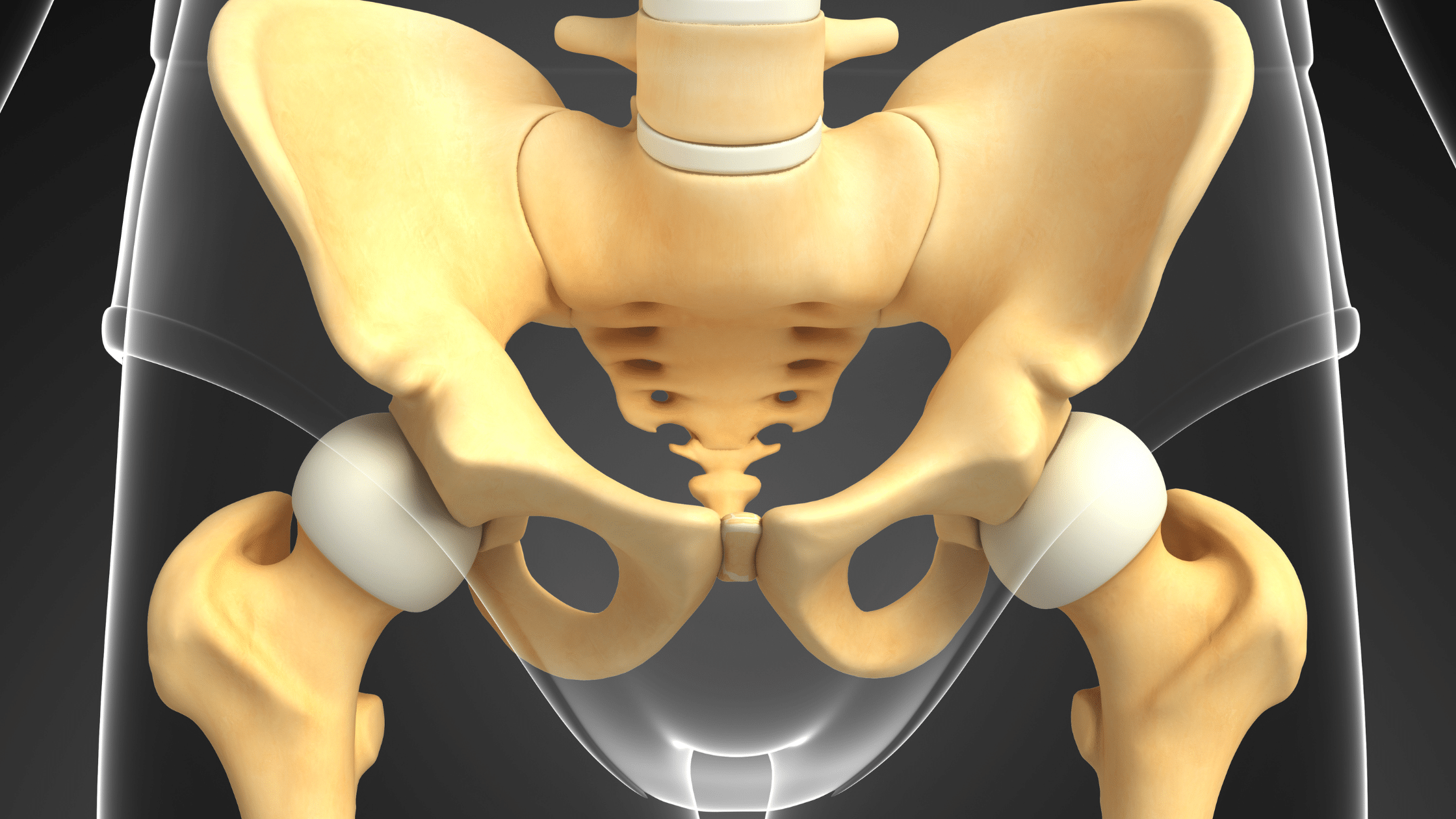
Pudendal neuralgia is pain arising from irritation, compression, traction, or heightened sensitivity of the pudendal nerve. The pudendal nerve supplies sensation to parts of the vulva, clitoris, penis, scrotum, perineum, and anus, and it also helps coordinate pelvic floor muscle function.
Pudendal neuralgia can be:
Mechanical/positional: symptoms worsen with sitting or pressure.
Myofascial-driven: pelvic floor spasm and trigger points irritate the nerve’s pathway.
Post-procedural or post-injury: after pelvic surgery, childbirth, falls, or repetitive strain.
Central sensitization component: the nervous system becomes “upregulated,” making pain persist even after the initial trigger improves.
Takeaway: Pudendal neuralgia is a syndrome with multiple contributors—successful treatment usually addresses nerve irritation and surrounding muscle/joint drivers.
Pudendal Nerve Anatomy (Simple Explanation)
The pudendal nerve travels from the lower spine into the pelvis and passes through tight anatomical corridors near ligaments and pelvic floor muscles. Along the way, it can be irritated by:
pressure (prolonged sitting, cycling, rowing)
pelvic floor muscle overactivity
scar tissue or post-surgical changes
biomechanical strain from hip/spine/SI joint issues
Takeaway: Because the nerve runs through narrow spaces, both posture/pressure and pelvic floor tension can meaningfully affect symptoms.
Symptoms of Pudendal Neuralgia
Symptoms vary, but common patterns include:
Burning, stabbing, or electric pain in the perineum, genitals, rectum, or deep pelvis
Pain with sitting (often worse on hard surfaces; may improve when standing/lying down)
Numbness or tingling (sometimes described as “pins and needles”)
Foreign body sensation in the rectum or vagina
Sexual pain or altered sensation (pain with arousal, intercourse, or orgasm; reduced sensation)
Urinary symptoms (urgency, frequency, burning without infection in some cases)
Bowel symptoms (pain with bowel movements, constipation/straining-related flares)
Takeaway: Sitting-related pelvic/genital/rectal pain is a hallmark, but bladder, bowel, and sexual symptoms can also be part of pudendal neuralgia NYC presentations.
Conditions That Mimic Pudendal Neuralgia
Not all pelvic pain is pudendal neuralgia. Many conditions overlap or imitate it, including:
These terms are often used interchangeably, but they’re not identical:
Pudendal neuralgia describes the pain syndrome (nerve pain symptoms).
Pudendal nerve entrapment suggests a more defined mechanical compression at a specific site.
Many people have nerve irritation without a single clearly “trapped” point. In NYC clinics, this is why pudendal nerve entrapment treatment NYC is typically individualized—often starting with conservative care and escalating only if the pattern and response support it.
Takeaway: “Entrapment” is a subset; most treatment plans start by reducing nerve irritation and pelvic floor tension before considering surgical options.
How Pudendal Neuralgia Is Diagnosed in NYC
Pudendal neuralgia diagnosis NYC is usually clinical—based on symptom pattern, exam findings, ruling out other causes, and sometimes response to targeted treatments (like a diagnostic nerve block). A thorough evaluation often includes pelvic, musculoskeletal, and neurologic components.
Clinical Criteria and Exam Findings
Clinicians commonly look for a cluster of findings consistent with pudendal neuralgia. While different providers may use slightly different frameworks, typical diagnostic features include:
Pain in pudendal nerve territory: perineum, genitals, and/or anorectal region
Worse with sitting: especially on hard surfaces
Not purely nocturnal: many people can sleep, though flares can still disrupt rest
No major objective sensory loss on basic exam: numbness can occur, but profound neurologic deficits suggest alternative diagnoses
Provocation with palpation: tenderness near pelvic floor muscles or along nerve pathway may reproduce symptoms
Supportive response to a pudendal nerve block: temporary relief can help confirm nerve involvement (not required in every case)
Physical exam may include:
Pelvic floor assessment (external and, when appropriate, internal) to evaluate tone, trigger points, and guarding
Hip/spine/SI joint screening to identify referral patterns and load drivers
Neurologic screen for red flags (strength, reflexes, saddle sensation when indicated)
Takeaway: Diagnosis is pattern-based: location + sitting intolerance + exam findings + ruling out mimics, sometimes supported by a diagnostic block.
Imaging and Tests: What They Can and Can’t Show
Imaging and tests are usually used to rule out other causes and to guide procedures—not because a scan reliably “shows” pudendal neuralgia.
MRI Pelvis:
Can help rule out: masses, significant pelvic organ pathology, certain inflammatory processes, severe structural abnormalities, and other causes of pelvic pain.
Limitations: a normal MRI does not exclude pudendal neuralgia; many nerve pain syndromes are not visible on standard imaging.
When considered: persistent symptoms, atypical presentation, red-flag concerns, or before advanced interventions.
MRI Lumbar Spine (and sometimes sacrum):
Can help rule out: disc herniation, stenosis, nerve root compression, or other spine-driven causes that can mimic pelvic neuropathic pain.
Limitations: incidental findings are common; correlation with symptoms and exam is essential.
When considered: back/leg symptoms, neurologic findings, or unclear pain distribution.
MR Neurography (MRN):
Potential role: can sometimes show nerve signal changes or surrounding tissue irritation in select cases.
Limitations: results can be variable; not all centers interpret it consistently, and it may not change the treatment plan.
When considered: complex cases, suspected entrapment, or when planning advanced interventions—typically under a pudendal neuralgia specialist NYC team.
Potential role: may help assess pelvic floor neuromuscular function or exclude broader neuropathies in select cases.
Limitations: standard nerve studies often do not reliably confirm pudendal neuralgia; normal results do not rule it out.
When considered: atypical neurologic symptoms, suspected broader neuropathy, or complex diagnostic uncertainty.
Can help rule out: masses, significant pelvic organ pathology, certain inflammatory processes, severe structural abnormalities, and other causes of pelvic pain.
Limitations: a normal MRI does not exclude pudendal neuralgia; many nerve pain syndromes are not visible on standard imaging.
When considered: persistent symptoms, atypical presentation, red-flag concerns, or before advanced interventions.
Can help rule out: disc herniation, stenosis, nerve root compression, or other spine-driven causes that can mimic pelvic neuropathic pain.
Limitations: incidental findings are common; correlation with symptoms and exam is essential.
When considered: back/leg symptoms, neurologic findings, or unclear pain distribution.
Potential role: can sometimes show nerve signal changes or surrounding tissue irritation in select cases.
Limitations: results can be variable; not all centers interpret it consistently, and it may not change the treatment plan.
When considered: complex cases, suspected entrapment, or when planning advanced interventions—typically under a pudendal neuralgia specialist NYC team.
Potential role: may help assess pelvic floor neuromuscular function or exclude broader neuropathies in select cases.
Limitations: standard nerve studies often do not reliably confirm pudendal neuralgia; normal results do not rule it out.
When considered: atypical neurologic symptoms, suspected broader neuropathy, or complex diagnostic uncertainty.
Takeaway: Imaging/tests are most useful to exclude other conditions and guide targeted care; diagnosis is still primarily clinical.
Red Flags and When to Seek Urgent Evaluation
Seek urgent medical evaluation (urgent care or emergency department) if you develop:
Seek urgent medical evaluation (urgent care or emergency department) if you develop:
New saddle anesthesia (new numbness in the groin/perineum region)
New or worsening weakness in the legs
Acute urinary retention or new loss of bladder control
New bowel incontinence or inability to control stools
Fever with pelvic pain, or concern for infection
Rapidly progressive, severe pain with systemic symptoms
Takeaway: Pudendal neuralgia is usually not an emergency, but new neurologic deficits, bladder/bowel changes, or fever require urgent evaluation.
Pudendal Neuralgia Treatment in NYC (Step-by-Step)
The most competitive and effective approach to pudendal neuralgia treatment NYC is staged care with clear escalation points. The goal is to reduce nerve irritation, calm pelvic floor overactivity, improve function, and prevent recurring flares.
First-line: education, activity changes, sitting strategies, and flare management
Second-line:pelvic floor physical therapy for pudendal neuralgia NYC (down-training, myofascial treatment, movement strategy)
Adjunct: medications commonly used for neuropathic pain (as appropriate)
Interventional:pudendal nerve block NYC (image-guided), and selected procedures for pelvic floor spasm
Advanced: Botox, pulsed radiofrequency (PRF), neuromodulation, and surgery in carefully selected cases
Takeaway: Most people start with conservative strategies and pelvic floor PT; procedures are typically added when progress stalls or diagnostic clarity is needed.
First-Line: Activity Changes, Sitting Strategies, and Flare Management
Reducing mechanical irritation is often the fastest way to lower symptom intensity—especially for sitting-provoked pain.
Sitting modifications:
Use a cut-out cushion (offloads the perineum) rather than a donut that may increase pressure around the edges.
Try leaning forward or sitting on one sit bone at a time for short periods.
Set a timer: stand/walk for 1–3 minutes every 20–30 minutes.
For commutes in Manhattan/Brooklyn/Queens: plan standing breaks and avoid prolonged hard-seat sitting when possible.
Activity modification:
Temporarily reduce cycling/rowing/spin, deep squats, heavy lifting with breath-holding, and prolonged hip flexion if these trigger symptoms.
Substitute with walking, gentle strengthening, and low-irritation cardio as tolerated.
Bowel and bladder strategies:
Avoid straining; consider a footstool to optimize toileting posture.
Address constipation proactively (hydration, fiber as tolerated, clinician-guided stool softening if needed).
For urinary urgency: avoid “just-in-case” voiding and consider bladder training with a clinician if appropriate.
Flare management plan:
Reduce pressure and intensity of activity for 24–72 hours.
Use heat or gentle relaxation strategies if pelvic floor spasm is prominent (some people prefer ice—individualize).
Short, frequent walks can be better than prolonged rest.
Track triggers (sitting time, stress, bowel changes, workouts) to identify patterns.
Use a cut-out cushion (offloads the perineum) rather than a donut that may increase pressure around the edges.
Try leaning forward or sitting on one sit bone at a time for short periods.
Set a timer: stand/walk for 1–3 minutes every 20–30 minutes.
For commutes in Manhattan/Brooklyn/Queens: plan standing breaks and avoid prolonged hard-seat sitting when possible.
Temporarily reduce cycling/rowing/spin, deep squats, heavy lifting with breath-holding, and prolonged hip flexion if these trigger symptoms.
Substitute with walking, gentle strengthening, and low-irritation cardio as tolerated.
Avoid straining; consider a footstool to optimize toileting posture.
Address constipation proactively (hydration, fiber as tolerated, clinician-guided stool softening if needed).
For urinary urgency: avoid “just-in-case” voiding and consider bladder training with a clinician if appropriate.
Reduce pressure and intensity of activity for 24–72 hours.
Use heat or gentle relaxation strategies if pelvic floor spasm is prominent (some people prefer ice—individualize).
Short, frequent walks can be better than prolonged rest.
Track triggers (sitting time, stress, bowel changes, workouts) to identify patterns.
Takeaway: Offloading the nerve (especially with smarter sitting and reduced pressure activities) often creates the “window” needed for PT and other treatments to work.
Pelvic Floor Physical Therapy: What to Expect
Pelvic floor physical therapy for pudendal neuralgia NYC typically focuses on down-training (reducing overactivity), improving pelvic mobility, and decreasing nerve irritation. For many people, pelvic floor overactivity is not the result of weakness—it’s a protective guarding pattern that needs to be unwound.
Common components include:
External techniques: work on hips, glutes, adductors, low back, abdominal wall, and connective tissue to reduce tension and improve load transfer.
Internal techniques (when appropriate and consented): pelvic floor muscle assessment, gentle trigger point release, and coordination training. Internal work is not mandatory for everyone.
Breathing and relaxation: diaphragmatic breathing, pelvic floor “drop” training, and nervous system calming strategies to reduce guarding.
Movement retraining: posture, hip mechanics, and strategies for lifting/exercise without bracing or breath-holding.
Home program: short daily down-training, gentle mobility, and pacing strategies (often more effective than occasional intense sessions).
Nerve glides: sometimes used cautiously; not everyone tolerates them, and they should be introduced only when irritability is lower.
Typical cadence: Many plans start with weekly visits for 4–6 weeks, then taper based on progress. Some people need a longer course, especially when symptoms are longstanding or there are multiple drivers.
Medications Commonly Used for Nerve Pain (Pros/Cons)
Medication can be a helpful adjunct—especially when pain sensitivity is high or sleep is disrupted. A pudendal neuralgia specialist NYC or pelvic pain clinician may discuss options such as:
Neuropathic pain modulators: may reduce burning/electric pain; can have side effects like drowsiness, dry mouth, or dizziness.
Topical options: sometimes used for localized vulvar/vestibular symptoms; tolerance varies.
Muscle relaxant strategies: may help when pelvic floor spasm is prominent; can cause sedation.
Anti-inflammatory medications: may help if inflammation is a contributor, though neuropathic pain often needs other tools.
Medication choice depends on symptoms, medical history, other medications, and goals (daytime function vs. sleep).
Takeaway: Medications are rarely the only solution, but they can improve function and make PT and lifestyle changes more tolerable.
Image-Guided Pudendal Nerve Block in NYC
An image-guided pudendal nerve block NYC can be used for both diagnosis and treatment. In NYC, these are commonly performed by pain management physicians using imaging guidance (often fluoroscopy, ultrasound, or CT depending on approach and clinician preference).
Why image guidance matters: The pudendal nerve is small and deep; imaging improves accuracy and safety compared with blind injections.
What a pudendal nerve block may do:
Diagnostic support: temporary pain reduction can suggest pudendal nerve involvement.
Therapeutic relief: some people get meaningful symptom reduction, especially when combined with pelvic floor PT and activity changes.
Decision point: response helps determine whether to continue conservative care, repeat blocks, or consider advanced options.
What to expect:
Relief may be immediate but temporary (from local anesthetic) and/or delayed (depending on medication used).
Not everyone responds; lack of response does not automatically rule out pelvic floor drivers or other pelvic pain generators.
Takeaway: A pudendal nerve block is often a key step in pudendal neuralgia treatment New York pathways—especially when diagnosis is uncertain or symptoms are not improving with first-line care.
Advanced Options: Botox, PRF, Neuromodulation, and When Surgery Is Considered
If symptoms persist despite a solid trial of conservative care, NYC specialists may discuss advanced options. Escalation is usually considered when pain remains function-limiting after consistent first- and second-line treatment, or when diagnostic blocks strongly support pudendal nerve involvement.
Botulinum toxin (Botox) for pelvic floor spasm:
Best fit: significant pelvic floor hypertonicity/spasm that does not respond to PT alone.
Goal: reduce muscle overactivity that may be compressing/irritating the nerve.
Decision point: often considered when internal work/down-training is limited by guarding or severe pain.
Pulsed radiofrequency (PRF):
Best fit: persistent neuropathic pain with supportive response to blocks, when a longer-lasting neuromodulatory effect is desired.
Goal: modulate pain signaling without destructive nerve lesioning.
Decision point: considered after conservative measures and often after diagnostic/therapeutic blocks.
Neuromodulation:
Options: may include peripheral nerve stimulation or other stimulation strategies depending on the pain pattern and specialist evaluation.
Best fit: refractory symptoms affecting quality of life, particularly when less invasive options have not provided durable relief.
Decision point: typically after a structured conservative pathway and interventional trials.
Best fit: carefully selected cases with strong evidence of entrapment and persistent disabling symptoms despite comprehensive non-surgical care.
Important note: surgery is not first-line; decision-making should be cautious and ideally multidisciplinary.
Best fit: significant pelvic floor hypertonicity/spasm that does not respond to PT alone.
Goal: reduce muscle overactivity that may be compressing/irritating the nerve.
Decision point: often considered when internal work/down-training is limited by guarding or severe pain.
Best fit: persistent neuropathic pain with supportive response to blocks, when a longer-lasting neuromodulatory effect is desired.
Goal: modulate pain signaling without destructive nerve lesioning.
Decision point: considered after conservative measures and often after diagnostic/therapeutic blocks.
Options: may include peripheral nerve stimulation or other stimulation strategies depending on the pain pattern and specialist evaluation.
Best fit: refractory symptoms affecting quality of life, particularly when less invasive options have not provided durable relief.
Decision point: typically after a structured conservative pathway and interventional trials.
Best fit: carefully selected cases with strong evidence of entrapment and persistent disabling symptoms despite comprehensive non-surgical care.
Important note: surgery is not first-line; decision-making should be cautious and ideally multidisciplinary.
Takeaway: Advanced interventions can help the right patient, but they work best when chosen based on exam findings, response to blocks, and a clear escalation rationale—not just symptom severity alone.
How Long Does Recovery Take? Typical Timelines
Recovery is individual, but many NYC treatment plans follow practical checkpoints:
Weeks 0–2: focus on offloading (sitting changes), reducing triggers, and establishing a flare plan. Some people notice early improvement simply by reducing pressure and strain.
Weeks 3–8: consistent pelvic floor PT down-training and movement changes. This is often when sitting tolerance and daily function begin to improve.
Weeks 8–12: reassess progress. If improvement is limited, consider medication optimization and/or an image-guided pudendal nerve block NYC as a diagnostic and therapeutic step.
3–6 months: for persistent cases, consider advanced options (Botox/PRF/neuromodulation) and multidisciplinary review.
Decision points that often trigger escalation:
minimal functional improvement after a consistent PT and activity-modification trial
severe sitting intolerance despite offloading strategies
clear neuropathic pattern with supportive response to blocks but short-lived relief
Takeaway: Many people improve over weeks to months with staged care; reassessment at 8–12 weeks helps decide whether to add interventions.
Preparing for Your Appointment (Questions to Ask)
Whether you’re seeing a pelvic pain specialist in Manhattan, a pain management clinician in Brooklyn, or a pelvic floor PT in Queens, arriving prepared can speed up the diagnostic process.
Diagnosis clarity: “What diagnoses are most likely in my case—pudendal neuralgia, pelvic floor myalgia, spine/hip referral, or overlap?”
Exam plan: “Will you assess pelvic floor tone and hip/spine contributors?”
Imaging/testing: “What are we trying to rule out with MRI pelvis or MRI spine? Would MR neurography change management?”
PT strategy: “Is my plan focused on down-training first? How will we measure progress?”
Interventions: “When would you recommend an image-guided pudendal nerve block, and what would a positive or negative response mean?”
Escalation: “If I’m not improving in 8–12 weeks, what is our next step?”
Takeaway: The best visits end with a timeline-based plan, clear next steps, and criteria for escalation.
Next Steps: Getting the Right Care in New York City
If you suspect pudendal neuralgia, prioritize a clinician who regularly treats complex pelvic pain and can coordinate care. In NYC, many patients benefit from a team that includes:
Pelvic floor physical therapist experienced in pelvic pain down-training
Pain management for image-guided injections and advanced interventions
Urology/urogynecology for bladder and urinary symptom evaluation
Gynecology for vulvar/vaginal pain, endometriosis considerations, and pelvic organ assessment
Colorectal specialist for anorectal pain sources and bowel-related contributors
Spine/orthopedics/neurology when back/leg symptoms or neurologic findings suggest referral patterns
When to See Which Specialist (Practical Guide)
Pain management: if you’re considering an image-guided pudendal nerve block NYC, PRF, or neuromodulation; or if pain is limiting function despite PT.
Pelvic floor PT: if you have pelvic floor tightness, trigger points, pain with penetration, or guarding—often a first-line cornerstone.
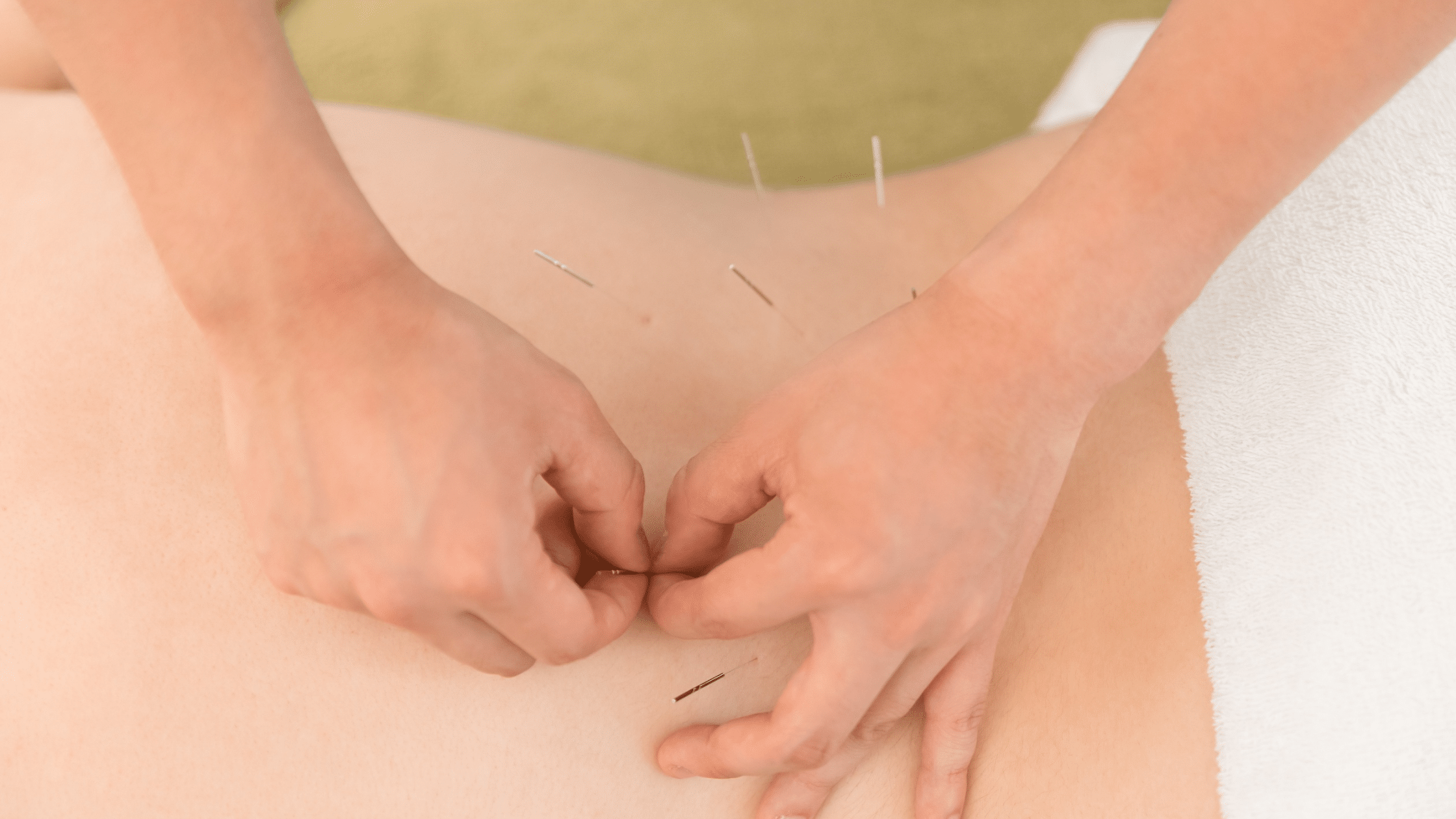
Pelvic Floor Acupuncture: if you have tried PT or are looking to add additional care for a more comprehensive approach.
Urology/urogynecology: if urgency/frequency, painful urination, recurrent “UTI-like” symptoms, or pelvic organ concerns are prominent.
Colorectal: if pain is strongly linked to bowel movements, fissures/hemorrhoids are suspected, or rectal pain is dominant.
Spine/ortho: if symptoms radiate into the leg, you have back pain with neurologic signs, or hip motion clearly provokes pain.
Takeaway: The “right” specialist depends on your dominant drivers—nerve, muscle, bladder/bowel, or spine/hip—and many NYC patients need coordinated care across disciplines.
FAQ
Is pudendal neuralgia the same as pudendal nerve entrapment?
No. Pudendal neuralgia is the pain syndrome; pudendal nerve entrapment suggests a more defined mechanical compression. Many people have irritation and sensitization without a single trapped point, which is why pudendal nerve entrapment treatment NYC should be individualized.
How do I know if my pain is pudendal neuralgia or pelvic floor myalgia?
Pudendal neuralgia often has neuropathic qualities (burning/electric) and is commonly worse with sitting. Pelvic floor myalgia tends to be more muscular/aching and is often reproduced with palpation of tight pelvic floor muscles and trigger points. Many people have both, which is why combined evaluation is important.
What does an image-guided pudendal nerve block do?
A pudendal nerve block NYC performed with imaging can help confirm pudendal nerve involvement (diagnostic) and may reduce pain (therapeutic). The degree and duration of relief can guide next steps, such as continued PT, repeat blocks, or advanced options.
What should I expect from pelvic floor physical therapy for pudendal neuralgia in NYC?
Most plans emphasize down-training, gentle myofascial treatment (external and sometimes internal), breathing/relaxation, movement retraining, and a home program. Visits are often weekly at first, then spaced out as symptoms improve.
When is Botox used for pudendal neuralgia?
Botulinum toxin is typically considered when pelvic floor spasm/hypertonicity is a major driver and does not improve adequately with pelvic floor PT alone, or when guarding prevents progress.
Can MRI or MR neurography confirm pudendal neuralgia?
Imaging can help rule out other causes and sometimes provides supportive information, but a normal MRI/MRN does not exclude pudendal neuralgia. Diagnosis is usually clinical and may be supported by response to targeted treatments.
When should I seek urgent care for pelvic pain?
Seek urgent evaluation for new saddle anesthesia, progressive weakness, acute urinary retention or new incontinence, new bowel incontinence, fever with pelvic pain, or rapidly worsening symptoms.
Pelvic pain often stems from identifiable muscle and nerve dysfunction, not a mystery that needs to be managed indefinitely. Patients searching for pelvic floor acupuncture NYC are usually looking for…
Male pelvic floor dysfunction is a musculoskeletal and neurological condition, though it is frequently misunderstood or misdiagnosed as something else entirely. Men who search for male pelvic floor dysfunction acupuncture…
Pelvic floor symptoms have a way of disrupting everything. Pressure that builds as the day goes on, pain with sitting, urgency that interrupts your routine, and discomfort during ordinary activity…
Ready when you are.
Limited spots each week — book now to reserve yours.
Evidence-based acupuncture and dry needling on the Upper West Side. From chronic pain and headaches to pelvic floor dysfunction, Dr. Jordan Barber pairs the highest level of training with care that actually listens.
This site does not provide medical advice. Always consult a qualified healthcare professional before making changes to your health. Read our full disclaimer.