Dry Needling for TMJ: Benefits, Risks, and What to Expect
Reviewed by Dr. Jordan Barber, DACM, L.Ac.
November 25, 2026
10 min read
What Is Dry Needling for TMJ?
Dry needling for TMJ is a treatment technique that uses very thin, solid needles to target tight, sensitive areas in the muscles that help move and support the jaw. These areas are often called trigger points, and they may contribute to jaw pain, clicking, headaches, facial tension, and limited mouth opening.
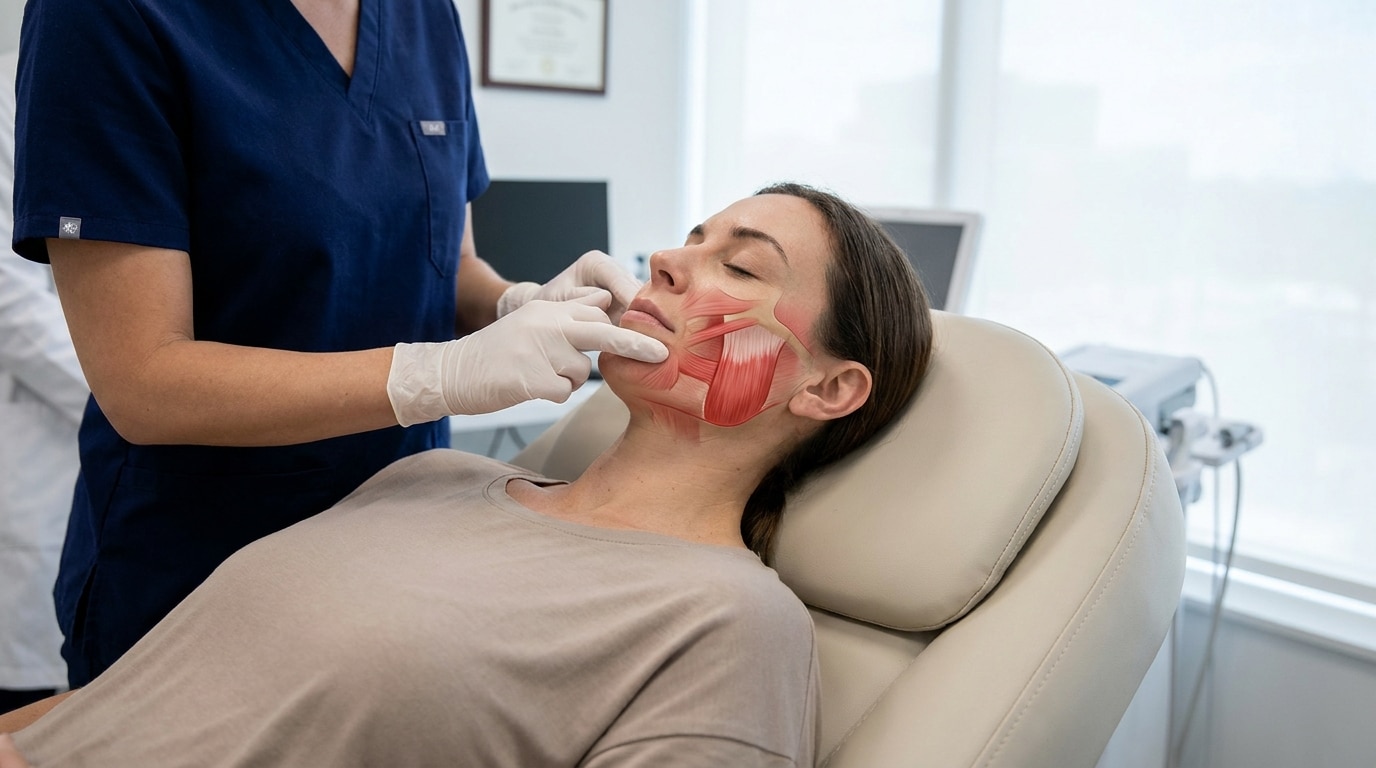
With tmj dry needling, a trained provider may focus on muscles around the jaw, face, temples, and neck. Common targets can include the tmj masseter, which is the strong chewing muscle along the side of the jaw, as well as muscles that influence jaw position and neck tension. The goal is to help reduce muscle tightness, improve mobility, and support more comfortable jaw movement.
Unlike acupuncture, which is based on traditional Chinese medicine principles, dry needling tmj techniques are typically based on anatomy, muscle function, and trigger point patterns. The needles do not inject medication, which is why the technique is called “dry.”
Tmj needling is often used as part of a broader care plan, rather than as a stand-alone fix. For people seeking dry needling for tmj pain, it may be combined with jaw exercises, posture work, manual therapy, and education on habits such as clenching or grinding.
How TMJ Dry Needling May Help Jaw Pain and Tightness
Dry needling for TMJ may help reduce jaw pain and tightness by targeting irritated trigger points in the muscles that control chewing and jaw movement. These tight bands can contribute to soreness around the jaw, temples, cheeks, and even the ears. By placing a thin needle into specific muscle points, a trained provider aims to calm muscle guarding, improve blood flow, and help the muscle relax.
For some people, tmj dry needling may support better jaw mobility. If the tmj masseter or nearby muscles are overly tight, opening the mouth wide enough to eat, yawn, or speak comfortably can feel restricted. Reducing muscle tension may make jaw opening feel smoother and less strained.
Dry needling tmj treatment may also help with symptoms that are linked to muscle tension, such as jaw clicking or popping. It is important to note that clicking can come from several causes, including joint mechanics, so tmj needling may not eliminate it completely. However, easing muscle tightness may reduce how often clicking feels uncomfortable or painful.
Because jaw muscles connect closely with the head and neck, dry needling for tmj pain may also help tension-type headaches or temple pain associated with clenching, grinding, or prolonged jaw tightness. Results vary, and dry needling is often most helpful when combined with exercises, posture work, stress management, and other TMJ care strategies.
Dry Needling TMJ Muscles, Including the TMJ Masseter
Dry needling for TMJ often focuses on muscles that control chewing, clenching, jaw opening, and head posture. When these muscles develop trigger points or become overactive, they can refer pain to the jaw, teeth, temples, ears, or neck and may limit normal jaw movement. Pain that feels deep in the joint can sometimes come from these muscles instead, which is one reason a careful assessment matters.
Masseter: The tmj masseter is one of the strongest chewing muscles. Tightness here is common with clenching or grinding and may contribute to jaw soreness, pressure, and difficulty opening fully.
Temporalis: This fan-shaped muscle on the side of the head helps close the jaw. Trigger points may cause temple headaches, tooth-like pain, or tension around the TMJ.
Pterygoids: These deeper jaw muscles help with side-to-side motion and jaw opening. In tmj dry needling, they may be considered when the jaw feels locked, shifted, or uncoordinated.
Neck muscles: Muscles such as the sternocleidomastoid, upper trapezius, and suboccipitals can influence jaw mechanics through posture and shared tension patterns.
A provider performing dry needling tmj treatment will typically assess jaw motion, bite habits, tenderness, and neck mobility before selecting specific muscles. The goal of tmj needling is not simply to needle the painful spot, but to address the muscle patterns that may be contributing to restricted motion, tightness, and dry needling for tmj pain concerns.
Why Assessment Comes Before Needling
Not all TMJ pain comes mainly from tight muscles. Jaw symptoms can also involve the neck, posture, bite forces, clenching or grinding linked to stress, and breathing habits. An assessment looks at these factors first, so any needling is aimed at the muscles that are actually involved. You can read more about how jaw and facial pain is evaluated and cared for at our clinic on our TMD and TMJ pain page.
A session for dry needling for tmj typically begins with a focused evaluation. Your provider may ask about jaw pain, clicking, headaches, clenching, dental history, and what makes symptoms better or worse. They may also assess jaw opening, bite movement, neck mobility, posture, and tender trigger points in the jaw and surrounding muscles.
At our clinic, Dr. Jordan Barber reviews your history, checks jaw movement and posture, and examines the jaw and neck muscles before deciding whether dry needling fits your care. He explains what he finds and what each part of the plan is for, and he answers your questions along the way. When nerve involvement seems to play a part in your pain, he may also use Neuro-Functional Acupuncture. Learn more about our dry needling service.
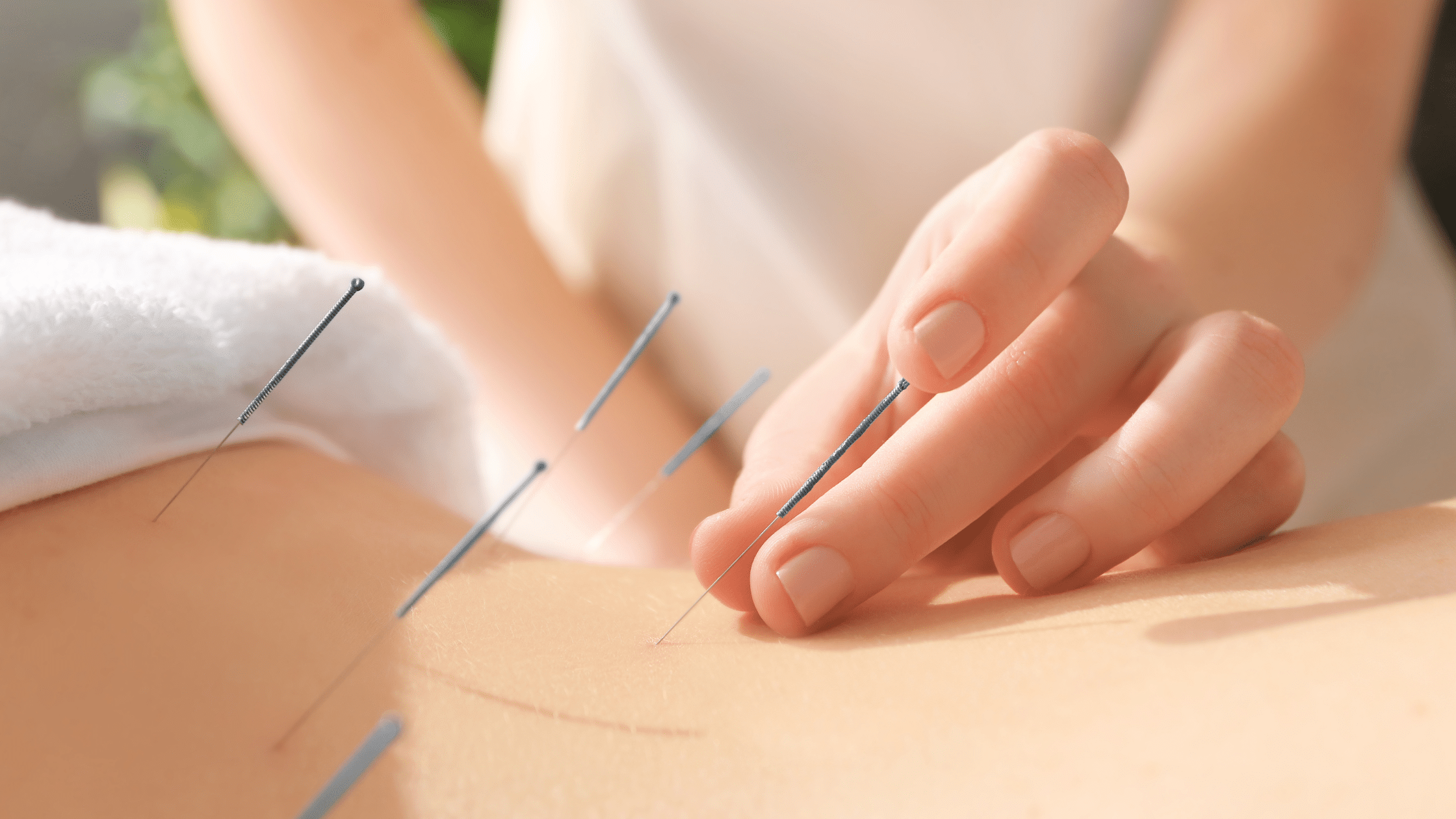
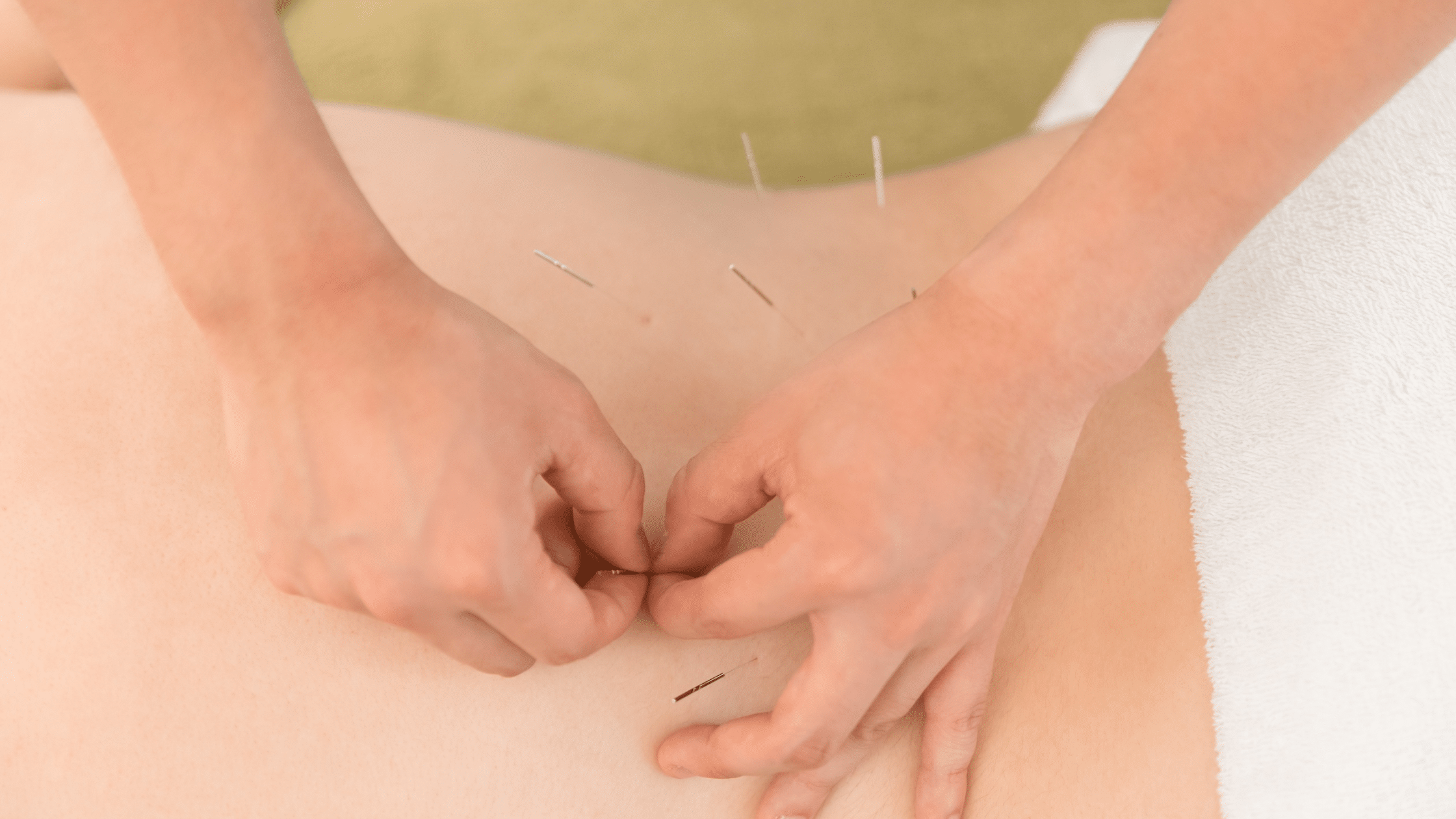
For treatment setup, you will usually sit or lie in a comfortable position while the skin is cleaned. The provider will identify specific muscles, which may include the tmj masseter, temporalis, or nearby neck muscles depending on your symptoms. With tmj dry needling, very thin, sterile needles are placed into targeted muscle tissue rather than into the joint itself in most cases.
During dry needling tmj treatment, you may feel a quick pinch, pressure, aching, or a brief muscle twitch. Some people feel referred sensations into the teeth, ear, temple, or jaw, which should be temporary. Tell your provider if anything feels sharp, intense, or uncomfortable.
A typical tmj needling visit may last 20 to 45 minutes, depending on the evaluation and whether other hands-on care or exercises are included. Afterward, mild soreness, fatigue, or temporary jaw tenderness can occur.
Drink water and avoid aggressive chewing for the rest of the day.
Use gentle jaw movements as instructed by your provider.
Follow any home exercises for posture, breathing, or jaw relaxation.
Contact your provider if pain worsens significantly or unusual symptoms develop.
Aftercare is an important part of dry needling for tmj pain, especially if clenching, stress, or neck tension contributes to your symptoms.
Is Dry Needling for TMJ Pain Safe?
Dry needling for TMJ is generally considered low risk when it is performed by a trained clinician with experience treating jaw, face, and neck muscles. Because the temporomandibular joint sits close to nerves, blood vessels, salivary glands, and sensitive facial structures, provider training and precise anatomy knowledge matter.
Common side effects of tmj dry needling may include temporary soreness, mild bruising, a small amount of bleeding, jaw fatigue, or aching in the treated area. Some people feel lightheaded during or after needling, especially if they are anxious around needles. These effects are usually short-lived, but your clinician should explain what is normal and what should be reported.
Possible risks of dry needling tmj treatment include infection, increased pain, irritation of nearby nerves, or improper needle placement. When the tmj masseter and surrounding muscles are treated, careful technique helps reduce the chance of unnecessary discomfort or complications.
Some people should avoid or postpone tmj needling, including those with an active infection near the jaw, uncontrolled bleeding disorders, certain immune system concerns, or a strong needle phobia. If you take blood thinners, are pregnant, have a history of fainting, or have complex medical conditions, talk with your healthcare provider first.
A qualified clinician will review your health history, assess whether dry needling for tmj pain is appropriate, use clean technique, and adjust treatment based on your symptoms and comfort level.
Dry Needling vs Other TMJ Treatments
Dry needling for TMJ is one option for addressing jaw muscle tightness, trigger points, and pain, but it is usually most effective when considered alongside other conservative treatments. While tmj dry needling targets irritated muscle bands directly, physical therapy exercises focus on improving jaw control, mobility, and strength over time.
Manual therapy can also be helpful, especially when stiffness in the jaw, neck, or upper back contributes to symptoms. A therapist may use hands-on techniques to reduce tension and improve joint movement, while dry needling tmj muscles such as the tmj masseter may help calm specific areas of muscle overactivity.
Mouth guards or splints, often recommended by a dentist, work differently. They may reduce the effects of clenching or grinding, especially at night, but they do not directly retrain muscle patterns or posture. Medication, such as anti-inflammatories or muscle relaxers, may provide short-term symptom relief, but it typically does not address the underlying movement or tension habits.
Posture work and stress management are also important for many people with TMJ symptoms. Neck position, breathing patterns, and stress-related clenching can all influence jaw pain. For this reason, dry needling for tmj pain is often best viewed as one tool within a broader plan that may include exercises, hands-on care, ergonomic changes, and strategies to reduce jaw tension throughout the day.
Many patients with TMJ symptoms also see a dentist, a physical therapist or a physician. Dry needling can work alongside that care. A good provider should be able to explain what they are finding and how each part of the plan relates to your symptoms.
When to Consider Dry Needling for TMJ and When to Get Medical Care
Dry needling for TMJ may be worth considering when jaw pain, muscle tightness, headaches, or clenching-related soreness seem connected to overactive trigger points in the jaw, face, neck, or shoulders. It is often considered when conservative care, such as gentle mobility work, posture changes, stress management, or a night guard, has not provided enough relief.
TMJ dry needling may be especially relevant if you have tenderness in the tmj masseter area, pain with chewing, jaw fatigue, or muscle tightness that limits comfortable opening. A trained clinician can assess whether dry needling tmj muscles fits your symptoms and overall treatment plan.
Get medical evaluation first if you have red flags
Jaw pain after a fall, car accident, sports injury, or direct trauma
Facial swelling, fever, warmth, redness, drainage, or other signs of infection
A jaw that is locked open or closed, or suddenly cannot move normally
Rapidly worsening pain, new numbness, weakness, or severe headache
Difficulty swallowing, breathing, or speaking
Unexplained weight loss, night sweats, or persistent pain that does not improve
If red flags are absent, tmj needling may be one option within a broader care plan. A qualified provider can help determine whether dry needling for tmj pain is appropriate or whether dental, medical, or imaging evaluation is needed first.
Frequently Asked Questions
Does dry needling for TMJ hurt?
Dry needling for TMJ may cause a brief pinch, ache, or muscle twitch during treatment. Some people feel temporary soreness afterward, similar to post-exercise muscle soreness, which usually improves within a day or two.
How is TMJ dry needling different from acupuncture?
TMJ dry needling is typically focused on trigger points, muscle tension, and jaw movement, while acupuncture is based on traditional Chinese medicine principles. Both use thin needles, but the goals, assessment methods, and treatment approach are different.
What muscles are treated during dry needling TMJ sessions?
A provider may treat jaw, face, neck, or shoulder muscles that contribute to TMJ pain and tightness. The tmj masseter muscle is a common target because it is heavily involved in chewing and jaw clenching.
How many sessions of dry needling for TMJ pain will I need?
The number of sessions depends on your symptoms, how long you have had jaw pain, and whether other issues like clenching, posture, neck tension, or stress are involved. Some people notice changes quickly, while others need a longer treatment plan that includes exercises and habit changes.
Is tmj needling safe?
TMJ needling is generally considered safe when performed by a trained, licensed provider who understands jaw and facial anatomy. Possible side effects include temporary soreness, bruising, bleeding, dizziness, or fatigue. It may not be appropriate for everyone, so your provider should review your health history first.
Can dry needling fix TMJ permanently?
Dry needling for tmj can help reduce muscle tension and pain, but it may not address every cause of TMJ symptoms. Long-term improvement often depends on treating contributing factors such as jaw habits, bite stress, neck mobility, posture, sleep, and stress management.
When should I avoid dry needling for TMJ and see a medical provider?
Seek medical or dental care if you have jaw locking, significant swelling, recent facial trauma, fever, unexplained numbness, severe headache, or sudden changes in your bite. You should also tell your provider if you are pregnant, take blood thinners, have a bleeding disorder, or have a needle phobia before considering dry needling for tmj pain.
If jaw pain, tightness or clenching is getting in the way of eating, speaking or sleeping, book a free consultation with Dr. Jordan Barber to talk about whether dry needling is right for you.
Pelvic pain often stems from identifiable muscle and nerve dysfunction, not a mystery that needs to be managed indefinitely. Patients searching for pelvic floor acupuncture NYC are usually looking for…
The signature of sciatica is hard to mistake. A sharp pain shoots from the lower back or buttock down the back of the leg, sometimes with numbness, tingling, or a…
Pelvic floor symptoms have a way of disrupting everything. Pressure that builds as the day goes on, pain with sitting, urgency that interrupts your routine, and discomfort during ordinary activity…
Ready when you are.
Limited spots each week — book now to reserve yours.
Evidence-based acupuncture and dry needling on the Upper West Side. From chronic pain and headaches to pelvic floor dysfunction, Dr. Jordan Barber pairs the highest level of training with care that actually listens.
This site does not provide medical advice. Always consult a qualified healthcare professional before making changes to your health. Read our full disclaimer.