Acupuncture for Pelvic Floor Dysfunction: Benefits, Treatment, and What to Expect
Reviewed by Dr. Jordan Barber, DACM, L.Ac.
April 6, 2026
8 min read
Pelvic floor dysfunction (PFD) is a condition that can significantly affect your daily life. It can lead to pain, urinary and bowel problems, and sexual health concerns, all of which can deeply impact your comfort and well-being. Unfortunately, many people suffering from pelvic floor dysfunction find themselves confused because the symptoms are often misunderstood or treated too narrowly. If you’ve been dealing with this condition and are unsure of your options, this blog will explain how Acupuncture for Pelvic Floor Dysfunction might help. Through a clinical, assessment-driven approach, acupuncture can be a valuable tool in managing and alleviating symptoms, offering patients real relief based on their individual needs.
What Is Pelvic Floor Dysfunction?
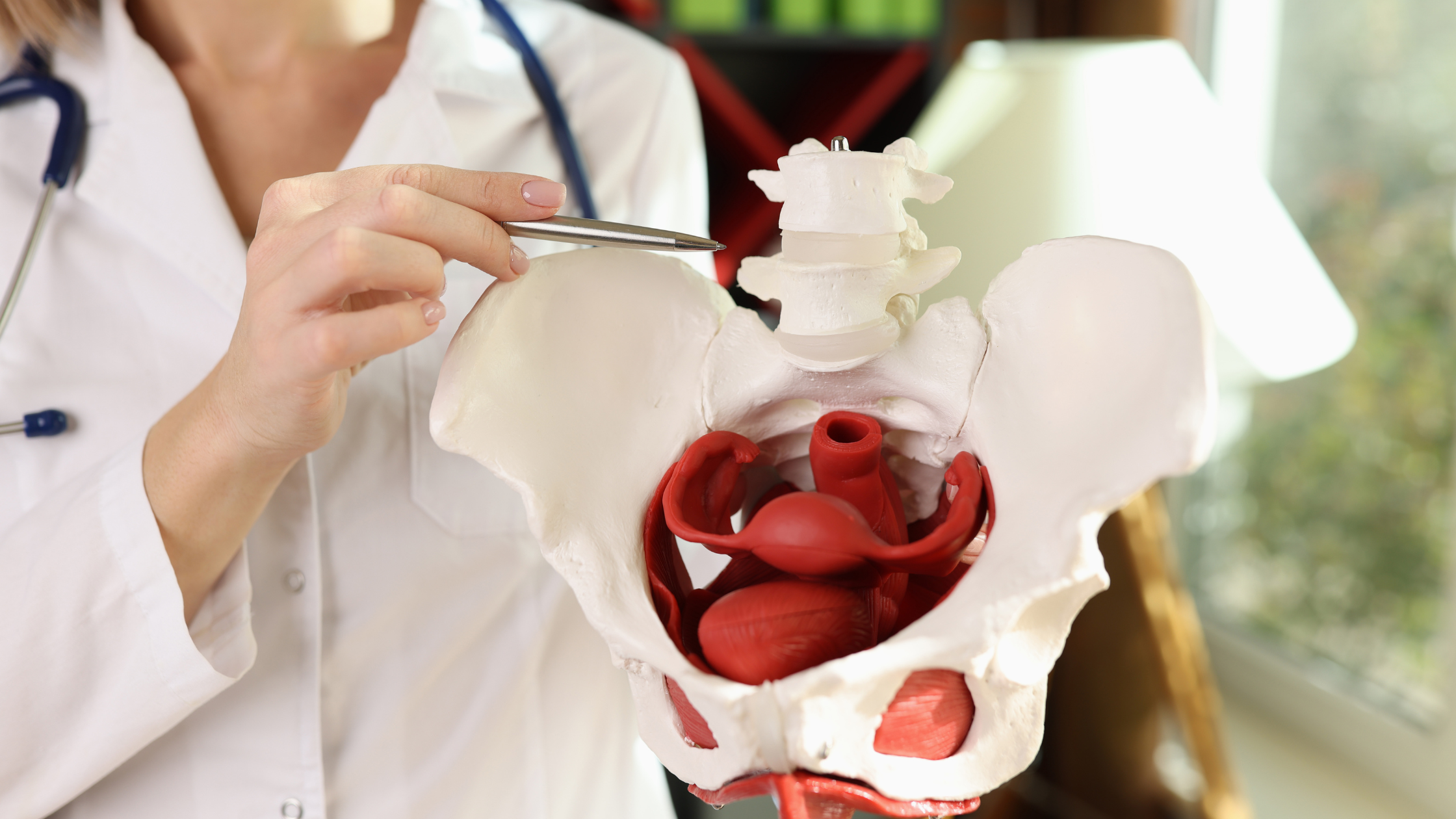
Pelvic floor dysfunction is a condition where the muscles, nerves, and connective tissues that support the pelvic organs fail to function properly. The pelvic floor plays a crucial role in supporting the bladder, bowel, and sexual organs, and when it’s not functioning well, a range of symptoms can occur. These symptoms can include pelvic pain, urinary urgency, pain during or after sex, constipation, and discomfort while sitting. Dysfunction in the pelvic floor can result from several factors, including muscle tension, poor coordination, nerve irritation, or weakness.
When the pelvic floor muscles become either too tight (hypertonic) or too weak (hypotonic), they fail to provide the support that the body requires, leading to these symptoms. Additionally, the condition may involve irritation of nearby nerves, further complicating the problem. Understanding the mechanics of the pelvic floor and its interconnectedness with other areas of the body, such as the abdomen, hips, and low back, is essential for effective treatment.
Common Symptoms of Pelvic Floor Dysfunction
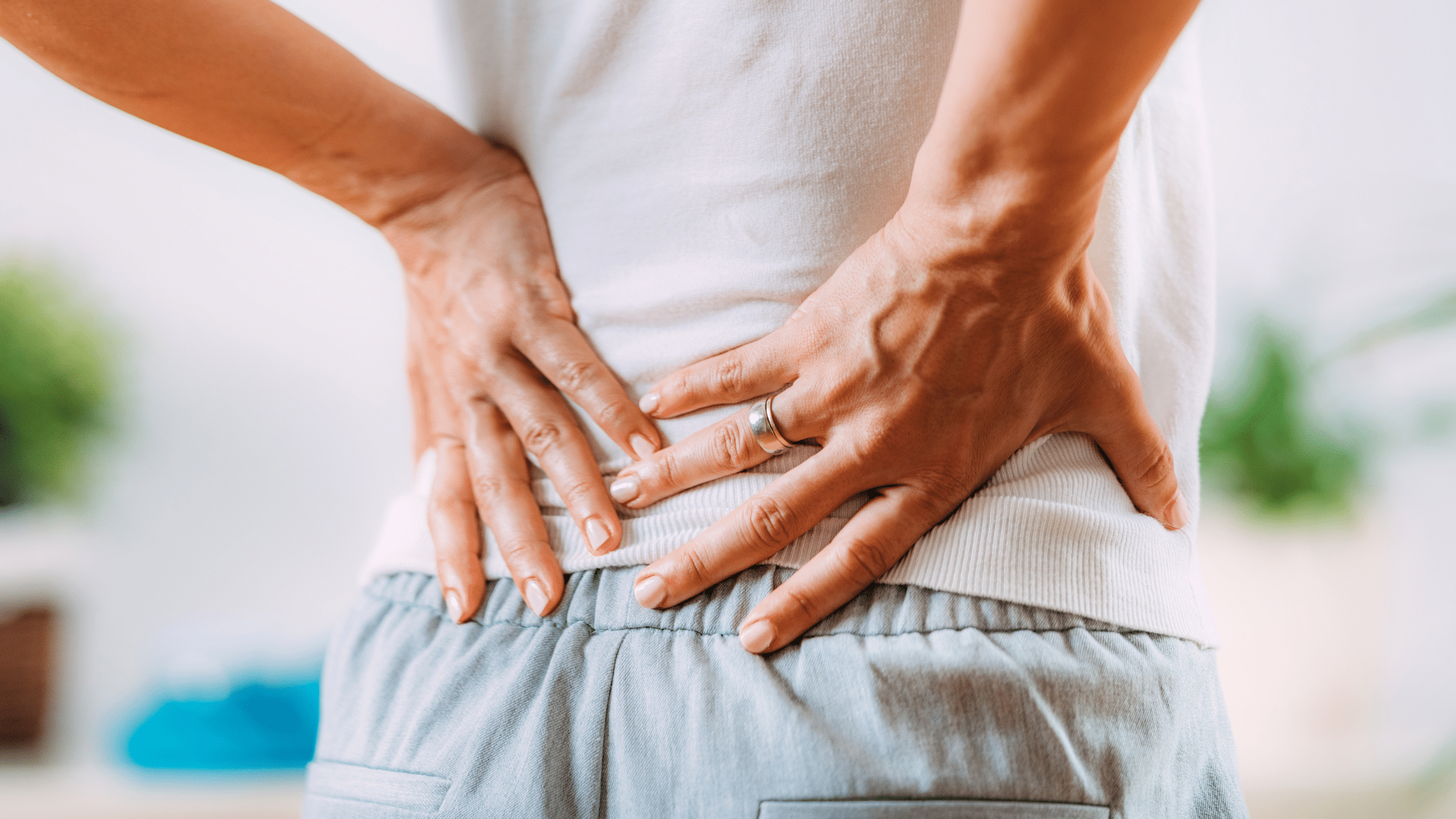
The symptoms of pelvic floor dysfunction can vary significantly from one person to another, but some common signs include pelvic pain, pressure in the pelvic region, urinary urgency, painful urination, constipation, and discomfort when sitting. Women may also experience pain during or after intercourse, while some individuals report lower back or hip discomfort.
Because these symptoms often overlap with musculoskeletal pain and nerve-related issues, they can be mistaken for other conditions. For this reason, proper assessment is crucial. Not every pelvic symptom comes from the same underlying cause, which is why individualized care is important. It’s not just about treating the symptom—it’s about understanding why the symptom exists and addressing it with a comprehensive, evidence-based approach.
Why Pelvic Floor Dysfunction Happens
Pelvic floor dysfunction can stem from a variety of contributors. These include muscle overactivity, previous injuries, chronic postural strain, nerve irritation, and prolonged periods of sitting. In women, childbirth recovery can be a significant factor, as can surgery or other medical conditions affecting the pelvic region.
The pelvic floor is intricately connected to the hips, low back, abdominal wall, and sacral mechanics. If any of these areas experience dysfunction, it can lead to pelvic floor issues. For example, muscle imbalances or tension in the hip flexors and low back can directly impact the pelvic floor muscles, exacerbating symptoms. This is why it’s critical to approach pelvic floor dysfunction from an anatomy-based and diagnosis-informed perspective. By assessing all contributing factors, a more targeted treatment plan can be developed.
How Acupuncture for Pelvic Floor Dysfunction May Help
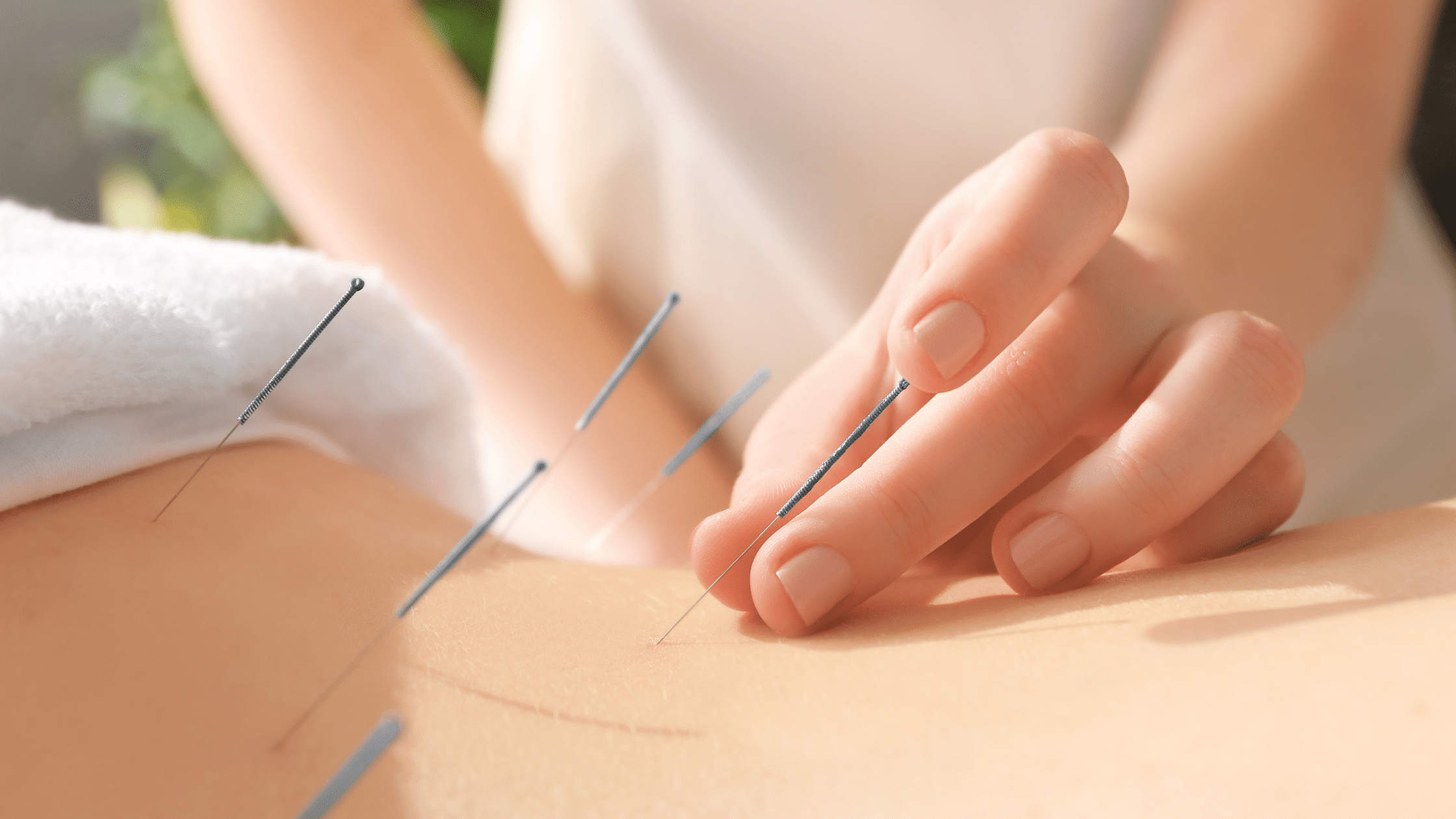
Acupuncture can offer significant benefits for those suffering from pelvic floor dysfunction. The key mechanism by which acupuncture helps is through its ability to modulate pain, reduce muscle tension, and improve local tissue sensitivity. Acupuncture works by stimulating specific points on the body that influence the nervous system, which in turn helps calm irritated nerves and reduce muscle guarding.
When the pelvic floor muscles are tight or overly active, acupuncture can help promote relaxation and improve muscle coordination. For those with nerve irritation or pain, acupuncture can support pain modulation and restore a sense of balance to the affected region. It’s important to note that acupuncture is just one part of a comprehensive treatment plan and should be considered in conjunction with other therapeutic modalities for the best results.
Acupuncture may offer a range of benefits for individuals with pelvic floor dysfunction. Some of the most common benefits include:
Reduced pelvic pain: By helping to release muscle tension and reduce irritation of nerves, acupuncture can significantly alleviate pelvic discomfort.
Improved comfort when sitting: Patients often experience improved comfort while sitting, which can be a major relief for those who experience pelvic pain while seated.
Better tolerance for daily activities: Acupuncture may support better overall function, allowing patients to return to their usual daily activities with less discomfort.
Decreased muscle tension: Acupuncture can help release chronic muscle tightness, which is often a key contributor to pelvic floor dysfunction.
Support for symptom management: Acupuncture can be an effective tool in managing symptoms over time, helping to provide longer-lasting relief.
However, it’s important to emphasize that these benefits will vary from patient to patient. The specific outcomes depend on the individual’s unique presentation, including their symptoms, history, and underlying contributing factors. No two patients are alike, which is why a personalized treatment approach is critical.
What to Expect During Evaluation and Treatment
When you come to the clinic for acupuncture treatment, the first step is a thorough clinical assessment. Dr. Jordan Barber will evaluate your symptoms, movement patterns, pain behavior, and related structures. This detailed assessment will help him understand the root causes of your pelvic floor dysfunction and determine the most appropriate treatment plan for your needs.
During a treatment session, you may receive acupuncture to specific points in the body that relate to the pelvic floor muscles, nerves, or other affected areas. In some cases, Orthopedic Dry Needling & Acupuncture may also be used to target deeper muscle tissues. Depending on your individual case, additional techniques like Pelvic Floor Dry Needling may also be incorporated.
The treatment process is designed to be clear, respectful, and based on clinical reasoning. Dr. Barber’s goal is to provide you with a treatment plan that makes sense and aligns with your specific needs, all while respecting your comfort and preferences.
How Many Sessions Might Be Needed?
The number of acupuncture sessions required for pelvic floor dysfunction varies depending on factors like the severity and duration of your symptoms, contributing factors, and how you respond to treatment. Some patients see improvement quickly, often within a few sessions, while others may need more time to address complex or long-standing issues.
It’s important to have honest communication with your practitioner about your progress and treatment goals. Treatment plans are not one-size-fits-all and should be reassessed regularly to ensure that the therapy is effective and aligned with your needs. This approach ensures that patients receive the best possible care, tailored specifically to their individual situation.
When Acupuncture Makes Sense and When Other Care May Be Needed
Acupuncture can be particularly effective for managing pelvic floor dysfunction when pain, muscle tension, or nerve irritation are the primary contributors. However, it’s important to recognize that acupuncture does not replace medical evaluation, especially when “red flag” symptoms are present. For some patients, coordination with other healthcare providers—such as pelvic floor physical therapists- may be necessary to address more complex issues.
In some cases, acupuncture may be most effective as part of a multidisciplinary treatment plan, working alongside other therapies to address all aspects of the dysfunction. Dr. Barber always emphasizes the importance of a comprehensive, integrative approach to care.
Choosing the Right Provider for Pelvic Floor Symptoms
When seeking care for pelvic floor dysfunction, it’s essential to choose a provider who understands the complexity of these conditions. Look for a licensed professional who is well-versed in pain patterns, pelvic anatomy, and neurological symptoms. Dr. Barber’s clinic provides careful, assessment-driven care focused on meaningful improvement rather than ongoing treatments with no clear end in sight. His commitment to clear explanations and patient education ensures that you understand the process and can make informed decisions about your care.
Conclusion
Pelvic floor dysfunction is a multifaceted condition that often involves muscles, nerves, and surrounding structures. Acupuncture for pelvic floor dysfunction can play an important role in helping to manage symptoms, reduce pain, and improve overall function when it is integrated into a comprehensive treatment plan. By taking an anatomy-based, diagnosis-informed approach, acupuncture can help address the root causes of dysfunction, leading to meaningful improvements in your health and comfort. If you’re struggling with pelvic floor symptoms, don’t hesitate to contact Dr. Jordan Barber to schedule an appointment and find out whether acupuncture is right for you.
FAQs
What are the common causes of pelvic floor dysfunction? Pelvic floor dysfunction can result from muscle overactivity, nerve irritation, chronic pain, childbirth recovery, surgery, or prolonged sitting. Proper assessment is key to understanding the underlying cause.
How long does it take to see results from acupuncture for pelvic floor dysfunction? The timeline for improvement varies from patient to patient. Some individuals experience relief after a few sessions, while others may require more time for comprehensive treatment.
Is acupuncture the only treatment for pelvic floor dysfunction? No, acupuncture is often part of a larger treatment plan. For some patients, coordination with pelvic floor physical therapy or other medical interventions may be necessary.
How can I tell if acupuncture is right for me? If you are experiencing pelvic pain, muscle tension, or nerve irritation, acupuncture may be a helpful part of your treatment plan. A thorough evaluation with a licensed professional will help determine if acupuncture is appropriate for your symptoms.
How often should I see Dr. Jordan Barber for treatment? Treatment frequency depends on the severity and duration of your symptoms. Dr. Barber will work with you to develop a plan that suits your needs and reassess your progress regularly.
Pelvic pain often stems from identifiable muscle and nerve dysfunction, not a mystery that needs to be managed indefinitely. Patients searching for pelvic floor acupuncture NYC are usually looking for…
The signature of sciatica is hard to mistake. A sharp pain shoots from the lower back or buttock down the back of the leg, sometimes with numbness, tingling, or a…
You rested it. You stretched it. You waited for it to calm down the way every minor ache eventually does. Yet weeks later, the shoulder still aches when you reach…
Ready when you are.
Limited spots each week — book now to reserve yours.
Evidence-based acupuncture and dry needling on the Upper West Side. From chronic pain and headaches to pelvic floor dysfunction, Dr. Jordan Barber pairs the highest level of training with care that actually listens.
This site does not provide medical advice. Always consult a qualified healthcare professional before making changes to your health. Read our full disclaimer.