Dry Needling for TMJ for Muscle Tightness and Trigger Points
Reviewed by Dr. Jordan Barber, DACM, L.Ac.
April 27, 2026
8 min read
Experiencing jaw pain, facial tightness, clicking, or headaches can quickly interfere with basic daily activities like eating, speaking, and even sleeping. Many people suffering from these symptoms don’t realize that they might be dealing with more than just an issue with the jaw joint itself. Temporomandibular Joint Disorder (TMJ) is often misunderstood, as its symptoms can arise from a combination of factors, especially muscle tightness and trigger points. If you’ve been dealing with these frustrating issues and haven’t found lasting relief, dry needling may provide an effective, clinically grounded approach. This blog will break down how Dry Needling for TMJ works, how it can help with muscle tightness and trigger points, and what to expect during treatment.
Understanding TMJ and Why Muscle Tightness Matters
TMJ, or Temporomandibular Joint Disorder, refers to pain and dysfunction in the jaw joint, which connects the lower jaw (mandible) to the skull. This joint allows you to open and close your mouth for basic functions like speaking and chewing. While the joint itself is important, TMJ-related pain often stems from muscle tightness surrounding the jaw, face, neck, and upper shoulders. These muscles, particularly those responsible for chewing (the masseter, temporalis, and pterygoid muscles), can become overworked, leading to pain and dysfunction in the jaw joint.
Muscle tightness in the jaw area can create a cycle of discomfort and restricted movement. Additionally, trigger points, specific areas within tight muscles, can refer to pain in other parts of the face, head, neck, or even the ears, exacerbating symptoms and making it harder to pinpoint the source of the pain. Addressing muscle tightness and trigger points is critical for a comprehensive treatment plan, and this is where dry needling comes into play.
Common Symptoms That May Be Related to TMJ Muscle Dysfunction
TMJ-related muscle dysfunction can manifest in several ways. Common symptoms include jaw pain, difficulty or tightness when chewing, limited mouth opening, and clicking or popping sounds when moving the jaw. Many individuals also experience facial soreness, tension headaches, and discomfort in the neck. In some cases, people may notice additional symptoms like ear pressure, tooth sensitivity, or deep pain that feels like it’s coming from the joint but is actually originating from the muscles around it.
These symptoms are often the result of muscular overload, nerve irritation, or altered mechanics within the jaw, rather than a single issue with the jaw joint itself. Understanding these underlying causes is crucial for developing an effective treatment plan. Often, when patients experience TMJ symptoms, the muscles and trigger points contribute significantly to the overall pain and discomfort.
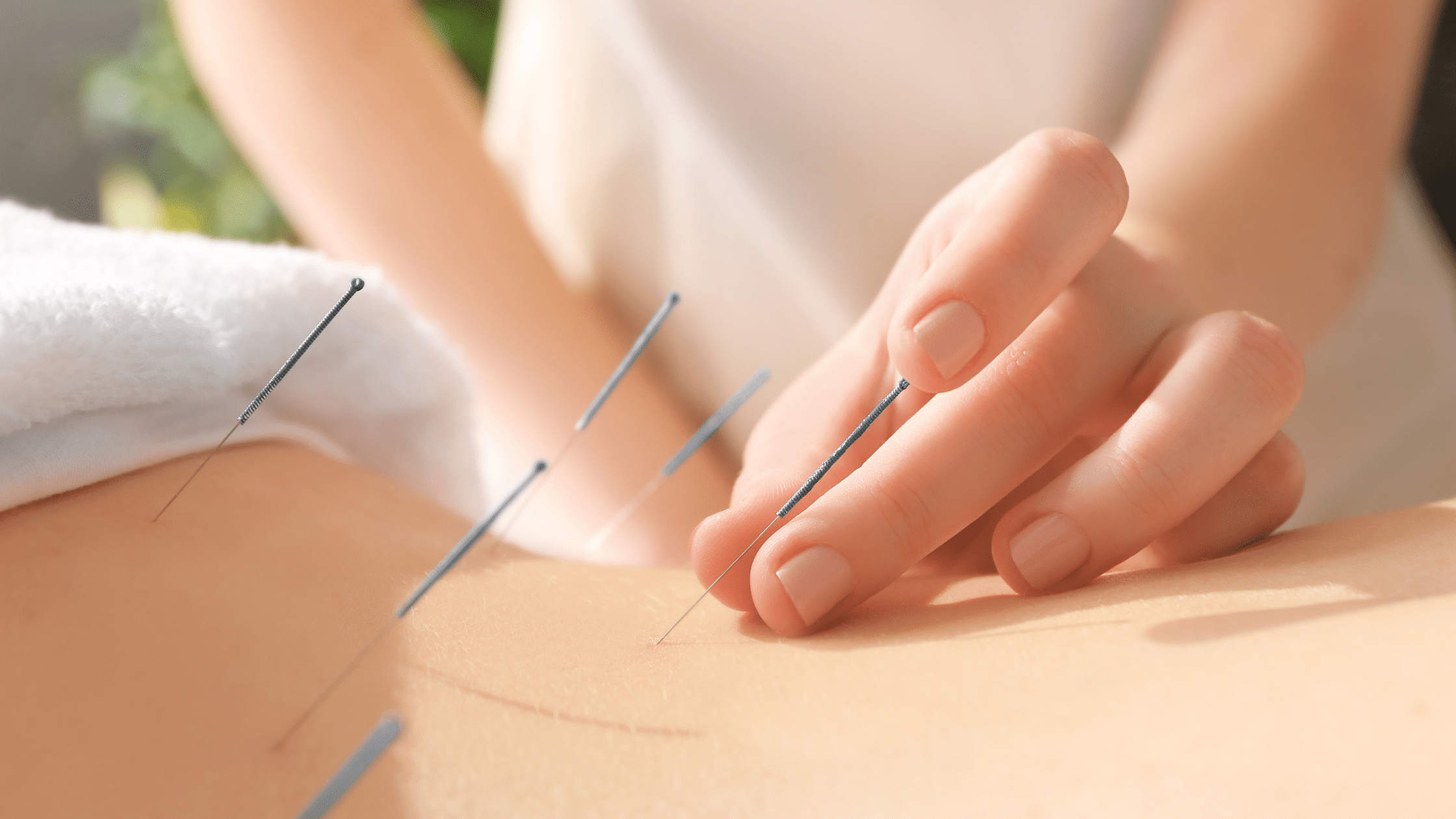
Dry needling is an evidence-based treatment technique used to target muscle tightness and trigger points that contribute to pain and dysfunction. The process involves inserting a thin needle into specific areas of tight muscle bands. These needles stimulate the muscle tissue and create a “twitch” response, which helps release the muscle’s tension and improve blood flow to the affected area.
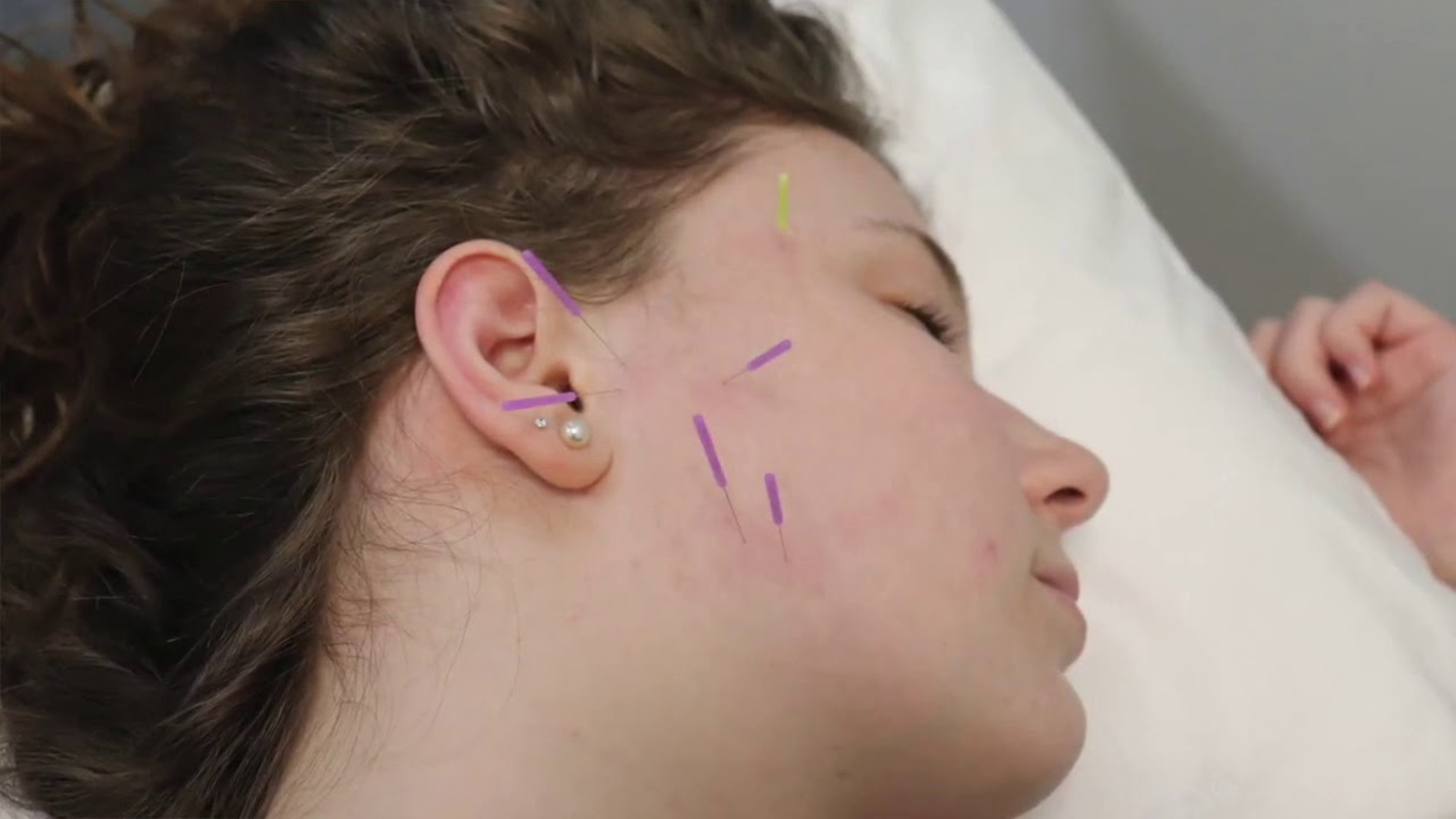
For Dry Needling for TMJ, the focus is on muscles around the jaw, face, neck, and shoulders. By inserting needles into these tight muscles, dry needling can effectively address the root causes of TMJ symptoms. Unlike traditional acupuncture, which focuses on energy pathways, dry needling is grounded in functional anatomy and targeted to relieve specific muscle-related pain and dysfunction.
How Dry Needling Works
Dry needling works by targeting tight muscular bands and trigger points in the jaw and surrounding areas. When muscles become overly tight or fatigued, they can develop trigger points—small, tight knots that can refer pain to other areas. By inserting a needle into these trigger points, dry needling helps release the tension and alleviate pain, improving overall muscle function and movement.
For TMJ, the needling process is tailored to your specific symptoms and areas of tightness. A Neuro-Functional Acupuncture approach may also be used, especially if there is neurological involvement contributing to pain patterns. Dry needling works to reduce muscle guarding and improve tissue response, helping relieve discomfort and restore proper movement.
Why Trigger Points Matter
Trigger points play a significant role in TMJ-related pain. These hyperirritable spots within a muscle can cause local tenderness and refer to pain in other areas of the head, face, neck, and even the ears. Trigger points in the masseter, temporalis, or other muscles involved in chewing can lead to discomfort in areas that seem unrelated to the jaw itself, such as tension headaches or ear pressure. In some cases, these trigger points may also contribute to conditions like Pudendal Neuralgia, where nerve compression or irritation leads to pain in the pelvic region.
Addressing these trigger points through dry needling can help reduce muscle guarding, improve movement, and decrease pain sensitivity. Additionally, incorporating Clinical Herbal Medicine may support the healing process by targeting inflammation and promoting muscle relaxation. Targeting the muscles responsible for the dysfunction helps to break the cycle of pain and discomfort that often accompanies TMJ.
Before beginning any treatment, including dry needling, it’s essential to conduct a thorough assessment. Not all TMJ pain is primarily caused by muscle tightness, so a comprehensive evaluation is crucial for understanding the root causes of the symptoms. TMJ issues may also involve the cervical spine (neck), posture, bite forces, stress-related clenching, or even breathing mechanics. These factors can contribute to muscle tension in the jaw and surrounding areas.
An assessment-driven approach ensures that the treatment is tailored to the individual and based on a solid understanding of their specific condition. Dry Needling for TMJ is effective when combined with a thorough evaluation of the patient’s symptoms, history, and functional movement patterns. This personalized approach ensures that treatment is targeted and effective.
What to Expect During an Appointment
During your appointment, you can expect a thorough evaluation of your symptoms, including a review of your medical history, movement testing, and palpation of the jaw and neck muscles. Dr. Jordan Barber will assess contributing factors, such as posture, jaw movement, and muscle tightness. Based on these findings, a treatment plan will be developed.
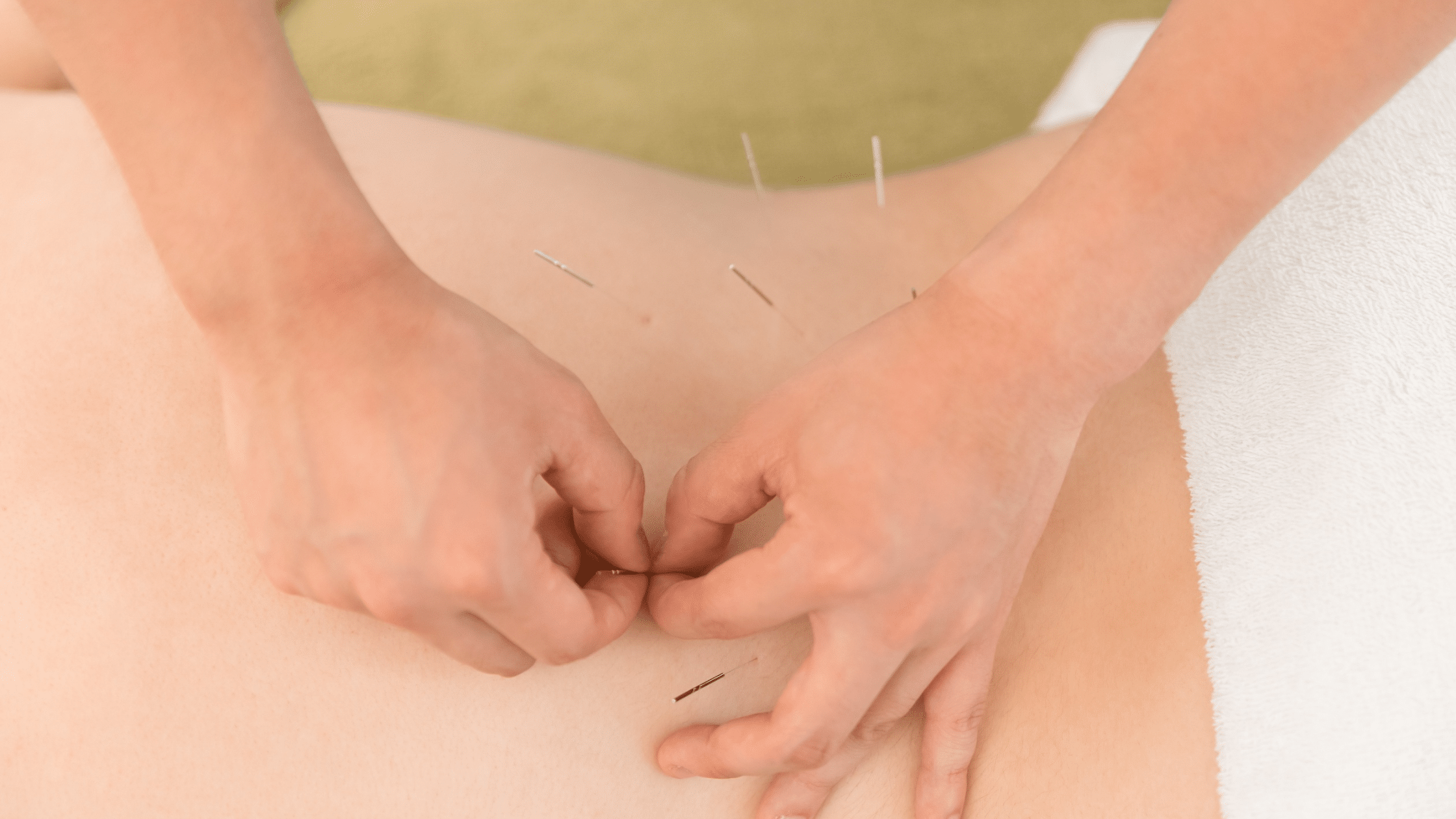
If dry needling is part of your treatment plan, the procedure will involve the careful insertion of fine needles into the identified muscle groups. The treatment may also include other complementary strategies, such as Orthopedic Dry Needling & Acupuncture, to address related issues in the neck and upper body. Throughout the process, Dr. Barber will provide clear explanations of the treatment and answer any questions you may have. The goal is to ensure that you understand how the treatment will help and what to expect.
Who May Be a Good Candidate for Dry Needling for TMJ
Dry needling is often recommended for individuals experiencing muscle tightness, trigger point-related facial pain, or restricted jaw motion caused by TMJ dysfunction. If your TMJ symptoms are linked to muscle-related issues, dry needling can help alleviate discomfort and restore movement. Patients who experience tension from clenching, jaw pain when chewing, or discomfort that seems to originate from the neck and upper shoulders may also benefit from this treatment.
It’s important to note that dry needling is typically part of a broader treatment plan. Many patients with TMJ symptoms also work with other healthcare providers, such as dentists or physical therapists, to address other contributing factors like bite alignment, posture, or stress-related clenching.
How Dry Needling Fits Into a Broader TMJ Treatment Plan
While Dry Needling for TMJ is highly effective in relieving muscle tightness and trigger points, it’s just one part of a comprehensive treatment plan. To achieve the best results, a holistic approach that includes attention to posture, cervical spine mechanics, bite alignment, and stress management may be necessary.
Dry needling can be a focused treatment tool within a broader diagnostic process. By addressing the muscle tension contributing to TMJ symptoms, dry needling can provide relief and help improve movement. However, to ensure long-term success, it’s important to consider other factors that may be influencing the condition, such as posture, breathing mechanics, or emotional stress.
Choosing the Right Provider for TMJ Care
When choosing a provider for TMJ care, it’s important to look for someone with strong clinical reasoning and a deep understanding of musculoskeletal pain patterns. A knowledgeable provider should be able to explain what they are finding during your evaluation and how each aspect of your treatment plan is designed to address your symptoms. It’s crucial to avoid providers who offer vague or generic treatments without explaining the rationale behind their approach.
Collaboration with other healthcare professionals, such as dentists, physical therapists, or medical doctors, may also be appropriate depending on the complexity of your case. Good care is based on clear communication, coordination, and a thoughtful approach to treatment.
Conclusion
TMJ symptoms often involve more than just the jaw joint itself. Muscle tightness and trigger points play a significant role in the pain and dysfunction associated with TMJ disorders. Dry Needling for TMJ can be an effective way to target these muscular issues, alleviate pain, and restore normal movement. However, treatment must be based on a thorough clinical assessment to ensure the best possible outcomes. If you’re struggling with jaw pain, muscle tightness, or other TMJ-related symptoms, contact Dr. Jordan Barber to schedule an evaluation and find out whether this clinical approach is appropriate for you.
FAQs
What causes TMJ dysfunction? TMJ dysfunction can result from muscle tightness, postural strain, stress-related clenching, misaligned bite forces, or other factors that affect the jaw and surrounding muscles.
Is dry needling painful? While dry needling involves inserting fine needles into tight muscles, the sensation is typically mild and temporary. Some patients may feel a brief “twitch” response, but discomfort usually subsides quickly.
How many sessions of dry needling are needed for TMJ? The number of sessions depends on the severity of symptoms. Some patients experience relief after a few sessions, while others may require a more extended treatment plan.
Can dry needling cure TMJ? Dry needling can help alleviate symptoms associated with TMJ, but it is typically part of a broader treatment plan that includes posture correction, bite alignment, and stress management.
Should I see a dentist for TMJ? Yes, in some cases, a dentist may be involved in diagnosing and treating TMJ disorders, especially if bite alignment or other dental factors are contributing to the problem. Coordination between healthcare providers is essential for optimal care.
Pelvic pain often stems from identifiable muscle and nerve dysfunction, not a mystery that needs to be managed indefinitely. Patients searching for pelvic floor acupuncture NYC are usually looking for…
The signature of sciatica is hard to mistake. A sharp pain shoots from the lower back or buttock down the back of the leg, sometimes with numbness, tingling, or a…
Pelvic floor symptoms have a way of disrupting everything. Pressure that builds as the day goes on, pain with sitting, urgency that interrupts your routine, and discomfort during ordinary activity…
Ready when you are.
Limited spots each week — book now to reserve yours.
Evidence-based acupuncture and dry needling on the Upper West Side. From chronic pain and headaches to pelvic floor dysfunction, Dr. Jordan Barber pairs the highest level of training with care that actually listens.
This site does not provide medical advice. Always consult a qualified healthcare professional before making changes to your health. Read our full disclaimer.