Choosing a needling option for pelvic pain can feel high-stakes because symptoms often affect sitting, sleep, exercise, and intimacy. When comparing options through the lens of Dry Needling vs. Acupuncture for Pelvic Pain: What’s the Difference?, the most useful focus is how each method is assessed, what it targets, and how it fits into a complete pelvic floor plan. This guide breaks down comfort, safety, licensing in NYC, and how to decide based on your presentation and goals.
Quick Answer: How They’re Similar (and Why People Confuse Them)
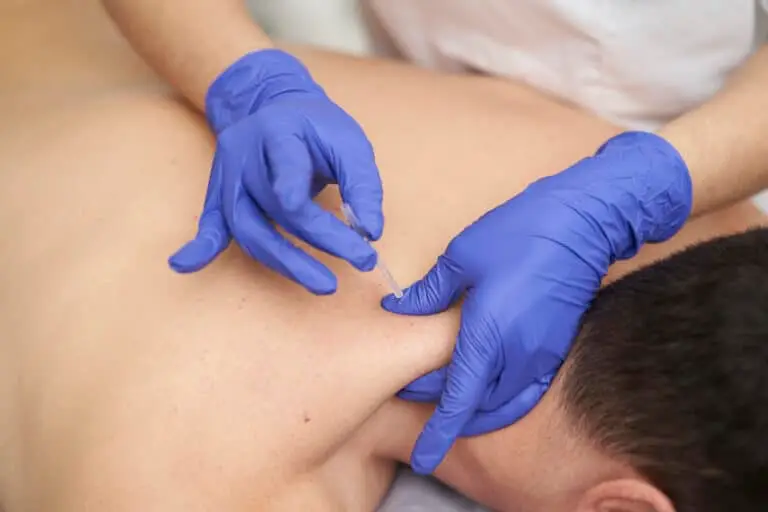
- Both use solid, sterile filiform needles and can be used to reduce pain and sensitivity in pelvic and hip regions.
- Both can be integrated with pelvic floor physical therapy, breathing retraining, and movement retraining.
- This article’s framing is simple: dry needling can be viewed as a historically related needling approach with a targeted biomechanical focus, while acupuncture often takes a broader system lens.
- For New York City patients, availability and licensure can differ, and a proper “pelvic pain” evaluation should include screening, a musculoskeletal exam, and a plan that extends beyond needling.
In practice, many patients confuse the two because the tools look the same and the session experience can overlap. The bigger difference is usually the clinician’s assessment style, scope of practice, and how the needling is paired with rehab, manual therapy, and lifestyle changes.
Pelvic Pain Patterns That Commonly Lead People to Consider Needling
- Pelvic floor muscle overactivity, trigger points, myofascial pain, hip rotator tension, and abdominal wall sensitivity.
- Common presentations include pain with sitting, dyspareunia, urinary urgency, urinary frequency, postpartum pelvic pain, and endometriosis-associated pain as part of a care team.
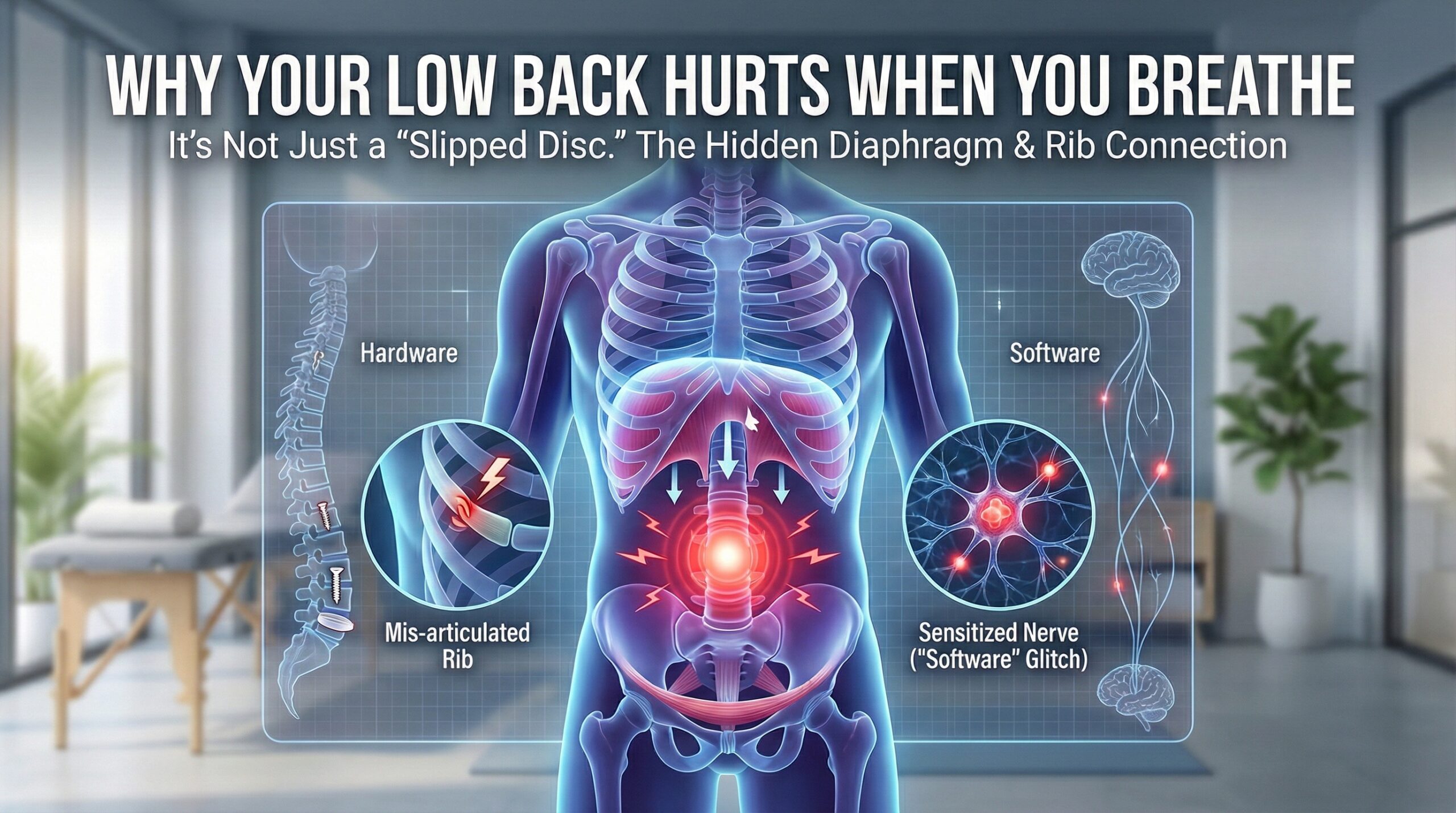
Pelvic pain often behaves like a “regional problem” rather than a single spot. That is why gluteal muscles, adductors, hip flexors, the abdominal wall, and even low back pain and hip pain patterns frequently show up in the same exam.
Another pattern that brings people to needling is pudendal neuralgia, which can present as burning, tingling, or sharp pain in the perineum, rectum, vulva, penis, or clitoris, often worse with sitting. Because nerve irritation can be mistaken for “tight muscles,” a good exam should screen for nerve sensitivity and contributing mechanics, then decide whether needling is appropriate and where it should be applied.
What Each Approach Targets in Pelvic Pain Care
- Dry needling emphasis: neuromuscular trigger points, myofascial restrictions, local tissue sensitivity, and motor control changes.
- Acupuncture: point selection based on symptom patterns, nervous system modulation, pain processing, and whole-body regulation.
- Outcomes depend heavily on the clinician’s assessment, point selection, and how needling is paired with rehab, a home exercise program, and day-to-day behavior changes.
- Pelvic pain is rarely “one tissue/one fix,” so needling is typically one tool inside a treatment plan.
Dry needling is commonly described as myofascial trigger point therapy with a needle, aiming at specific trigger points and neuromuscular dysfunction that contribute to muscle tension and muscle guarding. Acupuncture often uses a wider point strategy to influence pain modulation, stress response, and symptom regulation across systems, while still being very concrete in how points are chosen and progressed.
If you want an example of how clinics blend these strategies for pelvic symptoms, see pelvic floor acupuncture midtown for tightness pressure and discomfort. If your symptoms connect more strongly to hip mechanics or post-surgical compensation, hip replacement pain dry needling acupuncture is a helpful related read.
Mechanisms Patients Can Understand (Without Overpromising)
- Local effects can include reduced muscle guarding, improved tissue glide, and decreased referred pain from trigger points.
- System effects can include changes in pain modulation, stress response, sleep, and movement tolerance.
On the local side, a needle can change how a sensitive band of muscle behaves, which may reduce protective tension that keeps the pelvic floor “on.” On the system side, needling may help calm amplified pain processing and central sensitization, which is common in persistent pelvic pain, especially when symptoms have been present for months or years.
Another common contributor is peripheral sensitization, where irritated local tissues or nerves become more reactive and “turn up” pain signals with touch, stretch, or pressure. In pelvic pain, this can show up as disproportionate tenderness in the pelvic floor, adductors, abdominal wall, or around irritated nerves, and it helps explain why a light stimulus can feel sharp or burning.
A key point for pain management is that “mechanism” does not guarantee a specific outcome in every body. Evidence-informed practice means your clinician tests and retests what changes, then adjusts the plan rather than repeating the same protocol.
Internal vs External Needling Considerations in Pelvic Pain
- External regions often involved include glutes, adductors, hip flexors, low back, and the abdominal wall.
- Internal pelvic floor needling, when offered, requires specialized training, informed consent, and a clear clinical rationale.
Most pelvic pain plans start externally because many drivers are outside the pelvic floor itself. When internal pelvic floor assessment findings clearly support it, internal techniques may be considered, but they should never be automatic or rushed.
Internal work should also be trauma-informed care by default. That means you can pause, decline any step, and expect clear explanations of why a technique is being proposed and what alternatives exist.
Training, Licensing, and Safety in New York City
- Who typically provides each service in NYC: physical therapist or chiropractors are not allowed to perform dry needling, a licensed acupuncturist is the only provider allowed to perform dry needling or acupuncture in NYS.
- What “qualified” looks like: pelvic health specialist training, documented training hours, mentoring, and a safety-first screening process.
- Safety essentials: sterile single-use needles, clean needle technique, contraindication screening, and post-session guidance.
- Red flags that should prompt medical evaluation or co-management include fever, unexplained bleeding, rapidly worsening symptoms, new bowel or bladder changes, or acute neurologic changes.
In New York City, patients should also pay attention to scope of practice and licensure, because training pathways differ. For pelvic pain, the most important credential is not the label on the service, but whether the clinician can evaluate pelvic floor and related regions, identify contraindications, and integrate needling into a comprehensive plan.
If you are looking for deeper background on the overlap and science framing, dry needling trigger point acupuncture in nyc the science of resolving chronic pain expands on how trigger point work and acupuncture-style needling can be discussed without hype.
Questions to Ask a Provider Before Your First Session
- How much experience do you have with pelvic pain and pelvic floor patients, and how does your assessment drive point selection?
- If you suspect pelvic floor overactivity, do you perform an internal pelvic floor assessment when appropriate, and what is your decision process for internal vs external work?
- What training have you completed for pelvic pain needling, and do you have mentoring or advanced coursework beyond entry-level education?
- What does consent look like session-to-session, and how do you practice trauma-informed care?
- How do you handle soreness after needling, bruising risk, and flare-ups, and what should I do if symptoms spike after treatment?
- What is the plan outside of needling, such as downtraining, breathing retraining, manual therapy, mobility, strengthening, and a home exercise program?
A qualified provider should be able to explain needle retention time, expected sensations, and how follow-up visits are spaced based on irritability and response. They should also be comfortable coordinating with OB-GYN, urology, gastroenterology, or pain medicine when endometriosis, bladder pain syndromes, or complex presentations are in the mix.
NYC-Specific Practicalities
- Commuting and follow-up cadence matter, especially if you are traveling between Manhattan, Brooklyn, Queens, and nearby areas.
- Insurance coverage and superbills often differ, so verify benefits before starting because PT coverage and acupuncture coverage are commonly not the same.
Pelvic pain care usually works best with consistency, even if the sessions are not frequent. If your schedule makes weekly visits unrealistic, ask about a plan that emphasizes home work and strategic follow-up visits every 1 to 3 weeks, then tapering as you stabilize.
Side-by-Side Comparison for Pelvic Pain (Table + What It Means)
A comparison table helps, but pelvic pain decision-making is more about matching the approach to irritability, muscle guarding, and your movement limits. Use the table as a starting point, then choose based on assessment quality and how the clinician builds your treatment plan.
Feature Comparison Table (Insert in Article)
| Feature |
Dry Needling |
Acupuncture (delivered by a licensed acupuncturist) |
| Primary goal in pelvic pain |
Reduce trigger points, myofascial pain, and neuromuscular dysfunction that drives guarding |
Modulate pain processing and symptoms using broader point strategies plus local/regional points |
| Assessment style |
Biomechanical exam: movement, palpation, symptom reproduction, motor control |
Pattern-based symptom assessment plus palpation and point response, often with whole-body regulation goals |
| Typical needle technique |
Targeted placement into trigger points; may seek a twitch response when appropriate |
Point combinations; may include local and distal points without needing a twitch response |
| Needle retention time |
Often shorter retention or more “in and out” technique depending on goal |
Often longer retention, commonly several minutes depending on plan |
| Session duration |
Commonly aligned with PT session duration and paired with manual therapy, mobility, strengthening |
Often a full session focused on needling plus symptom regulation, sometimes with lifestyle recommendations |
| Sensation |
Can feel crampy, achy, or sharp briefly; twitch response can feel like a quick grab or jump |
Often dull, heavy, warm, or tingling; intensity varies by point and sensitivity |
| Number of visits |
Usually a short series with reassessment, then taper as movement and tolerance improve |
Can be a series focused on regulation, then spaced out based on symptom stability |
| Best-fit pelvic pain patterns |
Clear myofascial trigger points, pelvic floor overactivity with hip/abdominal contributors, movement-limited pain |
Widespread sensitivity, stress and sleep dysregulation, headaches or IBS overlap, preference for whole-body approach |
What the table means in real life is this: if your exam is dominated by palpable trigger points, referred pain, and protective muscle tension that limits movement, dry needling inside pelvic floor physical therapy can be a direct fit. If your symptoms flare with stress, sleep disruption, and generalized sensitivity, acupuncture’s broader point strategies may be the better starting lane, especially if central sensitization is part of the picture.
Comfort matters, and it should be discussed plainly. A twitch response is not required for success, but when it happens it can feel like a quick involuntary jump in the muscle, followed by a looser sensation.
Most people have mild to moderate soreness after needling that feels like post-workout tenderness. When soreness happens, it commonly settles within 24 to 72 hours, and your provider should adjust dosage, point selection, and follow-up visits if you flare.
Realistic expectations protect you from overpromising. Pain relief is often incremental, and the most durable change usually comes when needling is paired with downtraining, breathing retraining, graded exposure to feared movements, and a home exercise program that you can actually follow.
How to Choose in New York: Best Use Cases and a Practical Verdict
- When dry needling is often a strong fit: clear myofascial trigger points, pelvic floor overactivity with hip and abdominal contributors, and movement-limited pain that responds to mechanical change.
- When acupuncture is often a strong fit: pelvic pain with sleep or stress dysregulation, widespread sensitivity, headaches or IBS overlap, and preference for a whole-body approach to pain modulation.
- When combining is best: persistent pelvic pain with mixed drivers, pairing targeted dry needling with acupuncture and a pelvic floor physical therapy plan of care.
- Practical verdict for “which is better”: neither is universally better, and the best option is the one matched to your presentation, tolerance, and goals, delivered by a pelvic-pain-trained clinician.
If endometriosis is part of your story, needling is typically supportive rather than a stand-alone solution, and co-management matters. For a related overview, see endometriosis dry needling acupuncture.
If vulvar pain is a primary symptom, selection and pacing are especially important, and external contributors often matter more than patients expect. You may also want to read finding relief from vulvodynia dry needling pelvic floor pain.
For readers specifically comparing pelvic floor dry needling options, this service page is a direct reference point: Pelvic Floor Dry Needling.
Suggested Care Pathway (What a High-Quality Clinic Does)
- Start with a pelvic pain evaluation: detailed history, screen red flags, assess pelvic floor, hip, and abdominal wall, and identify sensitivity drivers.
- Build a plan: needling plus downtraining, graded exposure, strengthening, mobility, education, and reassess every 2 to 4 visits.
A strong plan also clarifies what success looks like in daily life, such as sitting tolerance, reduced urinary urgency, improved intercourse comfort for dyspareunia, or returning to exercise without symptom spikes. It should also include pacing rules, flare management, and clear criteria for when to refer back to medical providers.
Neighborhoods and Landmarks Served (Local Relevance)
- Common NYC catchment areas include Upper East Side, Upper West Side, Midtown, Chelsea, Flatiron, SoHo, Tribeca, Financial District, Williamsburg, Park Slope, and Long Island City.
- Landmark references for orientation include Central Park, Grand Central Terminal, Penn Station, Union Square, and Bryant Park.
If you are commuting across boroughs, ask about scheduling that reduces travel fatigue, because long commutes can aggravate sitting pain. It is also reasonable to ask how a clinic structures follow-up visits so you are not stuck in an open-ended weekly cycle.
FAQs: Dry Needling and Acupuncture for Pelvic Pain
Q: What is better, dry needling or acupuncture?
Neither is universally better for pelvic pain. The best choice depends on whether your main driver is localized trigger point sensitivity and muscle guarding, broader pain regulation needs like stress and sleep disruption, or a mix that benefits from combining approaches after a pelvic pain assessment.
Q: Can dry needling help pelvic pain?
Yes, dry needling can help pelvic pain when symptoms are linked to myofascial trigger points, pelvic floor overactivity, or hip and abdominal wall contributors. It is often most effective when paired with pelvic floor physical therapy, manual therapy, breathing retraining, and a home exercise program that improves motor control and movement tolerance.
Q: Why do acupuncturists hate dry needling?
Most do not “hate” it, but there are real concerns about training standards, scope of practice, and marketing language when non-acupuncturists perform dry needling. In some states, the minimum education required for physical therapists or chiropractors to perform the technique is viewed by critics as insufficient for safety in higher-risk regions, so patients should focus on licensure, documented training, clean needle technique, and pelvic-pain-specific experience.
Q: What’s more effective than dry needling?
For many pelvic pain cases, a combined plan is more effective than any single tool. Education, pelvic floor downtraining, graded movement, manual therapy, and targeted needling (dry needling and/or acupuncture) based on exam findings often outperform a needle-only approach, especially when central sensitization and lifestyle contributors are present.
Final Takeaway for NYC Patients
Dry needling and acupuncture use the same type of filiform needles, but they often differ in assessment style, point strategy, and how they fit into a broader pelvic pain treatment plan. If you choose a clinician in NYC who screens red flags, explains contraindications, uses sterile single-use needles with clean needle technique, and builds a plan that includes movement retraining and downtraining, you are far more likely to get meaningful, durable progress than by choosing based on the label alone.