How Can Erectile Dysfunction Acupuncture in NYC Improve Blood Flow and Performance?
Reviewed by Dr. Jordan Barber, DACM, L.Ac.
May 18, 2026
7 min read
Erectile dysfunction affects an estimated 30 million men in the United States, according to the National Institute of Diabetes and Digestive and Kidney Diseases. Most are familiar with the pharmaceutical options. Fewer understand that the vascular and neurological mechanisms behind ED can be directly targeted through procedural treatment. Erectile dysfunction acupuncture in NYC, as practiced at Dr. Barber’s Clinic, isn’t a passive intervention. It works on the physiology of penile blood flow and autonomic nerve signaling, the same systems that PDE5 inhibitors attempt to influence, through a clinically targeted, anatomy-driven approach.
The Physiology Behind Erectile Dysfunction
To understand how any treatment for ED works, you first need to understand the mechanics of erection. An erection is a neurovascular event. It depends on two systems functioning in coordination: the vascular system, which must deliver and sustain adequate blood flow to the corpora cavernosa, and the autonomic nervous system, which must send the correct parasympathetic signal to initiate that flow.
When the parasympathetic nervous system activates, it triggers the release of nitric oxide from the endothelial cells lining the cavernous arteries. Nitric oxide causes smooth muscle relaxation within the arterial walls, allowing blood to flow rapidly into the erectile tissue. The expanding tissue then compresses the veins responsible for outflow, trapping blood and sustaining the erection.
ED occurs when this process is disrupted. The disruption can be vascular, meaning the arteries supplying the penis are not dilating adequately or are delivering insufficient flow. It can be neurogenic, meaning the nerve signal initiating the response is impaired. Or it can be a combination of both. Identifying which mechanism is dominant is the starting point for any effective treatment plan, and it’s where the clinical assessment at Dr. Barber’s Clinic begins.
How Acupuncture Acts on Vascular and Nerve Function
Our neurological acupuncture approach targets the nerve pathways and vascular mechanisms that govern erectile function through anatomically precise needle placement. This is not an energy-based or broadly stimulating treatment. The needle sites are selected based on their documented neurological and vascular significance.
At the nerve level, needling along the lumbar and sacral spine directly stimulates the nerve roots and pathways responsible for transmitting the parasympathetic erectile signal. The sacral parasympathetic outflow, arising from S2 to S4, is the primary driver of the vascular events that produce erection. Targeted needling at these nerve points promotes different parasympathetic activity and has been shown to influence autonomic nervous system output in a clinically measurable direction.
At the vascular level, the needling signal prompts local release of vasoactive mediators, including nitric oxide, which is the same molecule that PDE5 inhibitors like sildenafil work to preserve. Research published in the International Journal of Impotence Research has documented that acupuncture stimulates nitric oxide synthase activity in the penile tissue, supporting improved endothelial function and arterial dilation.
The clinical result is improved capacity for blood inflow and, over a structured treatment course, improved overall erectile response. The treatment does not produce an effect in a single session. It works cumulatively, building neurological and vascular adaptation over time.
Addressing Arterial Blood Flow Through Needling
Vascular ED often involves more than one contributing factor. Endothelial dysfunction, where the inner lining of the arterial wall loses its ability to respond normally to nitric oxide, is one of the most common. Smooth muscle hypertonicity within the penile tissue is another, where the cavernous smooth muscle fails to relax sufficiently to allow inflow. Both can be influenced through procedural needling.
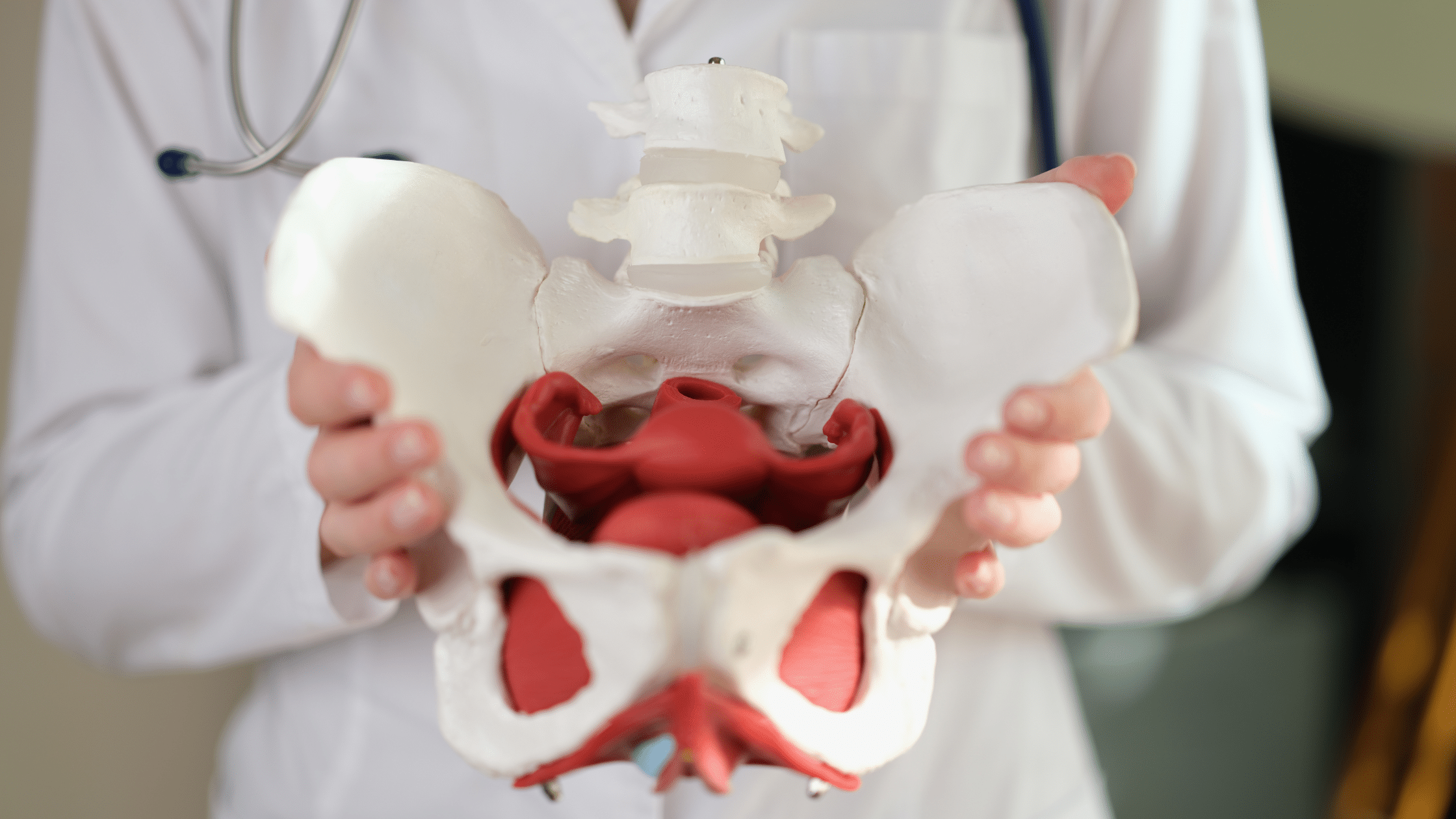
At Dr. Barber’s Clinic, needling protocols for vascular ED include pelvic and perineal points that sit in proximity to the cavernous nerve and internal pudendal artery, the primary vascular supply to the penis. Stimulating these areas promotes improved microcirculation in the pelvic vascular bed and directly engages the neurovascular structures responsible for erectile function.
Where electro-acupuncture is indicated, we add a low-frequency electrical current through the needles to amplify the neuromodulatory signal. This is clinically relevant for vascular presentations because electrical stimulation at specific frequencies has been shown to have differential effects on sympathetic and parasympathetic tone, allowing us to shift the autonomic environment in a direction that supports erectile function rather than inhibiting it.
This treatment complements rather than replaces vascular-focused medical care. For patients with significant cardiovascular risk factors, we communicate with their primary care physician or cardiologist. ED is frequently an early marker of systemic vascular disease, and a procedural treatment at our clinic does not replace the broader medical evaluation that should accompany it.
The most important step in treating ED effectively is the clinical assessment. Two men with ED may have completely different underlying physiology, and they should not receive the same treatment. At Dr. Barber’s Clinic, the intake process is comprehensive.
We gather a detailed history covering vascular health, medications, hormonal status, and the specific pattern of dysfunction: whether the problem is primarily with initiation, maintenance, or both, and whether morning erections are preserved. These details help distinguish vascular ED from neurogenic ED from psychogenic ED, each of which has a different primary target for treatment.
The neurogenic presentation, where the signal pathway from the nervous system to the penile tissue is impaired, is particularly well-suited to our acupuncture and nerve-focused treatment protocols. Men with lumbar spine conditions, pelvic floor hypertonia, or post-surgical nerve disruption often fall into this category. We assess pelvic floor muscle function as part of the ED workup because hypertonic pelvic floor muscles can directly compress the pudendal nerve and its branches, contributing to both pain and erectile impairment.
Men with mild to moderate ED who have not achieved full resolution through medication alone are often strong candidates. This includes those whose ED responds to PDE5 inhibitors but inconsistently, as well as those who cannot tolerate pharmaceutical side effects or prefer not to rely on medication long-term.
Men with neurogenic ED, particularly those with documented sacral nerve involvement, lumbar disc pathology, or pelvic floor dysfunction contributing to their symptoms, often see meaningful results because the treatment directly addresses the neurological pathway driving the problem.
Men with vascular ED benefit from the treatment’s effect on nitric oxide-mediated arterial dilation and improved pelvic microcirculation, though the magnitude of improvement depends on the severity and reversibility of the underlying vascular change.
This treatment is not a substitute for cardiology or endocrinology evaluation when those assessments are clinically indicated. Erectile dysfunction with a significant vascular component warrants a complete cardiovascular workup, and any hormonal deficiency should be identified and addressed in parallel.
Conclusion
Erectile dysfunction acupuncture in NYC at Dr. Barber’s Clinic targets the vascular and neurological mechanisms behind compromised erectile function directly, through anatomically precise needling that works at the level of the nerve pathway and the arterial wall. For men who want to understand and treat the physiology of their ED rather than temporarily manage it, this represents a clinically grounded option with a growing evidence base.
At Dr. Barber’s Clinic
Dr. Jordan Barber is a medical practitioner specializing in procedural pain treatment and neuro-functional acupuncture. We treat erectile dysfunction using neurological acupuncture and electro-acupuncture protocols designed around each patient’s specific vascular and nerve physiology. Our approach is clinical, evidence-based, and focused on measurable outcomes, not symptom suppression.
Can acupuncture actually improve erectile dysfunction?
Yes, through specific mechanisms. Acupuncture targeted at lumbar, sacral, and pelvic nerve points influences parasympathetic nerve output and promotes nitric oxide-mediated vascular dilation in the penile tissue. The evidence for this mechanism is documented in peer-reviewed research, and clinical outcomes support its use as part of a structured ED treatment protocol.
How does acupuncture improve blood flow for ED?
Needling at anatomically selected points stimulates the release of nitric oxide from endothelial cells lining the cavernous arteries. Nitric oxide causes smooth muscle relaxation in the arterial wall, increasing blood inflow capacity. Electro-acupuncture amplifies this signal and additionally modulates sympathetic vs. parasympathetic tone, creating a more favorable autonomic environment for erectile function.
How many sessions does it take to see improvement?
Most patients notice initial changes within 4 to 6 sessions. A full structured treatment course typically runs 8 to 12 sessions, with outcome measures assessed at regular intervals. Vascular presentations generally require more sessions than neurogenic ones, and results are cumulative rather than immediate.
Is ED acupuncture safe alongside PDE5 inhibitors?
In most cases, yes. Acupuncture and PDE5 inhibitors work through complementary but independent mechanisms and are not pharmacologically contraindicated together. Dr. Barber reviews all current medications during the initial assessment to ensure there are no clinical concerns specific to the individual patient.
What’s the difference between vascular ED and neurogenic ED?
Vascular ED involves impaired blood delivery to the penile tissue, most commonly due to endothelial dysfunction or reduced arterial dilation capacity. Neurogenic ED involves disruption of the nerve signaling pathway that initiates the erectile response, often related to sacral nerve involvement, pelvic floor dysfunction, or spinal conditions. Both can be present simultaneously, which is why clinical assessment before treatment is essential.
Pelvic pain often stems from identifiable muscle and nerve dysfunction, not a mystery that needs to be managed indefinitely. Patients searching for pelvic floor acupuncture NYC are usually looking for…
Stress-related erectile dysfunction is more physiologically complex than most men realize. When chronic stress disrupts the autonomic nervous system, the downstream effect on erectile function is measurable, not psychological. ED…
Pudendal neuralgia is one of the most misunderstood and undertreated chronic pain conditions in clinical medicine. Patients frequently spend years cycling through providers before receiving an accurate diagnosis, and even…
Ready when you are.
Limited spots each week — book now to reserve yours.
Evidence-based acupuncture and dry needling on the Upper West Side. From chronic pain and headaches to pelvic floor dysfunction, Dr. Jordan Barber pairs the highest level of training with care that actually listens.
This site does not provide medical advice. Always consult a qualified healthcare professional before making changes to your health. Read our full disclaimer.