A vasectomy is a common and highly effective surgical procedure for male sterilization. It involves cutting or sealing the vas deferens to prevent sperm from entering the ejaculate. While it is considered safe with a short recovery time, some men may experience side effects.
Most post-procedural side effects are acute, mild, and resolve within one to two weeks. These can include:¹
Testicular pain or discomfort
Swelling or bruising (hematoma) in the scrotal area
Infection at the incision site
While the majority of men have an uncomplicated recovery, it is crucial for clinicians and patients to be aware of the potential for more persistent complications.
Understanding Post-Vasectomy Pain Syndrome (PVPS)
Post-vasectomy pain syndrome (PVPS) is a significant, though uncommon, complication. It is defined as chronic, bothersome scrotal or testicular pain lasting three months or longer after the procedure. The pain can be constant or intermittent and may radiate to the groin or lower abdomen.² While prevalence estimates vary, studies suggest that approximately 1-2% of men experience chronic pain that is severe enough to impact their quality of life.³
The precise causes of PVPS are not fully understood but are thought to be multifactorial. Key proposed mechanisms include:
Epididymal Congestion: A buildup of pressure in the epididymis from continued sperm production.
Sperm Granuloma: An inflammatory mass that forms when sperm leaks from the cut end of the vas deferens.
Nerve Damage: Injury or entrapment of small nerves within the spermatic cord during the procedure, leading to neuropathic pain.¹,²
Prompt identification and a comprehensive diagnostic approach are vital for managing PVPS effectively and improving a patient’s quality of life.
Causes of Lower Stomach Pain After Vasectomy
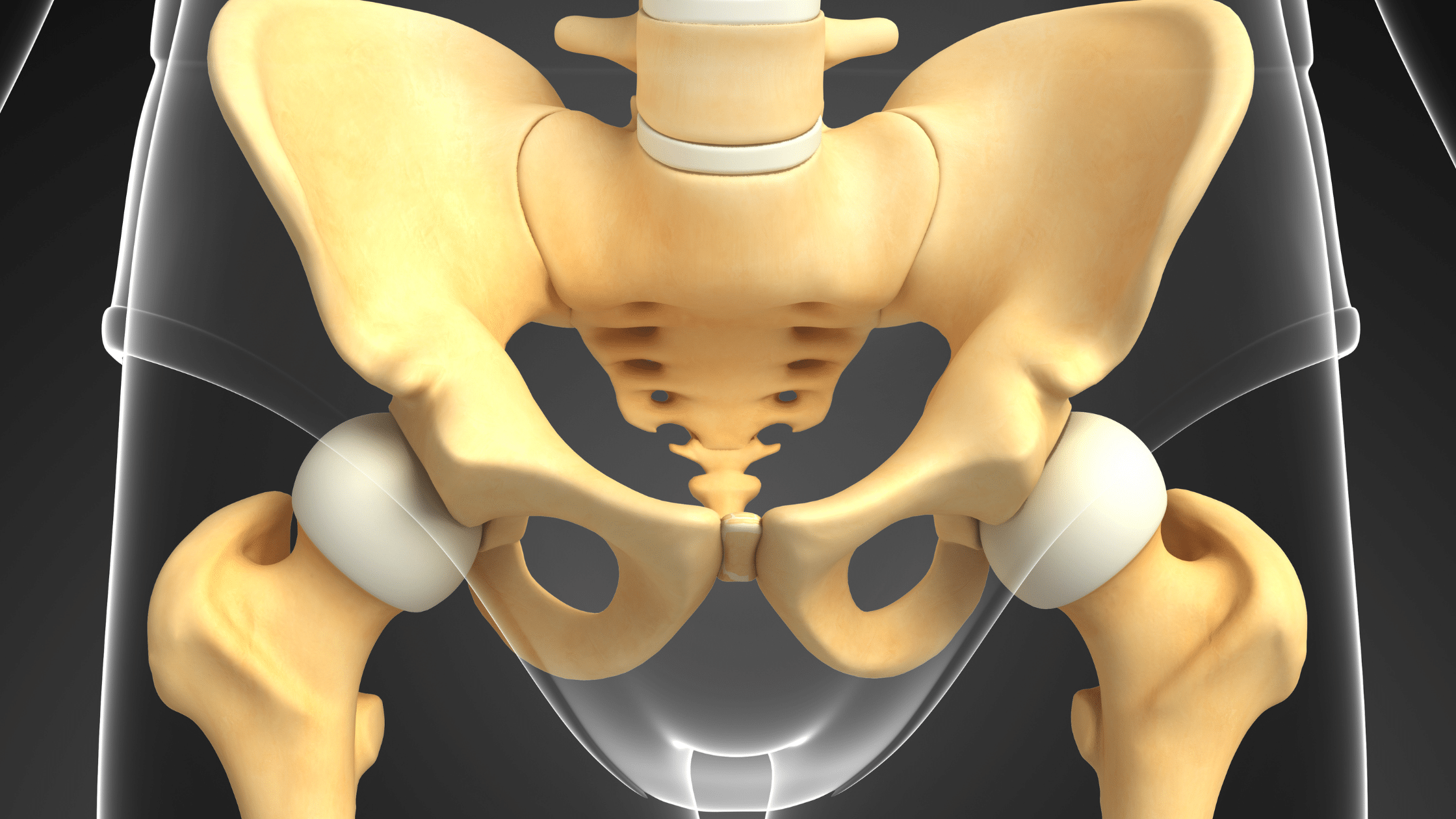
Lower stomach or abdominal pain is a less common but recognized symptom of PVPS. The pain is typically “referred” from the primary site of injury or inflammation in the scrotum. This occurs because the nerves supplying the testicles and epididymis (such as the ilioinguinal and genitofemoral nerves) share pathways with nerves that supply the lower abdominal wall.¹
Therefore, issues like epididymal congestion or nerve irritation in the spermatic cord can be perceived by the brain as pain originating in the abdomen. It is critical to rule out other potential causes of abdominal pain, such as hernias, kidney stones, or gastrointestinal issues, through a careful differential diagnosis.²
Diagnosing PVPS and its referred pain requires a strategic clinical approach.
Patient History: A detailed history is essential to understand the onset, nature, location, and intensity of the pain and its impact on daily life.
Physical Examination: A thorough physical exam of the scrotum and abdomen helps identify tenderness, masses (like a granuloma or cyst), or signs of nerve sensitivity.
Medical Imaging: Scrotal ultrasound is the primary imaging modality used to visualize the testicles and epididymis, helping to identify sperm granulomas, spermatoceles, or signs of congestion.²
Management and Treatment of Post-Vasectomy Pain
The European Association of Urology recommends a stepwise approach to managing chronic pelvic pain, which includes PVPS.⁴ Treatment begins with the most conservative options.
Initial Conservative Management: This includes rest, scrotal support (supportive underwear), warm baths, and a course of non-steroidal anti-inflammatory drugs (NSAIDs) for 2-4 weeks.¹,²
Pelvic Floor Physical Therapy: For many men with chronic pelvic pain, including PVPS, the condition is associated with pelvic floor muscle hypertonicity (tightness).⁵ Pelvic floor physical therapy, which can include manual therapy, biofeedback, and relaxation training, can be highly effective at alleviating the muscular component of the pain.
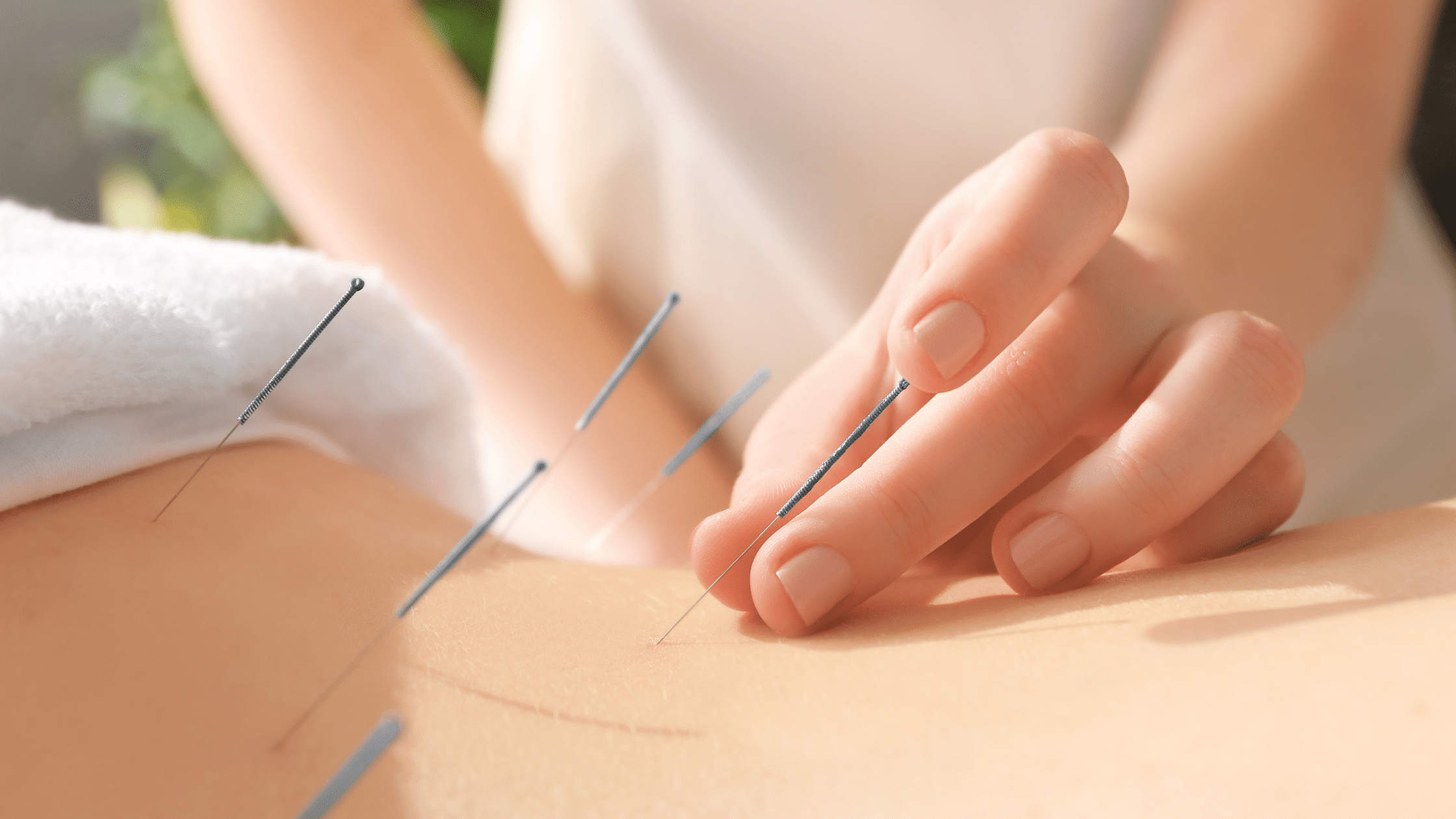
Dry Needling: For pain driven by myofascial trigger points in the pelvic floor and abdominal muscles, dry needling has emerged as a promising intervention. A recent systematic review found that dry needling can effectively reduce pain and improve function in men with chronic pelvic pain by releasing these muscular knots.⁶
Advanced and Surgical Interventions
When conservative measures fail, more invasive treatments may be considered.
Medical and Injection Therapies: Options can include neuropathic pain medications (e.g., gabapentin), nerve blocks of the spermatic cord, or cognitive-behavioral therapy (CBT) to help patients manage the psychological impact of chronic pain.⁴
Surgical Options: Surgery is a last resort. Procedures such as vasectomy reversal (vasovasostomy), which re-establishes flow and can relieve congestive pressure, or epididymectomy (removal of the epididymis) may be offered. Microsurgical denervation of the spermatic cord is another option that targets the nerves causing the pain.⁷
Moving Forward: What You Can Do
If you are dealing with persistent lower stomach or scrotal pain after a vasectomy, it is important to seek a medical evaluation to ensure an accurate diagnosis. Where pain persists without a surgical cause, it is often classified as post-vasectomy pain syndrome, and it can present as testicular pain or pain after ejaculation. You do not have to accept chronic pain as a normal outcome.
Emerging research supports the role of treatments like pelvic floor physical therapy, acupuncture, and dry needling, especially when muscle tension is a contributing factor. These therapies offer safe and effective ways to find relief. Consider booking a visit with a provider who specializes in male pelvic pain and can offer a personalized, multidisciplinary approach to your recovery.
Patel AP, Smith RP. Post-vasectomy pain: a review of the literature and an updated algorithm for evaluation and management. Curr Urol Rep. 2016;17(7):49. PubMed
Calixte N, Brahmbhatt J, Parekattil S. Post-vasectomy pain: a review of the literature. Urol Clin North Am. 2017;44(4):535-542. PubMed
Leslie TA, Illing RO, Cranston DW. The incidence of chronic scrotal pain after vasectomy: a prospective audit. BJU Int. 2007;100(6):1330-1333. PubMed
Engeler D, et al. EAU Guidelines on Chronic Pelvic Pain. European Association of Urology; 2023. Accessed May 29, 2024. Link
Anderson RU, Harvey RH, Wise D, et al. Chronic pelvic pain syndrome: the role of muscular and neurogenic mechanisms. Curr Urol Rep. 2015;16(8):53. PubMed
Mejía-Beloqui S, Teba-Pino C, Corpas-López C, et al. Dry needling in the management of male chronic pelvic pain: A systematic review. NeuroRehabilitation. 2023;52(3):363-372. PubMed
Jang A, Ramasamy R. Surgical management of post-vasectomy pain. Transl Androl Urol. 2021;10(3):1418-1425. PubMed
Pelvic pain often stems from identifiable muscle and nerve dysfunction, not a mystery that needs to be managed indefinitely. Patients searching for pelvic floor acupuncture NYC are usually looking for…
Male pelvic floor dysfunction is a musculoskeletal and neurological condition, though it is frequently misunderstood or misdiagnosed as something else entirely. Men who search for male pelvic floor dysfunction acupuncture…
The signature of sciatica is hard to mistake. A sharp pain shoots from the lower back or buttock down the back of the leg, sometimes with numbness, tingling, or a…
Ready when you are.
Limited spots each week — book now to reserve yours.
Evidence-based acupuncture and dry needling on the Upper West Side. From chronic pain and headaches to pelvic floor dysfunction, Dr. Jordan Barber pairs the highest level of training with care that actually listens.
This site does not provide medical advice. Always consult a qualified healthcare professional before making changes to your health. Read our full disclaimer.