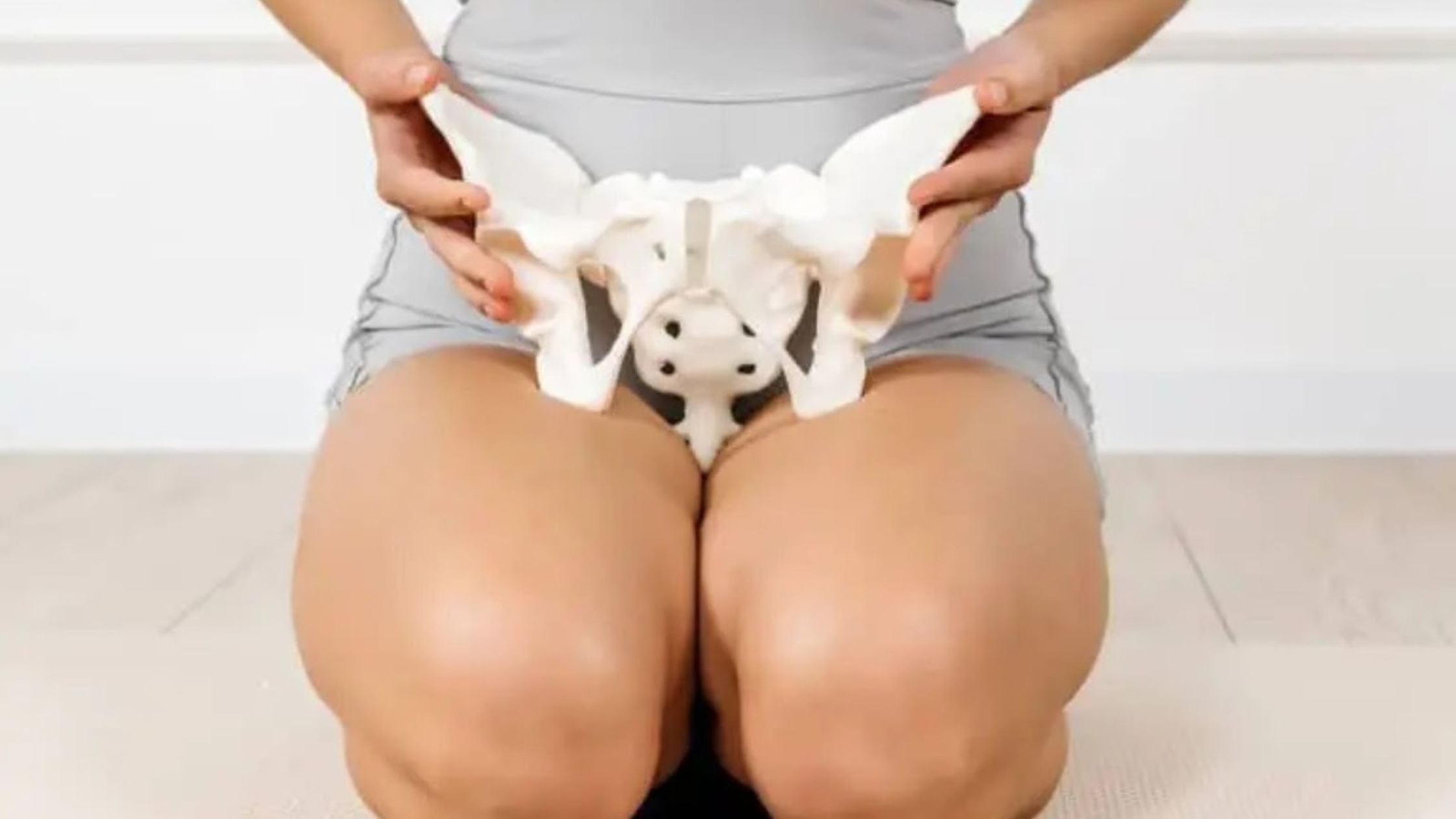
Pelvic floor symptoms are often described in subtle but disruptive ways. Many people report a sense of tightness, internal pressure, or persistent discomfort rather than sharp or easily localized pain. These sensations may be difficult to explain, fluctuate throughout the day, and feel disconnected from findings on imaging or routine examinations.
Among Midtown NYC patients, it is common to hear that sitting feels uncomfortable, exercise tolerance has changed, or relaxation feels difficult even at rest. When standard testing appears normal, symptoms are sometimes minimized or misunderstood. In reality, pelvic floor discomfort frequently reflects muscular, neurologic, and coordination-based contributors rather than visible structural damage.
This article explains how Pelvic Floor Acupuncture Midtown for tightness, pressure, and discomfort is used clinically to address these symptom patterns. The goal is education, clarity, and realistic expectations, not promises of outcomes.
Understanding Pelvic Floor Tightness and Pressure
What Patients Commonly Experience?
Pelvic floor symptoms often present differently from other musculoskeletal complaints. Rather than clear pain, patients may describe a feeling of internal tension, heaviness, or pressure. Discomfort may increase with sitting, standing, or prolonged activity and ease temporarily with movement or position changes.
Symptoms frequently fluctuate with stress levels, posture, breathing patterns, or physical activity. Some individuals notice increased discomfort during periods of prolonged sitting or at the end of the day. Others report difficulty fully relaxing, even when lying down.
These sensations are often misattributed or overlooked because they do not always align with typical pain patterns. When routine exams do not reveal clear pathology, symptoms may be dismissed despite their real functional impact.
What Causes Pelvic Floor Tightness and Discomfort?
Common Contributors Identified in Clinical Practice
Pelvic floor tightness and pressure rarely stem from a single cause. In clinical practice, several overlapping contributors are commonly identified. One such contributor to these symptoms is stress incontinence treatment in Midtown Manhattan, where lifestyle factors and anatomical changes often play a significant role. Many patients find that addressing these underlying issues leads to a substantial improvement in their quality of life. Comprehensive assessments and tailored interventions are essential to effectively manage and alleviate discomfort associated with pelvic floor dysfunction.
Overactivity of the pelvic floor musculature is a frequent factor. Muscles designed to support posture and continence may remain excessively active, even when relaxation is appropriate. Coordination issues between the pelvic floor, abdominal wall, and hip muscles can further increase strain and alter load distribution.
Nervous system sensitivity also plays a role. Heightened input from the central or peripheral nervous system can influence muscle tone and amplify normal sensations. Importantly, these symptoms may exist without visible structural damage on imaging or examination.
This explains why discomfort can be real and persistent despite normal test results.
How Pelvic Floor Dysfunction Affects Daily Function?
Beyond the Pelvic Region
Pelvic floor dysfunction often affects areas beyond the pelvis itself. Sitting tolerance may decrease, making workdays or commuting uncomfortable. Physical activity may feel limited or require frequent breaks.
Many patients report associated low back, hip, or abdominal symptoms. These regions are functionally connected through shared musculature and load transfer. Changes in pelvic floor tone can influence posture, breathing patterns, and spinal mechanics.
Symptoms often vary throughout the day. Factors such as prolonged sitting, stress, hydration, or activity level can influence discomfort. This variability is a key clinical clue that symptoms are driven by functional and neurologic factors rather than fixed structural damage.
How Pelvic Floor Acupuncture Is Used Clinically?
Acupuncture is a licensed medical profession under New York Education Law Article 160. In a clinical pelvic floor setting, it is not applied through standardized protocols or generalized routines.
Treatment decisions are guided by symptom patterns, movement and posture assessment, and neurologic screening. Pelvic floor acupuncture is used as one tool within a broader clinical reasoning process rather than as a standalone intervention.
The goal is to identify why symptoms are occurring and which systems are contributing, rather than focusing solely on where discomfort is felt.
Pelvic Floor Acupuncture Midtown for Tightness
How Acupuncture May Support Symptom Management?
When used appropriately, acupuncture may support symptom management by influencing nervous system input that affects muscle tone. Modulation of sensory input can help reduce excessive guarding in the pelvic floor and surrounding muscles.
Improved coordination between pelvic, hip, and abdominal structures may follow when muscle overactivity decreases. This can support better tolerance for sitting, movement, and daily activities.
These effects do not represent structural correction. Instead, they reflect changes in how the nervous system and musculoskeletal system interact.
What Current Evidence Suggests?
Research supports acupuncture for certain chronic pain and neuromuscular conditions. Evidence specific to pelvic floor tightness and pressure is emerging and remains limited.
Limited evidence means that expectations should focus on symptom management rather than cures. Individual response varies based on contributing factors such as muscle tone, coordination patterns, and nervous system sensitivity.
This uncertainty underscores the importance of individualized assessment rather than generalized claims.
Pelvic Floor Acupuncture and Muscle Overactivity
Common Muscular Patterns Involved
Several muscle groups are commonly involved in pelvic floor overactivity. These include the levator ani group, which plays a central role in pelvic support, and the obturator internus, which connects pelvic floor function with hip movement.
Associated hip and abdominal musculature frequently contributes to symptoms. When these muscles remain tense or poorly coordinated, pelvic floor muscles may compensate, increasing internal pressure and discomfort.
These patterns often develop gradually and may persist long after the original trigger has resolved.
How Acupuncture and Dry Needling Are Applied?
Acupuncture and dry needling are applied selectively based on findings from the clinical assessment rather than predetermined point selections. Areas of increased muscle tone, reduced tissue glide, or altered coordination are identified through movement testing, palpation, and symptom reproduction.
Treatment aims to influence myofascial contributors that remain excessively guarded or poorly regulated by the nervous system. By modulating sensory input and reducing protective muscle activity, these techniques may support improved relaxation and coordination across the pelvic floor, hips, and abdominal region.
Decisions about where and how to treat are guided by the patient’s response over time, not by routine schedules. Ongoing reassessment allows care to adapt as symptom patterns and functional tolerance change.
Pelvic Floor Acupuncture and Nervous System Sensitivity.
When Symptoms Are Not Purely Muscular
Not all pelvic floor symptoms are driven primarily by muscle tension. In some cases, heightened sensory input in the pelvic region plays a significant role. Patients may describe discomfort that feels disproportionate to activity level or persists even at rest.
Difficulty relaxing muscles despite conscious effort suggests involvement of the nervous system regulation. Both central and peripheral nervous system factors can influence how sensations are processed and perceived.
Acupuncture may be considered as part of a strategy to address this sensitivity, but outcomes depend on careful assessment and realistic expectations.
How Do We Determine Treatment Priorities?
Clinical Reasoning Process
Determining treatment priorities begins with a thorough review of symptom behavior and triggers. Movement and breathing assessment help identify coordination patterns that influence pelvic floor tone. Neurologic screening clarifies whether sensory sensitivity is contributing.
Treatment often includes areas outside the pelvis. Hip mechanics, spinal posture, and breathing patterns all influence pelvic floor function. Addressing these contributors can be necessary for meaningful change.
Coordination With Other Pelvic Floor Care
When Multidisciplinary Care Is Appropriate
In many cases, collaboration with pelvic floor physical therapists is appropriate. Physical therapy and acupuncture serve complementary roles when boundaries are clearly defined.
Physical therapy often focuses on movement retraining and functional coordination. Acupuncture may support nervous system modulation and muscle tone regulation. Coordination between providers helps ensure that care is aligned rather than redundant.
What Does a Typical Course of Care Look Like?
General Structure Without Guarantees
Care typically begins with an initial evaluation and planning phase. Short-term symptom response is monitored to assess whether acupuncture is influencing discomfort or functional tolerance.
Adjustments are made based on findings rather than predetermined schedules. One-size-fits-all or indefinite treatment plans are intentionally avoided.
If symptoms do not change, reassessment guides discussion of alternative strategies or referral when appropriate.
Safety Considerations and Professional Scope
What Patients Should Know
Pelvic floor acupuncture is generally well tolerated when performed by licensed practitioners. Possible temporary responses include mild soreness or fatigue.
Clear communication and informed consent are essential. Acupuncture complements, rather than replaces, medical evaluation and care.
When Additional Evaluation May Be Needed
Progressive neurologic symptoms, new or unexplained pelvic changes, recent trauma, or systemic symptoms warrant further medical evaluation. Appropriate referral supports safe and effective care.
Common Questions About Pelvic Floor Acupuncture
How is progress evaluated clinically?
Progress is evaluated through changes in symptom behavior, sitting tolerance, movement comfort, and overall functional capacity rather than pain scores alone.
Is pelvic floor acupuncture used alone or with other care?
Pelvic floor acupuncture may be used independently or alongside physical therapy or other care, depending on assessment findings.
What happens if symptoms do not change?
If improvement is limited, reassessment guides next steps. Treatment plans are modified based on response rather than fixed expectations.
Closing Thought
Pelvic floor tightness, pressure, and discomfort often reflect interactions between muscular overactivity and nervous system sensitivity rather than isolated injury. When applied through careful assessment and individualized planning, acupuncture can be a useful clinical tool for symptom management. Outcomes depend on accurate diagnosis, realistic expectations, and ongoing evaluation rather than standardized protocols.
If pelvic floor tightness or discomfort is affecting your daily comfort, a clinical evaluation with Dr. Jordan Barber can help clarify contributing factors and determine whether pelvic floor acupuncture or related techniques are appropriate options within your care plan.