
If you're reading this, you've probably already seen a urologist or gynecologist and worked with a pelvic floor physical therapist. Things may have gotten better. But some of the ache, urgency or tension is still there, and it isn't moving.
That plateau is common, and it doesn't mean your PT missed something or that you did the work wrong. Muscles that have been guarding for a long time sometimes need a different kind of input to let go. That's the work I specialize in. I don't replace your physical therapist, and many of my patients keep seeing theirs while we work together.
I'm the only practitioner in New York City whose practice centers on pelvic floor dry needling, and I've published peer-reviewed research on the conditions it treats.
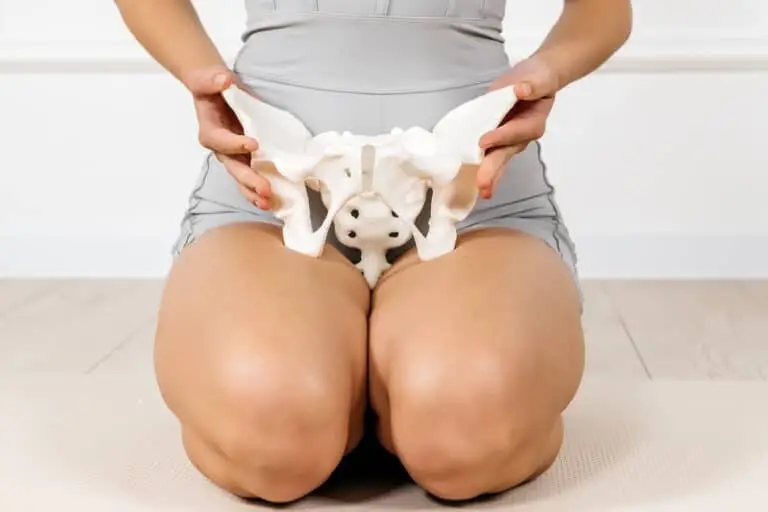

I assess which muscles and nerves are keeping the pattern going, then needle those specifically. With electroacupuncture I can also work on the nerves that keep those muscles on guard. The aim is to change the mechanics behind your symptoms, not just release a tight spot.
This is the focus of my clinical work. I hold a Doctor of Acupuncture and Oriental Medicine, advanced certification in pelvic floor dry needling, and I've published peer-reviewed research on pelvic floor muscle dysfunction.
Had dry needling before and it didn't seem to do much? How it's assessed and applied makes a real difference, and it's worth a conversation.
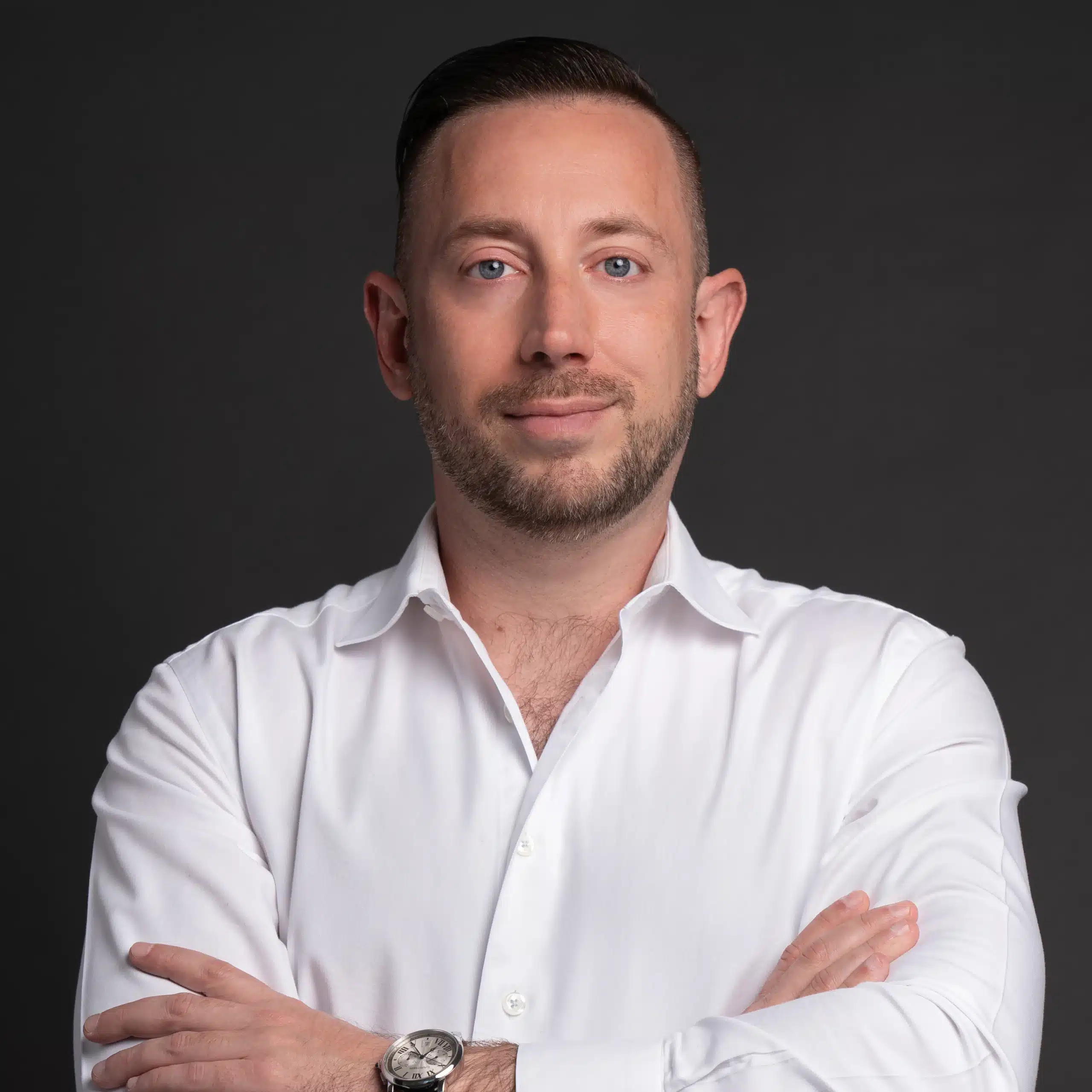
Advanced certification in pelvic floor dry needling, with more than 20 years of clinical experience.
Doctoral training that includes an understanding of Western medicine, so your urology, gynecology and PT reports shape the plan.
Three peer-reviewed papers, including one on how pelvic floor muscles and nerves drive bladder symptoms, and two books, Realigning Medicine and Thinking in Chinese Medicine.
Physical therapists, urologists and gynecologists refer patients to me when they want to add dry needling to an existing treatment plan.
Many of my patients have been told everything looks normal. Muscle and nerve problems often don't show up on scans, so that's where I start looking.
Most people feel a quick twitch or a brief cramp when the needle reaches a tight band of muscle, then a dull ache that fades. We go at your pace, and you can pause at any time.
Depending on the muscles being treated, you may need to undress, and you'll always be draped. We always work with your consent and at your comfort level. I don't perform internal exams or internal treatment.
They won't be to me. Pelvic floor problems are most of what I see, and I've heard it all. There's no judgment here, just a plain conversation about what's going on so we can treat it.
Yes, in trained hands. I use sterile, single-use needles, and I review your health history first, including blood thinners or anything that affects healing. In New York, dry needling can only be performed by licensed acupuncturists, MDs and DOs. Physical therapists and chiropractors aren't licensed to perform it here, so it's worth checking who is doing your treatment.
You don't need one, but it helps. This work is most useful once you've already tried standard care with a doctor or pelvic floor physical therapist, so I can build on what's been done. Bring any diagnosis, notes or imaging you have.
Yes, and I encourage it. Many of my patients see their PT and me during the same weeks, and I'm happy to coordinate with your PT or doctor. If I think something needs to go back to your urologist, gynecologist or PT, I'll tell you.
Most plans run 4 to 6 weeks. We track how your symptoms change, adjust as we go, then space visits out so the changes hold. Everyone is different, so I'll set your plan at the first visit.
We go over your history and what you've already tried. I assess how your pelvis, hips and low back are working, and you're treated that same day.
I'm out of network. You pay at your visit, and I submit the claim for you, so any reimbursement goes straight to you. I can check your out-of-network benefits for free before your first visit (verification form). HSA and FSA are accepted. I don't participate with Medicare or Medicaid, but some Medicare Advantage plans do reimburse out-of-network visits, so it's worth checking yours. More on insurance
Yes, I treat adults of all genders and identities. If you've had gender-affirming surgery involving the pelvis, bring your surgical notes so we can decide together what's appropriate.
Yes. Book a free discovery call and ask whatever you need to.
House calls and after-hours visits are available by arrangement.
Private Access & House Calls →Ready when you are.
Limited spots each week — book now to reserve yours.

118 W. 72nd St, Rear Lobby, New York, NY 10023
Evidence-based acupuncture and dry needling on the Upper West Side. From chronic pain and headaches to pelvic floor dysfunction, Dr. Jordan Barber pairs the highest level of training with care that actually listens.
Member Clinic
An independent practice and member of New York Acupuncture Group, sharing clinical space and operations in Manhattan.
This site does not provide medical advice. Always consult a qualified healthcare professional before making changes to your health. Read our full disclaimer.