Treating Pelvic Pain Without Surgery: What Are Your Options?
Reviewed by Dr. Jordan Barber, DACM, L.Ac.
January 29, 2025
4 min read
Understanding Non-Surgical Treatment for Chronic Pelvic Pain
Chronic pelvic pain (CPP) is a complex and often misunderstood condition that affects individuals of all ages and backgrounds. It can be characterized by a variety of symptoms, including aching, sharp pain, or a feeling of heaviness in the pelvic area. Understanding non-surgical treatment options for CPP is essential for finding effective relief and preventing unnecessary surgeries, which often do not address the underlying issues of the condition.
Chronic pelvic pain can also affect emotional well-being. Many individuals experience anxiety and depression as a result of living with persistent pain. This psychological aspect must be addressed alongside physical symptoms for comprehensive treatment.
Healthcare providers should always consider a patient’s complete medical history and perform a thorough diagnostic process to avoid such misdiagnoses.
Common Misdiagnoses and Unnecessary Surgeries
It’s crucial to understand that misdiagnoses can lead to prolonged suffering. For example, a patient diagnosed with endometriosis may undergo multiple surgeries, only to find that myofascial pain syndrome was the underlying issue all along.
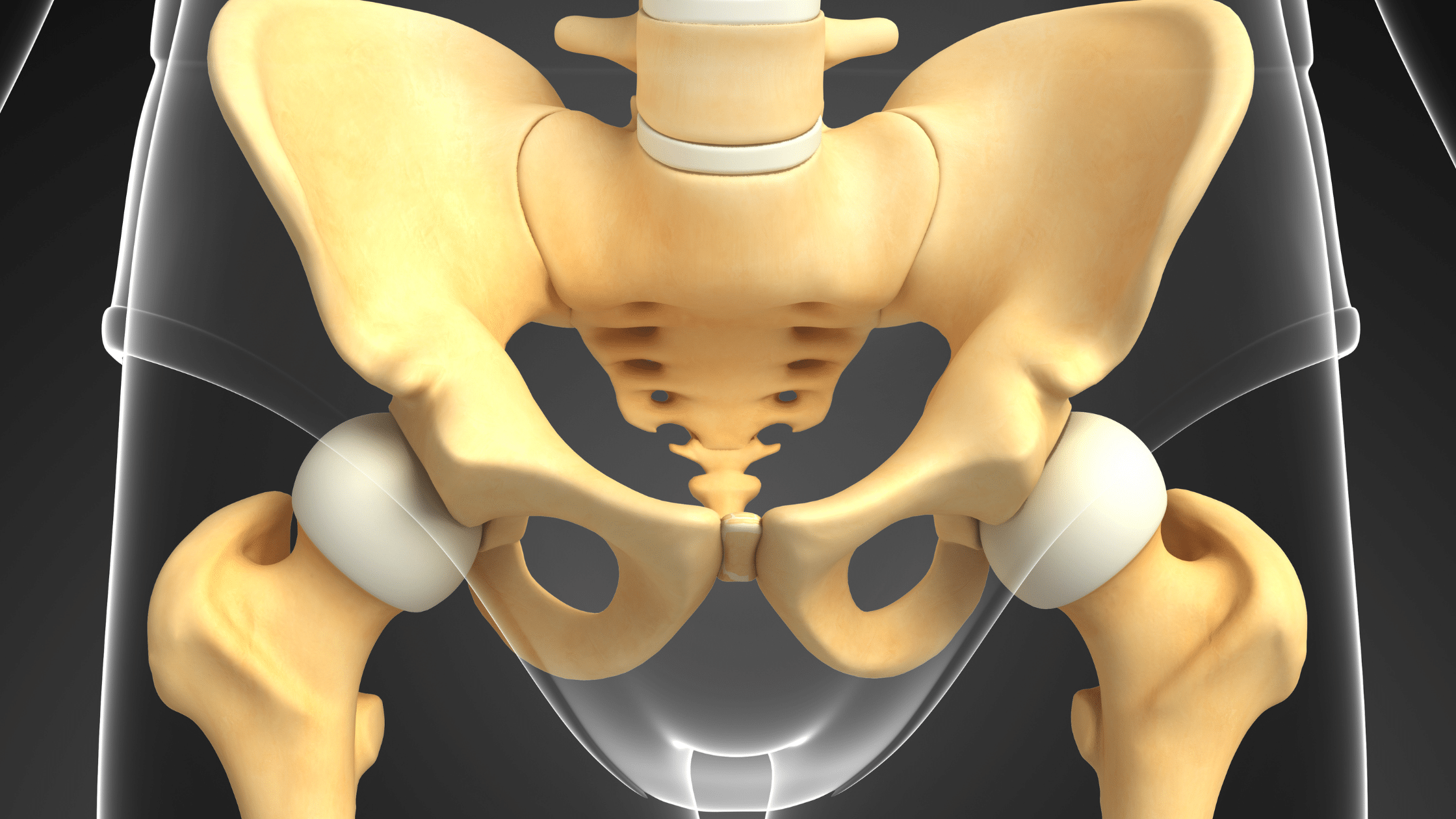
Pelvic Floor Muscles: These include the levator ani and coccygeus muscles, which play a vital role in pelvic stability and organ support. Tension or weakness in these muscles can contribute significantly to pelvic pain.
Many individuals with CPP receive misdiagnoses, which can lead to unnecessary surgeries such as hysterectomies or prostate surgeries that may not resolve their pain. Conditions like endometriosis and interstitial cystitis are often cited, but the root causes can be far more complex, involving musculoskeletal issues, tension in pelvic muscles, or nerve entrapments. Exploring non-invasive treatments can provide more appropriate solutions and help individuals avoid the complications associated with surgery.
Additional muscles that may influence pelvic pain include the pelvic floor muscles, which support pelvic organs. Dysfunction in these muscles can lead to various pelvic pain syndromes.
Key Anatomical Components Involved in Pelvic Pain
Key Muscles That Affect Pelvic Pain:
Understanding the anatomy of the pelvis is crucial in addressing CPP. The following muscles play significant roles:
Addressing lifestyle factors is also essential. For instance, stress management techniques such as yoga or meditation can enhance treatment outcomes by reducing muscle tension.
Piriformis: A deep hip muscle that, when tight, can irritate nearby nerves and contribute to pelvic pain.
Coccygeus: Located at the base of the pelvis, this muscle plays a role in pelvic support and stability.
Adductor Magnus: A thigh muscle that, when dysfunctional, can create tension in the pelvic floor and surrounding structures.
Important Nerves:
Pudendal Nerve: Provides sensation to the pelvic floor and can become compressed, causing pain and dysfunction.
Obturator Nerve: Runs through the inner thigh and pelvis, and irritation can contribute to hip and pelvic discomfort.
Non-Surgical Treatment Options for Pelvic Pain
To effectively manage pelvic pain without surgery, a multidisciplinary approach is often necessary. Here are some non-surgical treatment options that can lead to significant improvements:
Electroacupuncture: A Modern Approach
Electroacupuncture has been shown to be effective not only for pelvic pain but also for other chronic pain conditions, making it a versatile treatment method.
This technique combines traditional acupuncture with electrical stimulation. It aids in nerve regulation and pain relief, offering several advantages:
Regulates Nerve Activity: Electroacupuncture uses mild electrical stimulation applied through acupuncture needles to help regulate nerve function and reduce pain signals.
Enhances Circulation: Improved blood flow promotes healing and reduces inflammation in affected pelvic structures.
Relieves Neuropathic Pain: By targeting key nerves, electroacupuncture can alleviate symptoms associated with pudendal nerve entrapment and obturator nerve dysfunction.
Dry Needling: Targeting Myofascial Pain
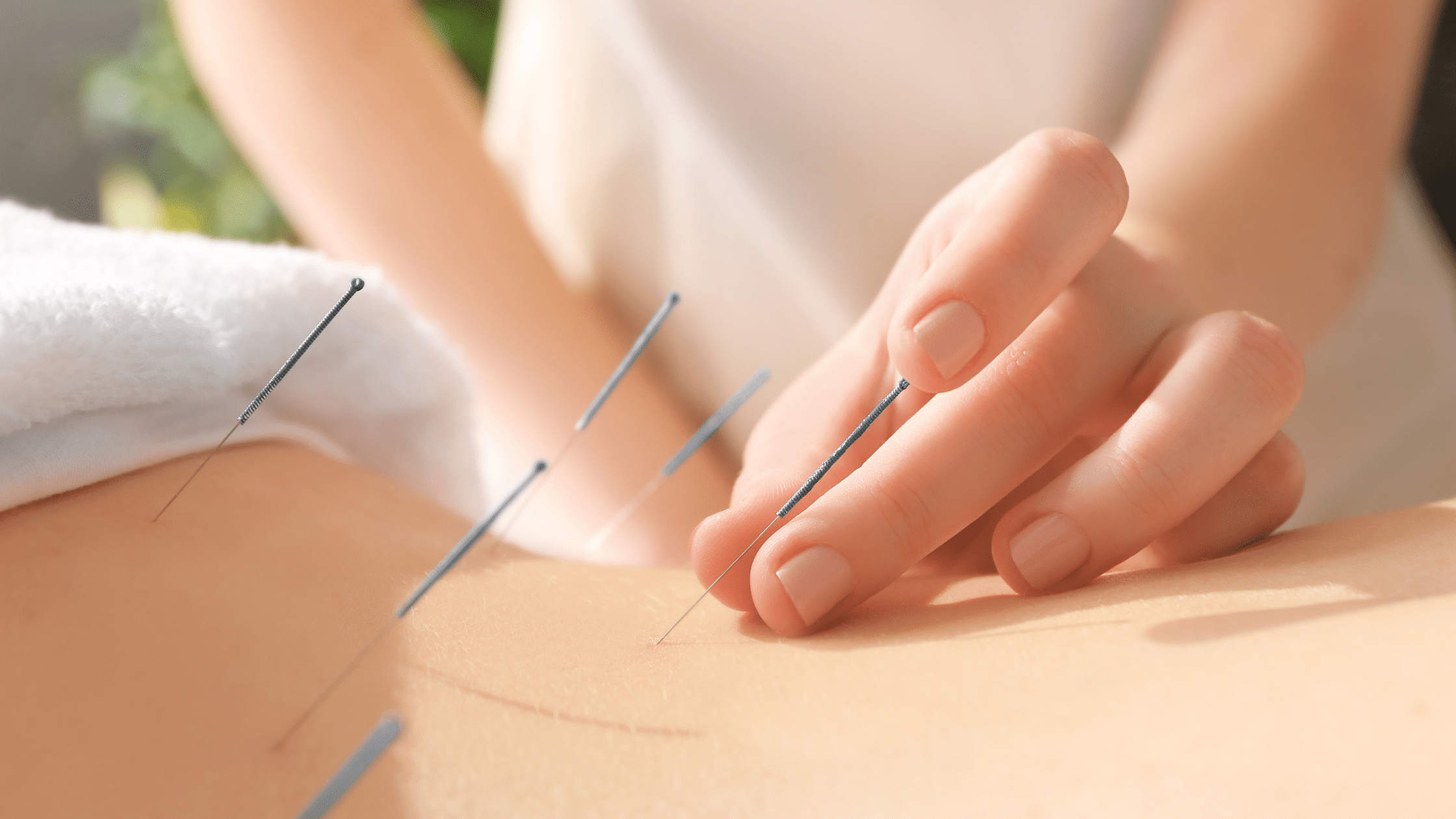
Dry needling is also being increasingly recognized for its benefits in treating pelvic pain. Patients often report immediate relief after sessions.
Dry needling is a technique used to alleviate muscle tension and pain by inserting needles into trigger points. It has proven effective for many suffering from CPP:
Releases Muscle Knots: Dry needling targets trigger points in deep pelvic and hip muscles, reducing tension and pain.
Improves Mobility: By relaxing tight muscles such as the piriformis and adductor magnus, dry needling helps restore movement and decrease strain on surrounding structures.
Reduces Chronic Inflammation: By stimulating natural healing responses, dry needling helps lower inflammation in affected tissues.
Additionally, Joint mobilization and myofascial release are other manual therapy techniques that can be beneficial for patients suffering from chronic pelvic pain. These therapies focus on the release of restricted tissues and can improve overall pelvic function and pain relief.
In the end, a combination of treatments tailored to each individual’s needs can lead to improved quality of life and pain management.
Seeking Professional Evaluation
For those experiencing ongoing pelvic pain, a thorough evaluation by a healthcare professional specialized in pelvic health is essential. A trained therapist can identify specific muscle and nerve issues and tailor a non-surgical treatment plan to meet individual needs, reducing pain and improving function in daily life.
Conclusion
In conclusion, surgery should not be the first line of defense against chronic pelvic pain. Many cases stem from treatable conditions such as muscle imbalances and nerve irritations. Non-invasive techniques like electroacupuncture and dry needling can yield significant benefits. If you find that pelvic pain is interfering with your life, consider seeking specialized care. Schedule a consultation today to discuss your options for non-surgical treatments and take the first step towards a pain-free future.
Pelvic pain often stems from identifiable muscle and nerve dysfunction, not a mystery that needs to be managed indefinitely. Patients searching for pelvic floor acupuncture NYC are usually looking for…
Male pelvic floor dysfunction is a musculoskeletal and neurological condition, though it is frequently misunderstood or misdiagnosed as something else entirely. Men who search for male pelvic floor dysfunction acupuncture…
Searching for pudendal neuralgia treatment NYC often means you’re dealing with persistent pelvic, genital, or rectal pain—especially pain with sitting—and you need a clear, step-by-step plan. In New York City…
Ready when you are.
Limited spots each week — book now to reserve yours.
Evidence-based acupuncture and dry needling on the Upper West Side. From chronic pain and headaches to pelvic floor dysfunction, Dr. Jordan Barber pairs the highest level of training with care that actually listens.
This site does not provide medical advice. Always consult a qualified healthcare professional before making changes to your health. Read our full disclaimer.