Chronic Constipation and the Pelvic Floor: What’s the Connection?
Reviewed by Dr. Jordan Barber, DACM, L.Ac.
January 29, 2025
4 min read
Understanding the Link Between Chronic Constipation and Pelvic Floor Dysfunction
Chronic constipation is a common but frustrating condition that affects many individuals. While diet and hydration play crucial roles in digestive health, one often-overlooked factor is the pelvic floor. Dysfunction in the pelvic floor muscles can impede normal bowel movements, leading to difficulty with rectal emptying, straining, and discomfort. Understanding how pelvic floor dysfunction contributes to chronic constipation is key to finding lasting relief. Furthermore, addressing chronic constipation through pelvic floor therapy may enhance overall digestive function.
How Pelvic Floor Dysfunction Affects Bowel Movements
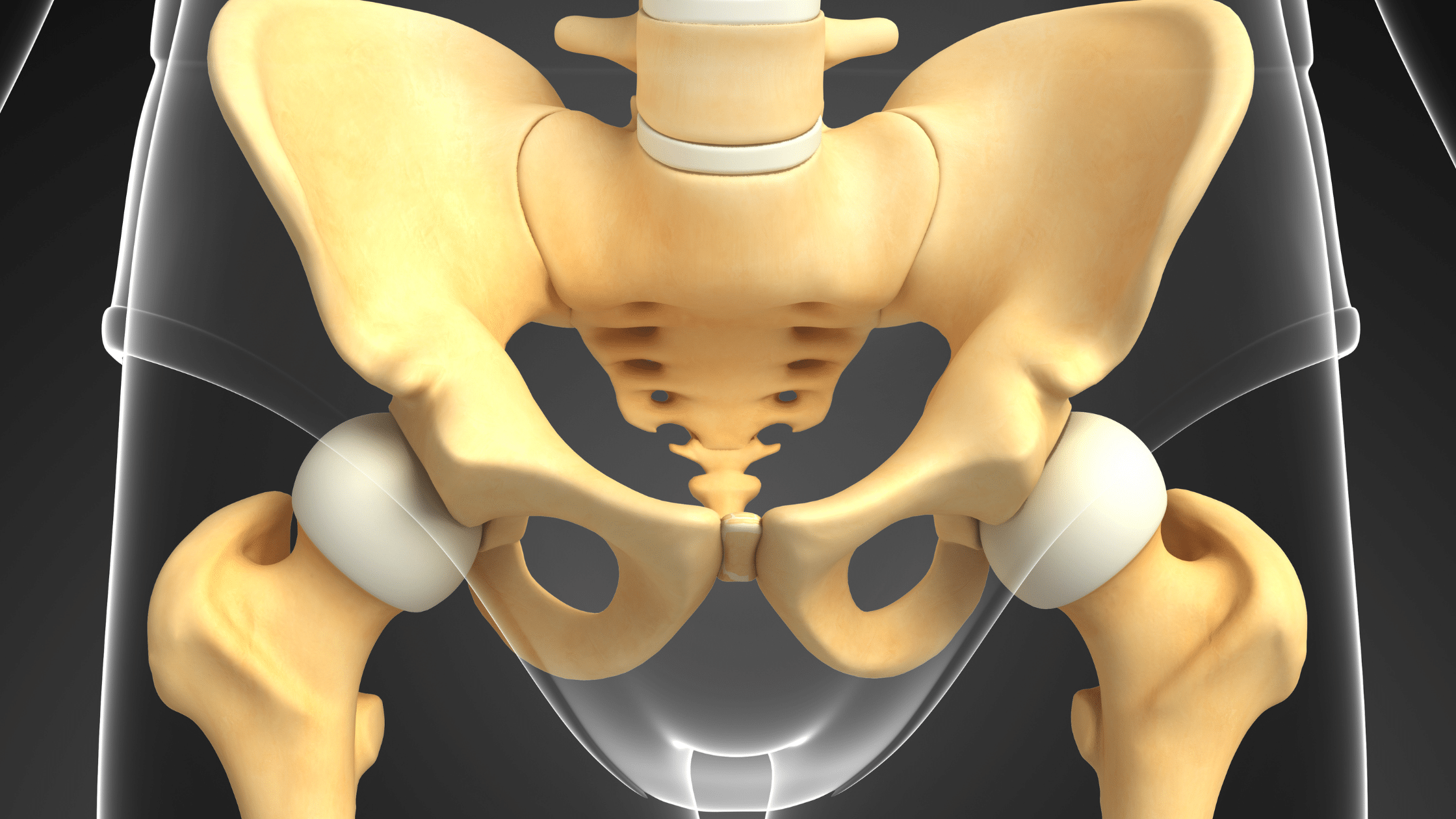
The pelvic floor muscles support the pelvic organs and play a crucial role in bowel function. When these muscles are overly tight or fail to coordinate properly, they can make defecation difficult. Key ways in which pelvic floor dysfunction contributes to chronic constipation include:
Chronic constipation can often be exacerbated by other factors, including lifestyle and stress, which can further complicate pelvic floor issues. Recognizing and treating these interconnected conditions can significantly improve outcomes for individuals suffering from chronic constipation.
Tightness in the Puborectalis Muscle: This muscle forms a sling around the rectum and must relax to allow stool to pass. If it remains too tight, it creates an obstruction that makes bowel movements difficult.
Dysfunction of the External Anal Sphincter: This muscle needs to contract and relax in coordination with the rest of the pelvic floor. If it remains overly tense, stool evacuation becomes incomplete or painful.
Poor Neuromuscular Coordination: The muscles of the pelvic floor must work in harmony with the diaphragm and abdominal muscles to generate the pressure needed for efficient elimination. Dysfunction in this coordination can lead to ineffective straining and incomplete emptying.
Key Anatomical Components Involved in Bowel Function
Important Muscles:
Puborectalis: Forms a sling around the rectum and maintains the anorectal angle to support continence. It must relax for proper stool passage.
External Anal Sphincter: Provides voluntary control over bowel movements but can contribute to dysfunction if it remains overly contracted.
Essential Nerves:
Pelvic Splanchnic Nerves: These nerves control bowel motility and function by regulating contractions in the rectum and coordinating pelvic muscle activity.
Enteric Nervous System: Sometimes called the “second brain,” this complex nerve network governs digestion and communicates with the pelvic floor to facilitate defecation.
Non-Invasive Techniques to Address Pelvic Floor-Related Constipation
For those grappling with chronic constipation, exploring various treatment modalities can be beneficial. It’s crucial to consider how pelvic floor therapy might be integrated into the management plan to specifically target chronic constipation.
A multidisciplinary approach can significantly improve chronic constipation linked to pelvic floor dysfunction. Two highly effective techniques include:
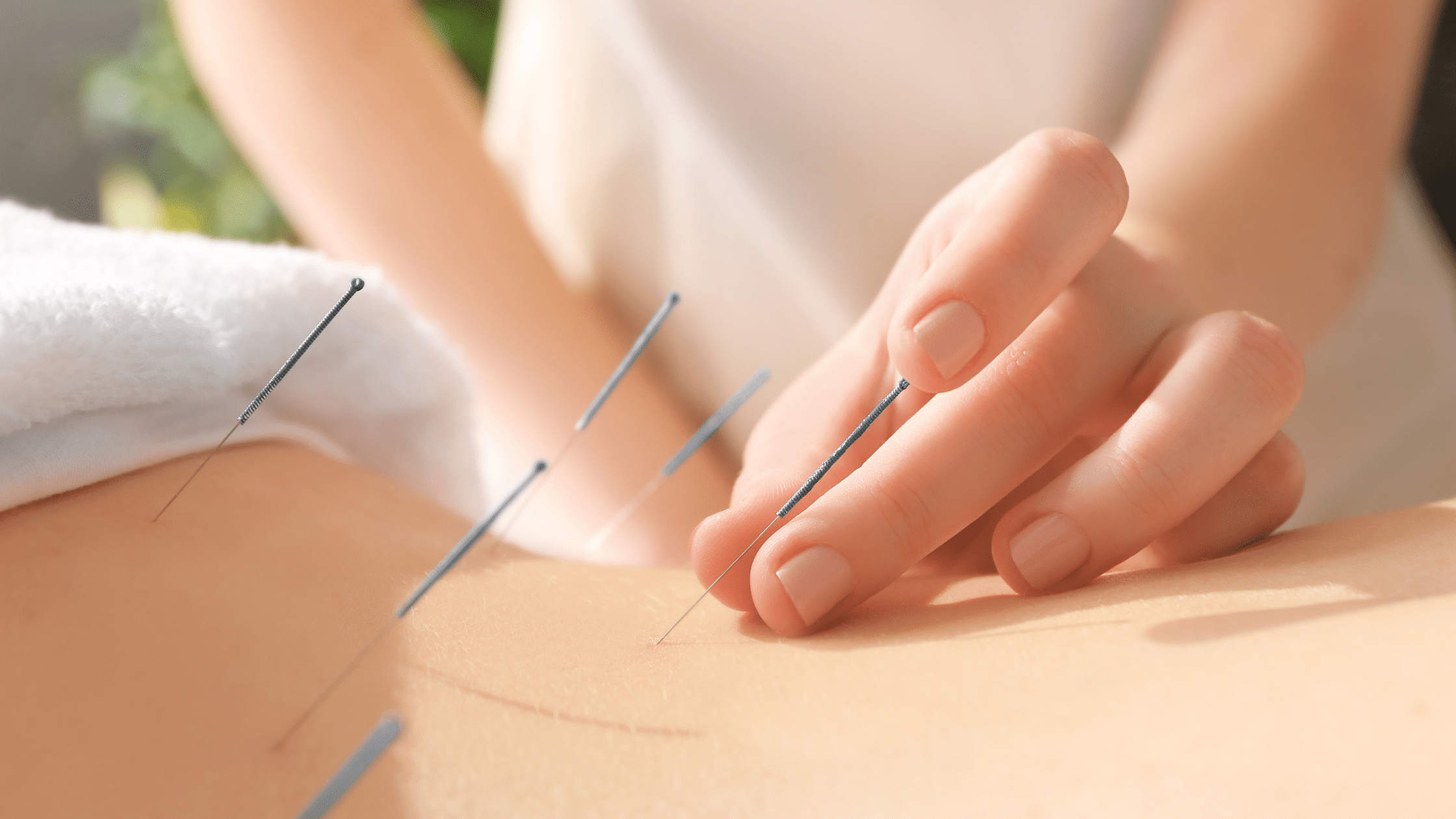
Dry Needling to Relax the Puborectalis Muscle
Releases Muscle Tension: Dry needling targets trigger points in the puborectalis muscle to help reduce tightness and improve coordination.
Enhances Neuromuscular Function: Stimulating the muscle with needling can retrain the pelvic floor to function more effectively, promoting easier bowel movements.
Reduces Pelvic Pain: Many individuals with pelvic floor dysfunction experience discomfort due to chronic tension, which dry needling can help alleviate.
Diaphragmatic Breath Training for Improved Bowel Function
If you are experiencing symptoms of chronic constipation, do not hesitate to seek support. Early intervention can lead to improved pelvic floor function and a significant reduction in chronic constipation symptoms.
Promotes Pelvic Floor Relaxation: Deep breathing helps regulate intra-abdominal pressure, allowing the pelvic floor to move naturally during defecation.
Enhances Gut Motility: The diaphragm and abdominal muscles play a role in stimulating the enteric nervous system, which supports digestive movement.
Reduces Straining: Learning to coordinate breath with bowel movements can prevent excessive straining, which may otherwise exacerbate pelvic floor dysfunction.
When to Seek Professional Help
If chronic constipation persists despite dietary changes, hydration, and fiber intake, a professional evaluation may be necessary. A pelvic floor physical therapist or healthcare provider specializing in bowel dysfunction can assess muscle coordination and provide tailored treatment strategies.
Conclusion
Chronic constipation is often more than a simple digestive issue—it can be a sign of pelvic floor dysfunction. Tightness in the puborectalis and external anal sphincter, along with nerve dysfunction, can contribute to incomplete bowel movements and straining. Non-invasive treatments like dry needling and diaphragmatic breath training offer effective ways to restore normal function. If chronic constipation is affecting your quality of life, schedule a consultation today to explore targeted pelvic floor treatments for long-term relief from chronic constipation.
Pelvic pain often stems from identifiable muscle and nerve dysfunction, not a mystery that needs to be managed indefinitely. Patients searching for pelvic floor acupuncture NYC are usually looking for…
Male pelvic floor dysfunction is a musculoskeletal and neurological condition, though it is frequently misunderstood or misdiagnosed as something else entirely. Men who search for male pelvic floor dysfunction acupuncture…
Searching for pudendal neuralgia treatment NYC often means you’re dealing with persistent pelvic, genital, or rectal pain—especially pain with sitting—and you need a clear, step-by-step plan. In New York City…
Ready when you are.
Limited spots each week — book now to reserve yours.
Evidence-based acupuncture and dry needling on the Upper West Side. From chronic pain and headaches to pelvic floor dysfunction, Dr. Jordan Barber pairs the highest level of training with care that actually listens.
This site does not provide medical advice. Always consult a qualified healthcare professional before making changes to your health. Read our full disclaimer.