Sudden strong urges
They build quickly, often during stress, after long sitting or after workouts, even with little in the bladder.

You may feel a sudden urge with little in the bladder, go just in case, or wake several times a night. Starting the stream can be hard, and you may feel you haven’t finished. These symptoms often get worse with stress, long sitting or workouts.
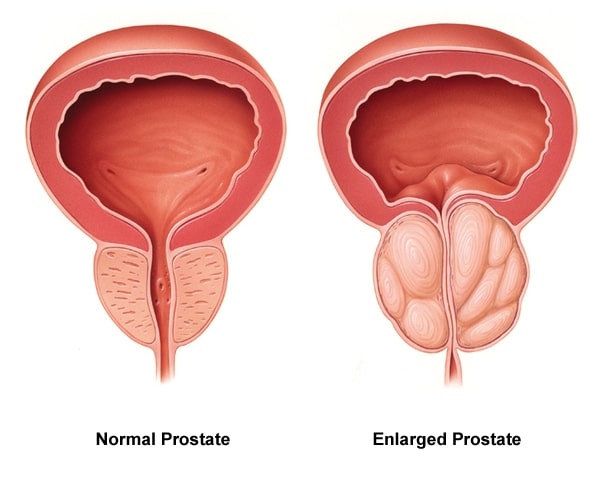
BPH, benign prostatic hyperplasia, is enlargement of the prostate, and your urologist manages it. Some symptoms can also come from the pelvic floor muscles around it. When those muscles stay tight, they may not relax at the right moment when you urinate. The nerves that carry bladder signals can also become overactive, making urges feel louder.
I work alongside your urologist, who manages the prostate, medication and any procedures. I treat the pelvic floor and bladder nerve contributors with dry needling, a form of acupuncture. A tight levator ani, the main pelvic floor muscle, can press on nearby branches of the pudendal nerve. Needling it eases that pressure. The sacral nerves from S2 to S4 carry bladder signals and can become irritable. For those, I use electroacupuncture, fine needles near the nerves with a gentle current, to help change their signaling. Electroacupuncture may also help reduce inflammation around the prostate, and custom herbal formulas can support circulation and hormone health.
Most people have had a urology workup, medication to improve flow, and sometimes a procedure. These should stay in place. They aren’t aimed at pelvic floor muscles that stay tight or bladder nerves that send urges too easily. A tight pelvic floor can feel like a blockage and leave a sense of incomplete emptying. Imaging and labs don’t measure muscle tone or nerve sensitivity. Electroacupuncture and herbal support add ways to work on bladder signaling and inflammation alongside your urologist.
I start by asking how often you go, how many times you wake at night, and what makes urgency worse. Then the exam:
Urology and primary care keep managing the prostate and your overall health. If something I notice seems worth raising with them, I’ll tell you and share the details.
Your urologist manages the prostate, including medication and any procedures. Alongside that, I use electroacupuncture that may help reduce inflammation and calm bladder nerve signaling. I may also suggest custom herbal formulas to support circulation and hormone health. Results vary, and this works alongside your urologist’s care, not instead of it.
It’s often a mix, which is why your urologist stays involved. On exam I look for tight muscles that reproduce your symptoms and a pelvic floor that has trouble relaxing. I read that alongside your urology findings.
Yes. With your permission, I share what I find and how you’re progressing. Medication decisions, monitoring and any procedures stay with your urologist.
Needling the levator ani lowers the pressure it puts on nearby pudendal branches. Electroacupuncture over the sacrum targets the bladder nerves when urges fire too easily. Since tight muscle and touchy bladder signals usually show up together, I often treat both.
I can’t promise a set result. The aim is to ease pelvic floor tension and calm overactive bladder signals, so urges may feel less sudden. I track night waking from the start and adjust based on how you respond.
Get prompt care for fever, chills, being unable to urinate, or burning along with feeling unwell. The same applies to visible blood in your urine, severe worsening pelvic pain, unexplained weight loss or concerning lab results. Treatment with me should never delay that.
Adults with pelvic floor, nerve and orthopedic pain, along with neurological conditions. Most of my patients come to me after other care hasn't fully settled things. If you're looking for general wellness acupuncture, I'm not the right fit.
We review your history and what you've already tried. I assess the muscles and nerves involved, and you're treated the same day.
It depends on the condition. Pelvic and orthopedic plans usually run 4 to 6 weeks. Neurological plans are usually 2 visits a week for 6 weeks or 3 a week for 4. After that, visits space out so the changes hold. These are typical timelines, not promises.
Yes. I work alongside doctors, physical therapists and specialists. If something I find needs a closer look from one of them, I'll tell you.
I'm an out-of-network provider. You pay at the time of your visit, and my office submits the claim so any reimbursement comes to you. Free benefit checks are available before your first visit through the verification form, and HSA and FSA cards work. I don't take Medicare or Medicaid, though some Medicare Advantage plans reimburse out-of-network care. Full insurance details
Yes. I treat adults, teens and children, though I don't specialize in infants or toddlers.
Yes. Book a free discovery call to ask your questions and see whether we're a good fit.
Dry needling is a form of acupuncture. Fine needles go into tight bands of muscle and trigger points to lower muscle tension and change how the area is signaling.
You may feel a brief twitch or a deep ache as the needle reaches tight muscle. It passes quickly, and any soreness afterward usually fades within a day or two.
It's generally safe with a properly trained practitioner. Needles are sterile and single-use, and I check your health history first, including blood thinners. In New York, dry needling can only be performed by licensed acupuncturists, MDs and DOs. Physical therapists and chiropractors aren't permitted to perform it.
Eat something light beforehand and wear loose clothing that lets me reach the area being treated.
Usually not. Ultrasound helps in a few specific cases, but it hasn't been shown to improve results for common trigger points. A careful hands-on exam is what guides the needle. More on ultrasound-guided dry needling
Dry needling aimed at the pelvic floor and the hip and abdominal muscles around it, for pain, tension and urinary symptoms driven by those muscles and their nerves. More on pelvic floor dry needling
Sometimes, depending on the muscles involved, and you'll be draped throughout. Treatment always follows your consent and comfort. I don't do internal exams or internal treatment.
No, though it helps if you've already seen a doctor or pelvic floor physical therapist. Bring any notes or imaging you have.
Completely. I've heard it all, and there's no judgment here, just a straightforward conversation so we can treat what's going on.
Yes, I treat adults of every gender and identity. After gender-affirming surgery involving the pelvis, bring your surgical notes and we'll decide together what fits.
We also offer house calls and after-hours appointments by arrangement.
Private Access & House Calls →Ready when you are.
Limited spots each week — book now to reserve yours.

118 W. 72nd St, Rear Lobby, New York, NY 10023
Evidence-based acupuncture and dry needling on the Upper West Side. From chronic pain and headaches to pelvic floor dysfunction, Dr. Jordan Barber pairs the highest level of training with care that actually listens.

Member Clinic
An independent practice and member of New York Acupuncture Group, sharing clinical space and operations in Manhattan.
This site does not provide medical advice. Always consult a qualified healthcare professional before making changes to your health. Read our full disclaimer.