Semi-rigid or retracted at rest
Often worse after stress, long sitting, heavy lifting or sex, and it isn't a true erection.

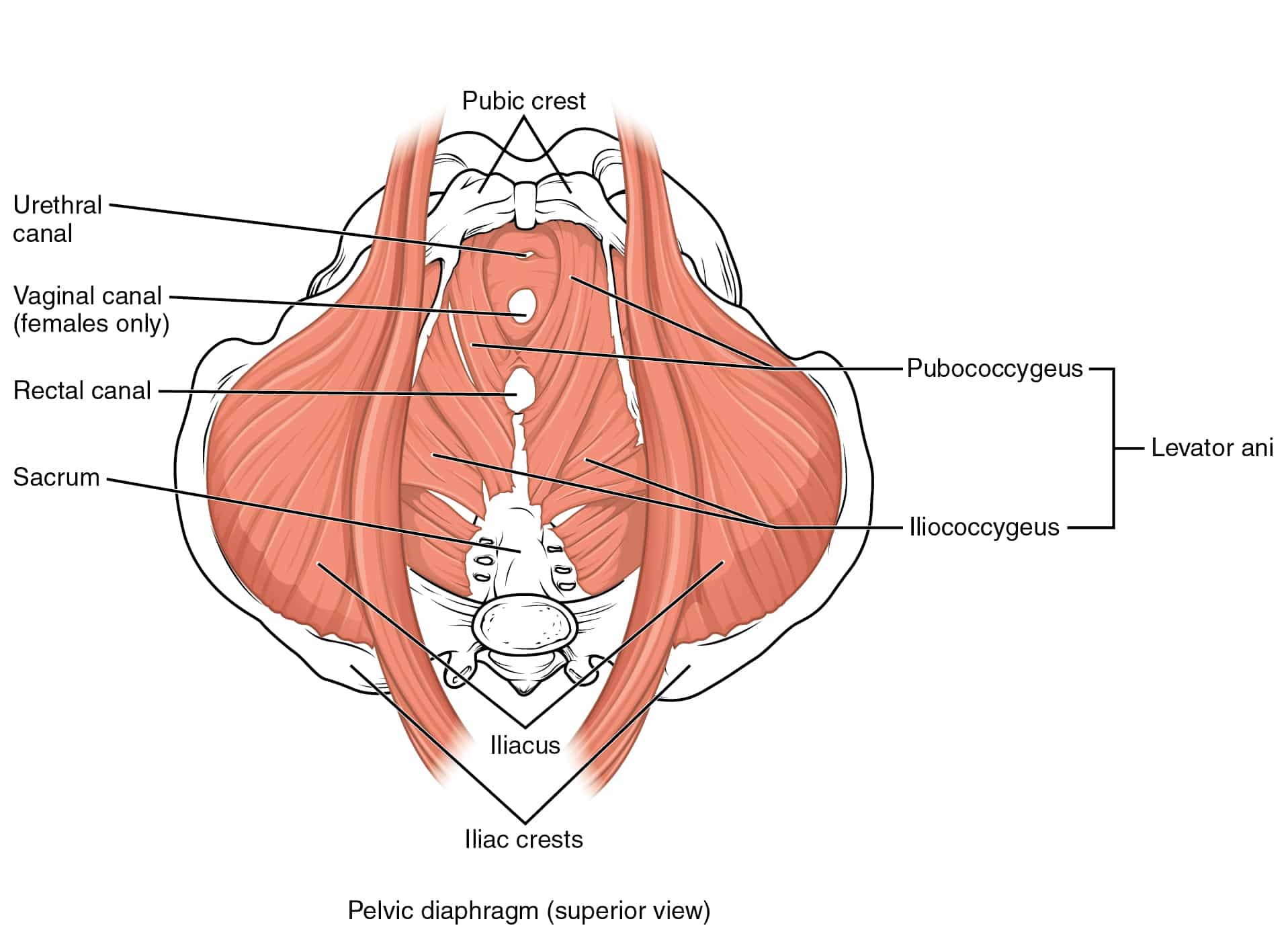
Hard flaccid syndrome feels like the penis is stuck partway, tense or retracted when it should be relaxed. Sensation can change, with numbness, buzzing, coldness or oversensitivity. There is often aching or pressure between the scrotum and anus as well. It tends to be worse after stress, long sitting, heavy lifting or sex.
What’s commonly involved is a pelvic floor that has stayed tight, plus nerves that have become sensitive. Tight deep pelvic floor and hip muscles can change how the tissue feels and refer symptoms into the penis and perineum. The pudendal nerve can become sensitive to pressure and stretch. Stress keeps the whole system braced.
Once your doctor has ruled out vascular, infectious and neurologic causes, I treat these contributors with dry needling, a form of acupuncture, and electroacupuncture. Where the obturator internus and deep pelvic floor squeeze the pudendal nerve, especially when you sit, I needle those muscles to give it space. For an irritable pudendal nerve or its branch to the penis, electroacupuncture uses a gentle current through fine needles nearby to help shift signaling. When the stress response is stuck on high, I work at S2 to S4 and the lower thoracic and upper lumbar spine. Those levels carry the automatic nerves that set pelvic muscle tone and blood flow.
Most men have had normal imaging, reassurance, and sometimes medication for anxiety, pain or erections. Some are told it’s a pinched nerve at one spot. Imaging doesn’t show trigger points (tight, tender knots in muscle), nerve sensitivity, or changes in how tight the pelvic floor is at rest. Medication can ease symptoms for a while without changing those tissues. If you’ve seen a pelvic floor PT for hard flaccid, needling is a separate tool they can’t use in New York. The state doesn’t allow PTs or chiropractors to dry needle.
I start with when symptoms began, what makes them flare, such as sitting, training, stress or sex, and what medical testing you’ve had. Then the exam:
I work with your urologist and pelvic floor PT. If something I find suggests your urologist should recheck it, I’ll tell you and share the exam details.
No. Symptoms are commonly driven by physical factors like pelvic floor tone, trigger points and nerve sensitivity. Stress and attention can amplify them, but that doesn’t make them imaginary.
If you haven’t had a medical evaluation, yes. See a doctor promptly for sudden onset after an injury, progressive numbness or weakness, being unable to urinate, blood in the urine, fever, or significant swelling. My care works alongside your doctor once serious causes are ruled out.
It’s usually a combination. Dry needling eases the obturator internus and pelvic floor where they press on the pudendal nerve, and electroacupuncture helps the nerve’s signaling. Work at the sacral and thoracolumbar levels aims to calm a stress response that’s stuck on high. As resting sensation and flares change, I rebalance those three parts.
The goals overlap, but the tools differ. I use dry needling and electroacupuncture for trigger points, tight tissue and nerve sensitivity that may not respond to stretching or strengthening alone. I’m glad to work alongside your PT when that makes sense.
Early on, visits are closer together to settle symptoms, then they space out. How fast that happens depends on how intense your symptoms are and how consistent your triggers are. I adjust based on how you respond, not a preset package.
Temporary soreness or a short flare can happen with sensitive pelvic and hip tissue. I dose carefully, choose targets strategically, and check how you respond over the next 24 to 72 hours.
Adults with pelvic floor, nerve and orthopedic pain, along with neurological conditions. Most of my patients come to me after other care hasn't fully settled things. If you're looking for general wellness acupuncture, I'm not the right fit.
We review your history and what you've already tried. I assess the muscles and nerves involved, and you're treated the same day.
It depends on the condition. Pelvic and orthopedic plans usually run 4 to 6 weeks. Neurological plans are usually 2 visits a week for 6 weeks or 3 a week for 4. After that, visits space out so the changes hold. These are typical timelines, not promises.
Yes. I work alongside doctors, physical therapists and specialists. If something I find needs a closer look from one of them, I'll tell you.
I'm an out-of-network provider. You pay at the time of your visit, and my office submits the claim so any reimbursement comes to you. Free benefit checks are available before your first visit through the verification form, and HSA and FSA cards work. I don't take Medicare or Medicaid, though some Medicare Advantage plans reimburse out-of-network care. Full insurance details
Yes. I treat adults, teens and children, though I don't specialize in infants or toddlers.
Yes. Book a free discovery call to ask your questions and see whether we're a good fit.
Dry needling is a form of acupuncture. Fine needles go into tight bands of muscle and trigger points to lower muscle tension and change how the area is signaling.
You may feel a brief twitch or a deep ache as the needle reaches tight muscle. It passes quickly, and any soreness afterward usually fades within a day or two.
It's generally safe with a properly trained practitioner. Needles are sterile and single-use, and I check your health history first, including blood thinners. In New York, dry needling can only be performed by licensed acupuncturists, MDs and DOs. Physical therapists and chiropractors aren't permitted to perform it.
Eat something light beforehand and wear loose clothing that lets me reach the area being treated.
Usually not. Ultrasound helps in a few specific cases, but it hasn't been shown to improve results for common trigger points. A careful hands-on exam is what guides the needle. More on ultrasound-guided dry needling
Dry needling aimed at the pelvic floor and the hip and abdominal muscles around it, for pain, tension and urinary symptoms driven by those muscles and their nerves. More on pelvic floor dry needling
Sometimes, depending on the muscles involved, and you'll be draped throughout. Treatment always follows your consent and comfort. I don't do internal exams or internal treatment.
No, though it helps if you've already seen a doctor or pelvic floor physical therapist. Bring any notes or imaging you have.
Completely. I've heard it all, and there's no judgment here, just a straightforward conversation so we can treat what's going on.
Yes, I treat adults of every gender and identity. After gender-affirming surgery involving the pelvis, bring your surgical notes and we'll decide together what fits.
We also offer house calls and after-hours appointments by arrangement.
Private Access & House Calls →Ready when you are.
Limited spots each week — book now to reserve yours.

118 W. 72nd St, Rear Lobby, New York, NY 10023
Evidence-based acupuncture and dry needling on the Upper West Side. From chronic pain and headaches to pelvic floor dysfunction, Dr. Jordan Barber pairs the highest level of training with care that actually listens.

Member Clinic
An independent practice and member of New York Acupuncture Group, sharing clinical space and operations in Manhattan.
This site does not provide medical advice. Always consult a qualified healthcare professional before making changes to your health. Read our full disclaimer.