Acupuncture for Hip Pain from Arthritis, Sciatica, and Tight Muscles
Reviewed by Dr. Jordan Barber, DACM, L.Ac.
February 5, 2026
7 min read
Hip pain can quietly reshape daily life. Walking becomes cautious. Sitting feels uncomfortable. Sleep positions change without much thought. Many people are told their symptoms come from arthritis, sciatica, or tight muscles, yet imaging findings and lived experience often do not line up simply. For those exploring Acupuncture for Hip Pain from Arthritis, confusion is common when pain patterns shift, fluctuate, or fail to match what scans suggest. Pain may feel deep in the joint one day and spread across the outer hip or glute the next.
This disconnect leads many patients to consider acupuncture, often with unanswered questions. What exactly can it help? How does it work in a clinical setting? Where are its limits?
This article explains how acupuncture is used clinically for hip pain related to joint degeneration, nerve-related referral patterns, and muscular or connective tissue restriction. The goal is clarity, not promises. We focus on why symptoms occur, how treatment decisions are made, and what current evidence supports.
What Causes Hip Pain?
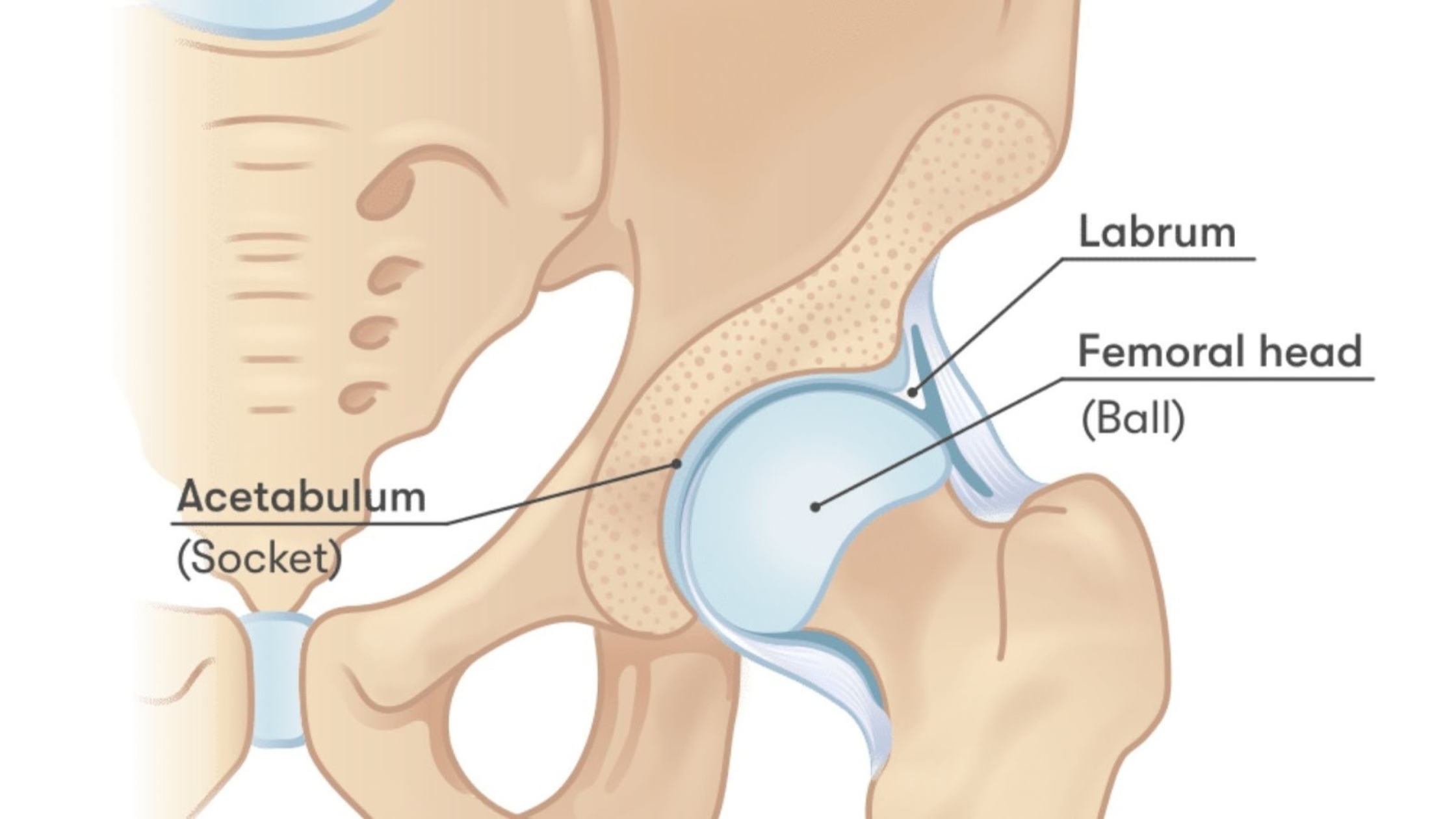
Hip pain is rarely a single-structure problem. The hip sits at the intersection of the spine, pelvis, and lower extremity, and symptoms often reflect interactions between these systems rather than isolated damage.
Why Can Different Conditions Feel the Same?
Pain location does not always equal pain source. The hip is influenced by several overlapping contributors.
Lumbar spine nerves that refer sensation into the hip and thigh.
Pelvic mechanics that affect load transfer during walking and sitting.
Deep stabilizing muscles that regulate joint control and movement efficiency.
Common overlapping contributors include reduced joint motion, nerve sensitization, and protective muscle shortening. This is why arthritis, sciatica, and muscular restriction can feel similar on the surface, even when underlying drivers differ.
Accurate assessment matters before selecting acupuncture techniques. Treating based on diagnosis labels alone often misses why pain persists.
How Acupuncture Is Used in a Clinical Pain Setting?
Not a One-Size-Fits-All Approach
Acupuncture is a licensed medical intervention under New York law. In a clinical pain setting, it is applied based on assessment findings rather than preset protocols or lifestyle models.
Clinical acupuncture differs from wellness-oriented approaches in both intent and execution. Treatment decisions are based on how symptoms behave, not on generalized point recipes.
We consider several factors.
Symptom behavior over time and with activity.
Functional testing, including movement quality and load tolerance.
Neurologic findings that suggest nerve involvement or sensitization.
Acupuncture is often combined with other tools when appropriate, including dry needling techniques, myofascial release principles, and neuro-musculoskeletal mapping. These methods are used to target specific contributors identified during evaluation.
Acupuncture for Hip Pain from Arthritis
Understanding Hip Arthritis Pain
Osteoarthritis involves changes in joint cartilage, altered mechanics, and progressive stiffness. Pain patterns are often load-related, meaning symptoms worsen with standing, walking, or transitions from sitting.
Importantly, imaging severity does not always match pain levels. Some people with advanced radiographic changes report minimal discomfort, while others with mild findings experience significant pain. This suggests that pain signaling, muscle response, and nervous system sensitivity play major roles alongside structural changes.
What Acupuncture May Help With?
When we use Acupuncture for Hip Pain from Arthritis, the goal is symptom modulation rather than structural repair. Acupuncture may help by influencing pain signaling pathways, improving surrounding muscle function, and supporting joint movement tolerance.
It does not regenerate cartilage or reverse joint degeneration. Instead, it aims to reduce the nervous system’s amplification of joint stress and improve how the hip is supported during movement.
What the Evidence Shows?
Research on acupuncture for osteoarthritis, including hip and knee arthritis, suggests modest symptom relief for some patients. Systematic reviews have found improvements in pain and function compared with sham or usual care, though results vary widely between studies.
The evidence supports symptom management, not joint regeneration. Limitations of existing studies include variable treatment protocols, short follow-up periods, and differences in patient selection. These factors make it difficult to predict individual response.
Outcomes often depend on mechanical contributors beyond the joint surface itself. When muscle control, pelvic mechanics, or nerve sensitivity drive pain, acupuncture may be more helpful than when symptoms are dominated by advanced structural limitation.
When Expectations Should Be Cautious
Response may be limited when there is severe mobility restriction, advanced structural collapse, or pain driven primarily by load intolerance rather than neural input. In these cases, acupuncture may still play a supportive role, but expectations should remain realistic.
Acupuncture for Hip Pain from Sciatica
Why Can Sciatic Pain Feel Like Hip Pain?
Sciatic symptoms originate from lumbar nerve roots but often present away from the spine. Referred pain commonly appears in the lateral hip, gluteal region, or posterior thigh. This leads many patients to believe the hip joint itself is the problem.
Nerve-related pain is frequently mislabeled as hip arthritis, particularly when imaging shows age-related joint changes that may not be clinically meaningful.
Clinical Role of Acupuncture
When using Acupuncture for Hip Pain from Sciatica, the clinical focus shifts toward nerve sensitivity and surrounding muscle response. Acupuncture may help by addressing protective muscle tone around irritated nerves and supporting central pain modulation within the nervous system.
It is important to differentiate nerve irritation from true nerve compression. Acupuncture does not decompress discs or reverse spinal stenosis, but it may influence how the nervous system processes and responds to irritation.
Evidence and Limitations
Studies examining acupuncture for radicular or sciatic pain suggest potential short-term symptom reduction for some individuals. Results vary based on the underlying cause, such as disc involvement or spinal narrowing, and on symptom duration.
Long-standing compression or progressive neurologic deficits tend to respond less predictably. This reinforces the need for accurate diagnosis before deciding whether acupuncture is appropriate.
Muscular and connective tissue restriction is a common contributor to hip pain, particularly in people who sit for long periods or perform repetitive activities. Key muscles often involved include the gluteus medius and minimus, deep hip rotators, and the iliopsoas.
When these muscles shorten or guard, they can alter joint mechanics and irritate nearby nerves, producing pain that mimics joint or nerve pathology.
The intent is not relaxation alone but restoration of more normal muscle behavior during movement.
When Muscle Treatment Works Best
Muscle-focused treatment tends to be most effective when pain is clearly linked to movement patterns, symptoms are reproducible with muscle testing, and there is no significant joint degeneration dominating the picture.
How Do We Decide What to Treat First?
Assessment-Driven Clinical Reasoning
Hip pain treatment begins with evaluation, not assumptions. We rely on movement testing, neurologic screening, and load response evaluation to determine primary contributors.
This process often reveals that meaningful drivers lie beyond the hip itself. Treatment may include lumbar, pelvic, or even foot and ankle considerations when they influence hip mechanics.
What a Typical Treatment Plan Looks Like?
Treatment plans follow a general structure rather than fixed timelines. An initial evaluation phase establishes working hypotheses. Short-term response monitoring helps determine whether acupuncture is influencing symptoms in a meaningful way.
Plans are adjusted based on symptom behavior rather than predetermined visit counts. Endless treatment plans are avoided when response is limited or absent, and alternative strategies are discussed.
Safety, Risks, and Professional Boundaries
What Patients Should Know?
Acupuncture is generally well-tolerated when provided by licensed professionals. Possible mild effects include temporary soreness or fatigue. Serious adverse events are rare when proper clinical standards are followed.
There are situations where coordination with or referral to other providers is appropriate. Acupuncture does not replace emergency or surgical care and should be part of an informed care plan.
Who May Not Be a Good Candidate?
Individuals with progressive neurologic deficits, acute trauma, or undiagnosed systemic conditions require medical evaluation before considering acupuncture. Red flags should always be addressed through appropriate medical channels.
FAQS
How long before improvement is noticed? Response varies. Some people notice changes within a few sessions, while others require more time to assess the effect.
Does acupuncture work alone or with other care? It is often most effective when integrated with other appropriate care strategies.
How are outcomes measured clinically? Changes in pain behavior, movement tolerance, and functional capacity guide decisions.
What if symptoms do not change? Lack of response prompts reassessment and discussion of alternative options.
Closing Thought
Hip pain is complex and often multifactorial. Acupuncture can play a meaningful role when it is used selectively and guided by clinical reasoning rather than protocols. Outcomes depend on accurate diagnosis, realistic expectations, and how each individual’s anatomy and nervous system respond to care.
If you are experiencing persistent hip pain and want a clear, anatomy-based explanation of what may be contributing to it, a clinical evaluation with Dr. Jordan Barber can help clarify underlying drivers and determine whether acupuncture or related techniques are the appropriate next steps.
Pelvic pain often stems from identifiable muscle and nerve dysfunction, not a mystery that needs to be managed indefinitely. Patients searching for pelvic floor acupuncture NYC are usually looking for…
Stress-related erectile dysfunction is more physiologically complex than most men realize. When chronic stress disrupts the autonomic nervous system, the downstream effect on erectile function is measurable, not psychological. ED…
Erectile dysfunction affects an estimated 30 million men in the United States, according to the National Institute of Diabetes and Digestive and Kidney Diseases. Most are familiar with the pharmaceutical…
Ready when you are.
Limited spots each week — book now to reserve yours.
Evidence-based acupuncture and dry needling on the Upper West Side. From chronic pain and headaches to pelvic floor dysfunction, Dr. Jordan Barber pairs the highest level of training with care that actually listens.
This site does not provide medical advice. Always consult a qualified healthcare professional before making changes to your health. Read our full disclaimer.