Can Pudendal Neuralgia Acupuncture in NYC Help Reduce Pelvic Nerve Pain?
Reviewed by Dr. Jordan Barber, DACM, L.Ac.
May 11, 2026
8 min read
Pudendal neuralgia is one of the most misunderstood and undertreated chronic pain conditions in clinical medicine. Patients frequently spend years cycling through providers before receiving an accurate diagnosis, and even then, treatment options are often limited to nerve blocks, anticonvulsant medications, or surgical decompression. Pudendal neuralgia acupuncture in NYC, as we practice it at Dr. Barber’s Clinic, offers a procedural alternative that targets the nerve pathways and surrounding musculature driving this pain, without relying solely on pharmaceutical management. The approach is grounded in neuroanatomy, not theory.
What Is Pudendal Neuralgia and Why Is It So Hard to Treat?
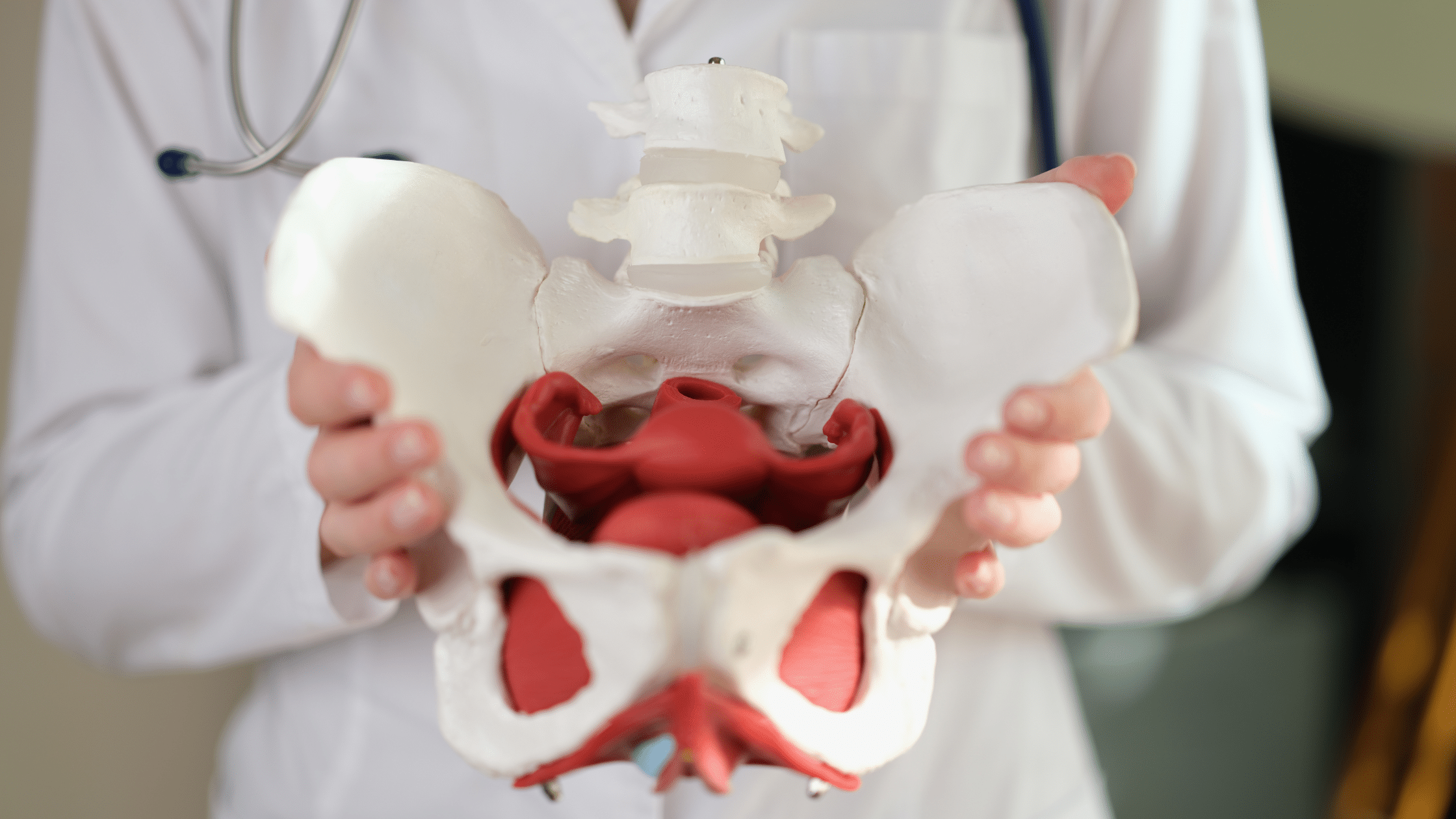
The pudendal nerve is a mixed sensory and motor nerve that originates from the sacral nerve roots S2, S3, and S4. It travels through Alcock’s canal along the inner surface of the obturator internus muscle, branching to innervate the perineum, genitals, urethra, and rectum. When this nerve becomes compressed, irritated, or sensitized, the resulting pain can be severe and highly disruptive to daily function.
Clinically, pudendal neuralgia presents as burning, stabbing, or aching pain in the perineum, genitals, or rectal region. A defining feature is that pain typically worsens significantly with sitting and improves when standing or lying down, a pattern that reflects the positional compression of the nerve along its course through the pelvic floor.
The condition is notoriously difficult to treat for several reasons. First, it is frequently misdiagnosed as a musculoskeletal, urological, or psychological problem because standard imaging often returns normal results. Second, the pain generators are often multiple, involving both the nerve trunk itself and the surrounding musculature that directly contacts it. Third, many standard interventions address only one of those generators at a time, leaving patients with incomplete relief.
How Neuro-Functional Acupuncture Targets the Pudendal Nerve
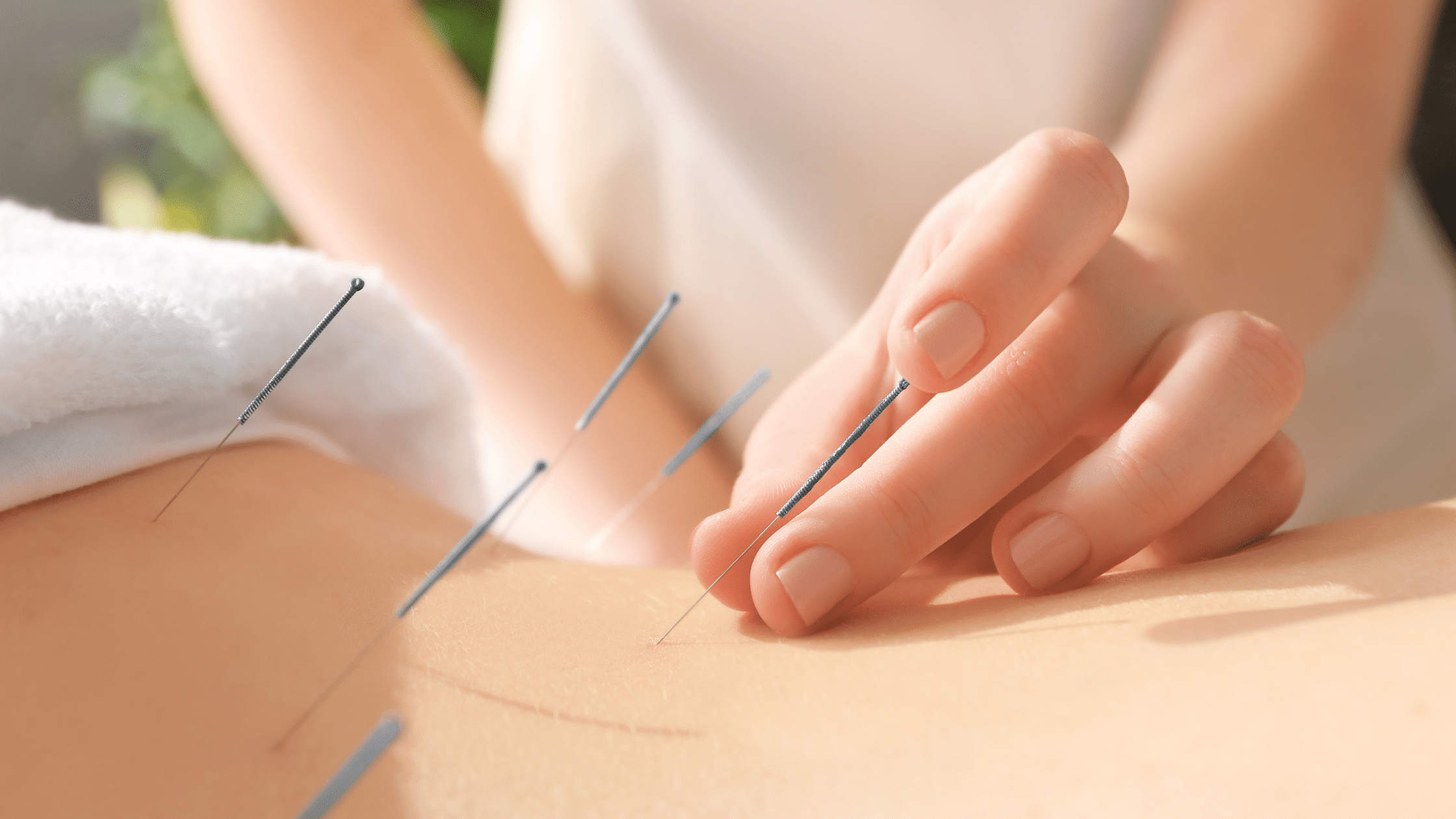
Our neuro-functional acupuncture approach at Dr. Barber’s Clinic is fundamentally different from conventional acupuncture descriptions. The treatment is not based on meridian theory or energy models. Instead, needle placement is directed by anatomical mapping of the pudendal nerve’s course and the specific nerve entry points where stimulation produces a measurable neurological response.
When needles are placed at these anatomically identified sites, including the sacral foramina, perineal branches, and dorsal nerve of the penis or clitoris, depending on the presentation, they modulate nerve excitability directly. This means we are working to reduce the excessive electrical activity in the nerve that is generating the pain signal, rather than treating symptoms downstream.
The mechanism involves both peripheral and central pathways. At the local level, needling at or near the nerve reduces peripheral sensitization, the state in which the nerve’s threshold for firing has dropped so low that normal stimuli register as painful. At the spinal cord level, the needle signal travels to the dorsal horn and activates descending inhibitory pathways that suppress incoming pain signals from the pelvis. This is the same mechanism exploited by TENS therapy and spinal cord stimulation, applied here through precise anatomical needle placement.
The Role of Pelvic Musculature in Pudendal Nerve Pain
One of the most important and often overlooked contributors to pudendal neuralgia is the muscular environment the nerve passes through. The pudendal nerve travels through and adjacent to the obturator internus and piriformis muscles. When these muscles develop trigger points or sustained hypertonia, they can mechanically compress the nerve along its course, amplifying or directly causing nerve irritation.
Our pelvic floor dry needling protocol addresses this muscular component directly. By needling trigger points within the obturator internus, piriformis, and other pelvic floor muscles implicated in the patient’s specific pain pattern, we reduce the compressive load on the pudendal nerve. This is a procedural treatment distinct from pelvic floor physical therapy, which addresses muscular dysfunction through manual techniques and exercise. Dr. Jordan Barber supports physical therapy as part of a multidisciplinary approach, but his role is specifically in procedural medicine, treating the nerve and muscle at a depth and precision that manual therapy cannot reach.
The distinction matters clinically. A patient with active trigger points compressing the pudendal nerve will see limited benefit from nerve-focused treatment alone if that muscular compression is not also addressed. Similarly, treating only the muscle while the nerve remains sensitized will leave the central pain component intact. The most effective outcomes come from assessing both contributors and treating them as part of a coordinated plan.
What a Clinical Assessment Looks Like at Dr. Barber’s Clinic
Before any treatment begins, Dr. Barber conducts a detailed neuroanatomical intake. This includes a thorough history of symptom location, character, onset, and aggravating factors, a review of prior diagnoses and treatments, and a functional assessment that helps identify whether the primary pain generator is the nerve, the muscle, or both.
This assessment drives everything. Two patients presenting with perineal pain may have completely different underlying contributors, and they should not receive identical treatment protocols. One may have primary nerve sensitization with minimal muscular involvement. Another may have significant obturator internus hypertonia compressing the nerve at Alcock’s canal. The clinical picture determines the intervention.
Where appropriate, we coordinate with physical therapists, urologists, and other specialists managing the patient’s care. Pudendal neuralgia rarely exists in clinical isolation, and the best outcomes are achieved when each provider’s role in the treatment plan is clearly defined. You can learn more about the full range of pelvic conditions we treat at our clinic.
What the Research Shows About Acupuncture for Pelvic Nerve Pain
The clinical evidence for neuro-functional acupuncture in chronic pelvic pain continues to develop. Studies published in journals including the European Journal of Pain have demonstrated significant reductions in chronic pelvic pain scores following acupuncture protocols targeted at the sacral nerve roots and pudendal nerve distribution. The proposed mechanisms include modulation of spinal cord pain processing, reduction in peripheral nerve sensitization, and normalization of pelvic floor muscle tone through motor nerve inhibition.
Electro-acupuncture, which adds controlled electrical stimulation to the needle, has shown particular promise for neuropathic pain conditions. The electrical current delivered through the needle amplifies the neuromodulatory signal and allows practitioners to match stimulation frequency to specific physiological targets. At Dr. Barber’s Clinic, electro-acupuncture is incorporated where clinically indicated, particularly in cases with significant nerve sensitization or central sensitization components.
This is not a cure, and we don’t present it as one. For most pudendal neuralgia patients, the goal is meaningful, sustained pain reduction and functional improvement, and achieving that requires a methodical, anatomy-based approach over a structured treatment course.
Conclusion
Pudendal neuralgia is a complex nerve pain condition that demands a treatment approach as precise as its anatomy. Pudendal neuralgia acupuncture in NYC, as practiced at Dr. Barber’s Clinic, addresses the nerve directly, through anatomically targeted needling that works on the mechanisms generating the pain rather than masking its symptoms. For patients who have been told there are no good options, a properly structured procedural approach often tells a different story.
At Dr. Barber’s Clinic
Dr. Jordan Barber is a medical practitioner specializing in procedural pain treatment, including neuro-functional acupuncture and pelvic floor dry needling for complex pelvic nerve conditions. We treat pudendal neuralgia, pelvic myofascial pain, and related neurological presentations with clinical precision and a framework grounded entirely in evidence-based medicine. Our assessments are thorough, our protocols are anatomy-driven, and our outcomes are measured by what patients can do, not just what they report feeling.
Book a consultation with Dr. Barber to discuss a treatment approach built around your specific nerve pain pattern.
Frequently Asked Questions
What does pudendal neuralgia feel like?
Pudendal neuralgia typically presents as burning, stabbing, or aching pain in the perineum, genitals, or rectal area. A characteristic feature is that pain worsens with sitting and improves with standing. Some patients also experience urinary urgency, difficulty with bowel function, or pain with sexual activity, depending on which branches of the nerve are most affected.
Can acupuncture help nerve pain in the pelvis?
Yes, when applied through a neuro-functional framework that targets specific nerve pathways and anatomical points along the nerve’s course. At Dr. Barber’s Clinic, our approach is directed by pudendal nerve anatomy and aims to reduce peripheral nerve sensitization and central pain processing, not to provide general pain relief.
Is pelvic floor dry needling the same as pelvic floor physical therapy?
No. Pelvic floor dry needling is a procedural medical intervention that places needles directly into dysfunctional muscle tissue and nerve points within the pelvic floor. Physical therapy is a separate discipline using manual techniques, movement, and exercise. Dr. Barber performs dry needling as a procedural complement to physical therapy, not a replacement for it.
How many sessions does it take to see improvement with pudendal neuralgia treatment?
Most patients begin to notice measurable changes within 4 to 6 sessions, though the full treatment course for chronic pudendal neuralgia typically spans 8 to 12 sessions or more, depending on the severity and duration of symptoms. Dr. Barber sets functional benchmarks at the outset of treatment so progress can be tracked objectively.
What’s the difference between pudendal neuralgia and pelvic floor dysfunction?
Pudendal neuralgia specifically refers to pain generated by the pudendal nerve itself, due to sensitization, compression, or irritation of the nerve along its anatomical course. Pelvic floor dysfunction is a broader term encompassing any impairment of the pelvic floor muscles, which can be a contributing factor to pudendal neuralgia, but it is not the same condition. Many patients have both, which is why Dr. Barber assesses each contributor separately before building a treatment plan.
Pelvic pain often stems from identifiable muscle and nerve dysfunction, not a mystery that needs to be managed indefinitely. Patients searching for pelvic floor acupuncture NYC are usually looking for…
Stress-related erectile dysfunction is more physiologically complex than most men realize. When chronic stress disrupts the autonomic nervous system, the downstream effect on erectile function is measurable, not psychological. ED…
Erectile dysfunction affects an estimated 30 million men in the United States, according to the National Institute of Diabetes and Digestive and Kidney Diseases. Most are familiar with the pharmaceutical…
Ready when you are.
Limited spots each week — book now to reserve yours.
Evidence-based acupuncture and dry needling on the Upper West Side. From chronic pain and headaches to pelvic floor dysfunction, Dr. Jordan Barber pairs the highest level of training with care that actually listens.
This site does not provide medical advice. Always consult a qualified healthcare professional before making changes to your health. Read our full disclaimer.