Male Pelvic Floor Dysfunction Treatment with Dry Needling and Acupuncture
Reviewed by Dr. Jordan Barber, DACM, L.Ac.
July 13, 2026
7 min read
Male pelvic floor dysfunction is a musculoskeletal and neurological condition, though it is frequently misunderstood or misdiagnosed as something else entirely. Men who search for male pelvic floor dysfunction acupuncture are often looking for a treatment option that goes beyond generic advice to rest or wait it out. The pelvic floor is a functional muscle group tied directly to urinary, sexual, and bowel function, and when it becomes dysfunctional, the muscles and nerves in that region need direct, targeted treatment. This post explains what male pelvic floor dysfunction actually involves, how dry needling and neuro-functional acupuncture address it, and how this approach differs from physical therapy.
What Is Male Pelvic Floor Dysfunction
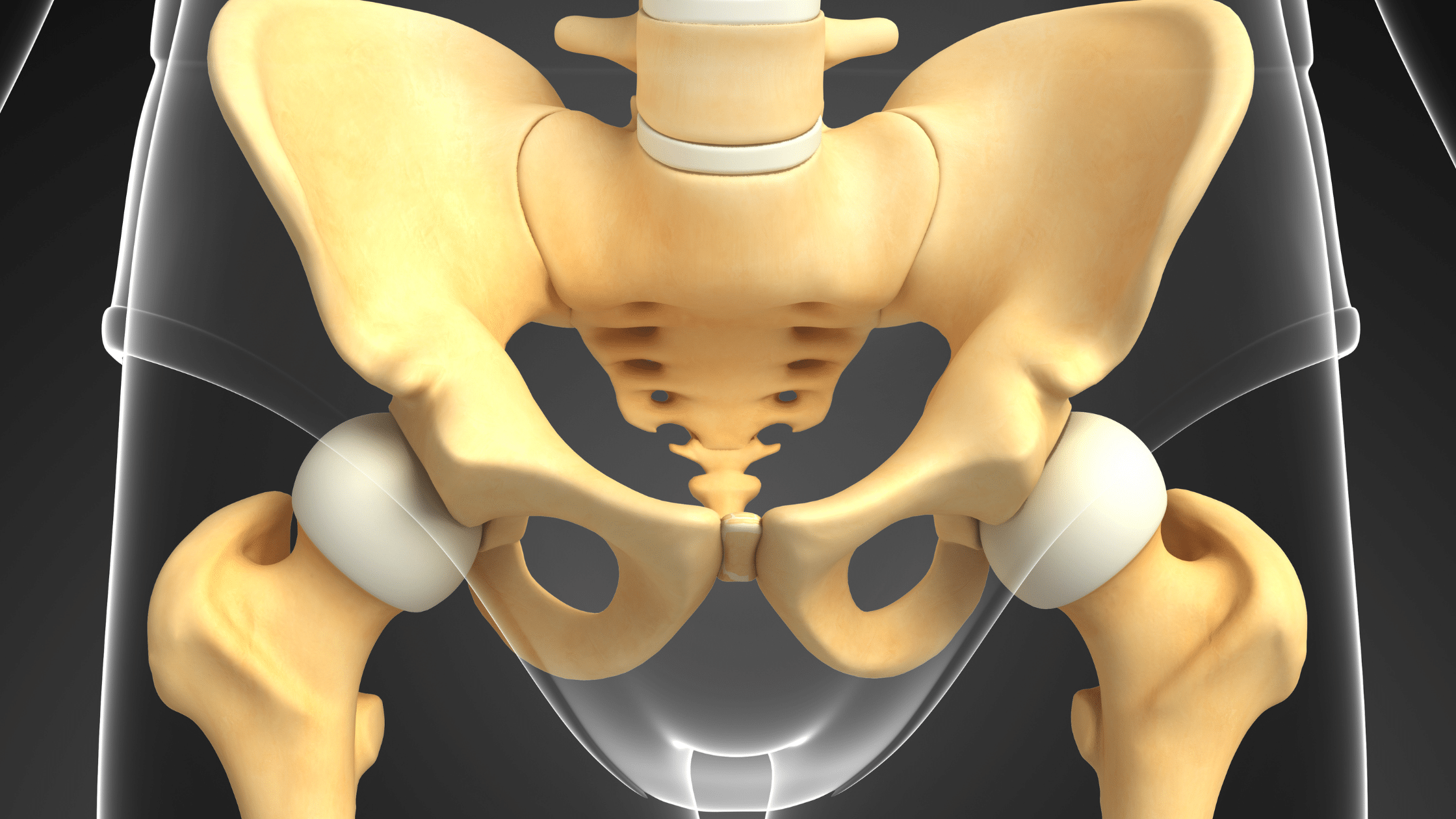
The pelvic floor is a group of muscles that supports the bladder, bowel, and reproductive organs while also playing a direct role in urinary control, bowel function, and sexual function. When these muscles become too tight, too weak, or uncoordinated, the result is pelvic floor dysfunction. In men, this often shows up as pelvic pain, urinary urgency or hesitancy, discomfort during or after ejaculation, or a persistent sense of tension in the pelvic region. These symptoms are frequently dismissed or misattributed to unrelated issues, which delays proper treatment. Because the pelvic floor muscles sit close to several major nerve pathways, dysfunction in this area is rarely limited to the muscles alone. It typically involves a nerve component that needs to be addressed for treatment to be effective.
Many men live with these symptoms for months or years before seeking treatment, in part because pelvic pain is not something men are used to discussing openly, and in part. After all, the symptoms are often misdiagnosed as unrelated conditions such as chronic prostatitis without a clear muscular or nerve explanation. A proper evaluation looks specifically at the muscle and nerve function of the pelvic floor, rather than treating symptoms in isolation, which is often what allows a clear cause to finally be identified.
Muscles and Nerves Involved
The pelvic floor musculature includes several layers of muscle that work together to support pelvic organs and control key bodily functions. Nerves that run through and near this muscle group, including branches of the pudendal nerve, are responsible for transmitting sensation and motor signals to and from the pelvic region. When pelvic floor muscles become tight or develop trigger points, they can compress or irritate these nearby nerves. This compression often produces symptoms that extend beyond the muscles themselves, including pain that radiates to the lower back, groin, or thighs, along with changes in urinary or sexual function. Understanding this muscle and nerve relationship is central to identifying an effective treatment approach.
Because these muscles are largely internal and difficult to assess through general observation, a provider familiar with pelvic floor anatomy relies on a detailed evaluation to determine which specific muscles and nerve branches are contributing to a patient’s symptoms. This level of specificity matters, since treatment aimed at the wrong muscle group or nerve pathway is unlikely to produce meaningful improvement.
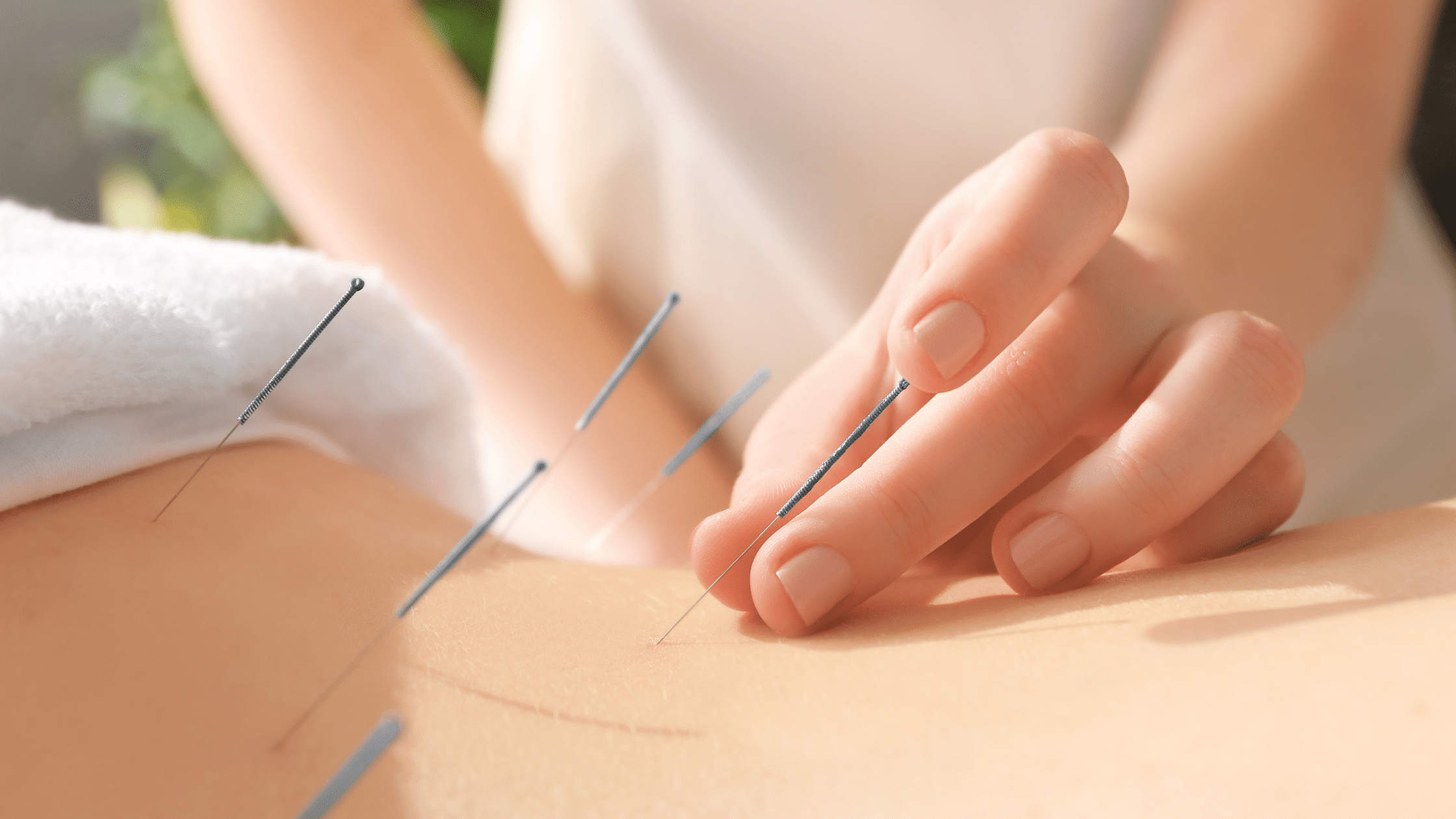
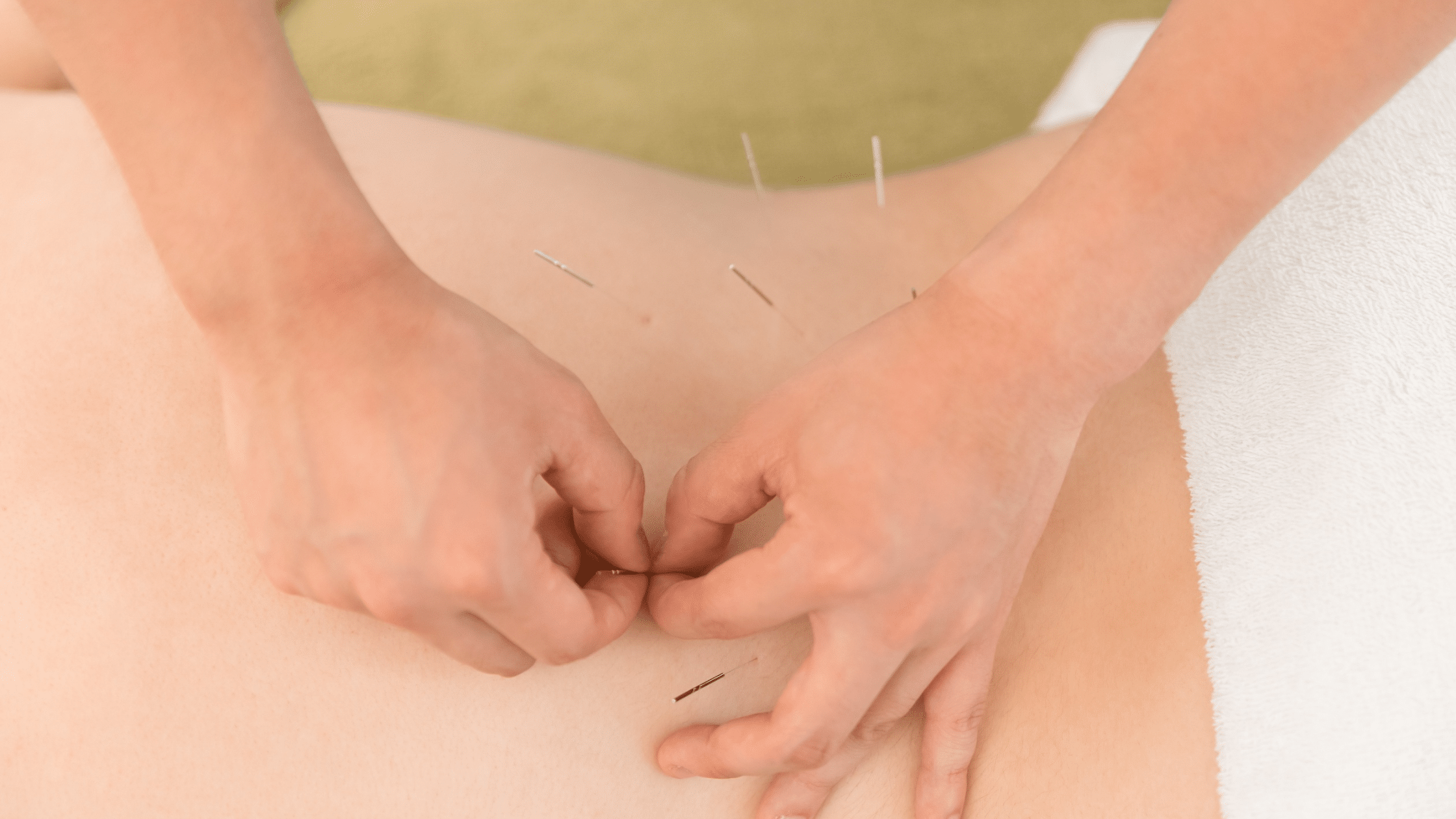
Pelvic Floor Dry Needling is a procedural technique that targets specific muscle trigger points directly with thin needles to reduce tension and restore normal muscle function. It is a subset of acupuncture, using needle insertion as its delivery method, but it is applied with a specific musculoskeletal goal in mind rather than a general treatment intent. By inserting needles directly into tight or overactive muscle fibers, dry needling helps release tension that has built up in the pelvic floor. This reduction in muscle tightness often relieves pressure on nearby nerves, which can improve the nerve-related symptoms that frequently accompany pelvic floor dysfunction. Because the technique works directly on the muscle tissue, results are often noticeable within the first few sessions, though full resolution typically requires a series of treatments.
The needles used in this technique are solid, not hollow, and no substance is injected. The therapeutic effect comes from the mechanical release of the trigger point itself, along with the localized change in muscle activity that follows. For men whose pelvic floor muscles have been chronically tight for an extended period, this direct release can produce a noticeable difference in comfort and function that indirect approaches, such as stretching alone, often fail to achieve.
How Pelvic Floor Neuro-functional Acupuncture Supports Treatment
While dry needling addresses the muscular component of pelvic floor dysfunction, Pelvic Floor Neuro-functional Acupuncture is used to address the nerve component more directly. This technique focuses on nerve signaling patterns in the pelvic region, aiming to improve how effectively nerves transmit and respond to signals related to bladder control, sexual function, and pain perception. Rather than functioning as a general treatment, neuro-functional acupuncture is applied with a specific focus on functional improvement, meaning measurable changes in symptoms and nerve behavior. When used alongside dry needling, it allows a provider to address both the muscular and neurological contributors to pelvic floor dysfunction within the same treatment plan.
This combined approach reflects the reality that muscle and nerve issues in the pelvic floor rarely exist independently of one another. Treating the muscle without addressing the nerve, or the nerve without addressing the muscle, often leaves part of the problem unresolved. A treatment plan that incorporates both techniques gives the provider a way to track progress across each component separately, adjusting the emphasis of future sessions based on how the patient responds.
Dry Needling and Physical Therapy Are Not the Same
Physical therapy is a separate medical discipline that focuses on movement, strengthening, and rehabilitation through structured exercise and manual techniques. Dry needling and neuro-functional acupuncture are procedural treatments that work directly on muscle tissue and nerve pathways using needle-based techniques. These are not interchangeable approaches, and Dr. Barber does not present himself as a physical therapist. Instead, his procedural treatments are designed to support physical therapy by addressing muscle tension and nerve irritation that may be limiting a patient’s progress in rehabilitation. Many patients benefit from a combined approach, where physical therapy builds strength and coordination while dry needling and neuro-functional acupuncture address the underlying tissue and nerve issues directly.
Patients who are already working with a physical therapist often find that adding procedural treatment helps them progress further in their rehabilitation program, since persistent muscle tension or nerve irritation can otherwise limit how much benefit physical therapy alone can provide. Coordinating between disciplines, rather than relying on one in isolation, tends to produce the most complete outcome.
Conclusion
Male pelvic floor dysfunction acupuncture, when it refers to Pelvic Floor Dry Needling and Pelvic Floor Neuro-functional Acupuncture, is a procedural approach that targets the muscles and nerves responsible for pelvic floor symptoms. By addressing both the muscular tension and the nerve signaling issues involved, this treatment offers a direct, evidence-based path toward reducing pain and restoring normal function, rather than leaving men to manage symptoms indefinitely.
Dr. Jordan Barber
Dr. Jordan Barber treats male pelvic floor dysfunction through Pelvic Floor Dry Needling and Pelvic Floor Neuro-functional Acupuncture, focusing on the musculoskeletal and neurological factors behind each patient’s symptoms. His procedural approach is designed to work alongside physical therapy rather than replace it. If pelvic pain or dysfunction has been affecting your daily function, schedule an evaluation to identify the muscle and nerve contributors involved.
FAQs
What is the difference between dry needling and physical therapy?
Dry needling is a procedural technique that targets muscle trigger points directly with needles, while physical therapy focuses on movement, strengthening, and rehabilitation. The two are often used together rather than as substitutes for one another.
What symptoms indicate pelvic floor dysfunction in men?
Common symptoms include pelvic pain, urinary urgency or hesitancy, discomfort during or after ejaculation, and a persistent sense of tension in the pelvic region.
Does dry needling hurt?
Most patients experience a brief sensation when the needle contacts a tight muscle fiber, followed by a release of tension. Discomfort is typically mild and short-lived.
How many treatments are usually needed to see improvement?
This varies based on the severity of the dysfunction, though many patients notice changes within the first several sessions, with a full treatment plan often spanning multiple weeks.
Can pelvic floor dysfunction affect sexual function?
Yes. Since the pelvic floor muscles and related nerves play a direct role in sexual function, dysfunction in this area can contribute to pain, altered sensation, or other sexual symptoms.
Pelvic pain often stems from identifiable muscle and nerve dysfunction, not a mystery that needs to be managed indefinitely. Patients searching for pelvic floor acupuncture NYC are usually looking for…
Searching for pudendal neuralgia treatment NYC often means you’re dealing with persistent pelvic, genital, or rectal pain—especially pain with sitting—and you need a clear, step-by-step plan. In New York City…
Pelvic floor symptoms have a way of disrupting everything. Pressure that builds as the day goes on, pain with sitting, urgency that interrupts your routine, and discomfort during ordinary activity…
Ready when you are.
Limited spots each week — book now to reserve yours.
Evidence-based acupuncture and dry needling on the Upper West Side. From chronic pain and headaches to pelvic floor dysfunction, Dr. Jordan Barber pairs the highest level of training with care that actually listens.
This site does not provide medical advice. Always consult a qualified healthcare professional before making changes to your health. Read our full disclaimer.