Pelvic Floor Dry Needling and Acupuncture for Pain in NYC
Reviewed by Dr. Jordan Barber, DACM, L.Ac.
July 28, 2026
6 min read
Pelvic pain often stems from identifiable muscle and nerve dysfunction, not a mystery that needs to be managed indefinitely. Patients searching for pelvic floor acupuncture NYC are usually looking for a procedural option, specifically Pelvic Floor Dry Needling and Pelvic Floor Neuro-functional Acupuncture, rather than a general wellness treatment. This post explains what causes pelvic floor pain, how these two procedural techniques work, and what a course of treatment looks like for patients in New York City.
What Causes Pelvic Floor Pain
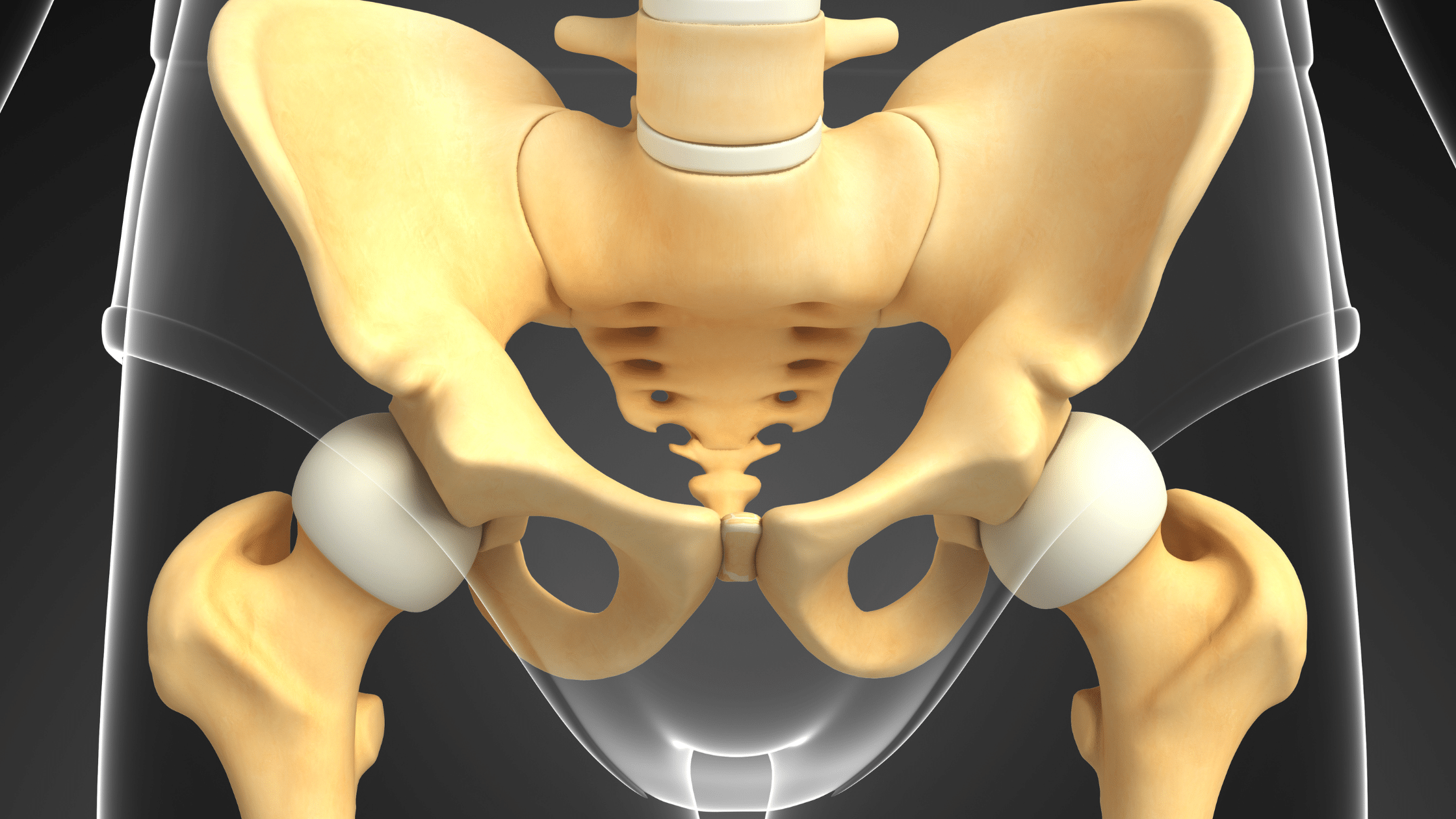
Pelvic floor pain often results from muscle tension and trigger points in the pelvic floor muscles. These trigger points form when muscle fibers stay contracted or overactive, which can happen after injury, repetitive strain, or prolonged tension in the pelvic region. As this tension builds, it can irritate or compress nearby nerves, adding a neurological component to what began as a muscular issue. The functional impact of this combination extends beyond pain alone. Patients often notice changes in movement, urinary function, or sexual function as the muscles and nerves in the pelvic floor struggle to operate normally. Identifying both the muscular and nerve components is necessary for treatment to address the actual source of the pain rather than the symptoms alone.
Pelvic floor pain affects both men and women, though the underlying anatomy and common contributing factors can differ between the two. In either case, the pain rarely resolves on its own once trigger points have formed, since the muscle tissue tends to stay contracted until it receives direct treatment. Patients often try rest, over-the-counter pain relief, or general stretching before seeking a proper evaluation, and while these measures may offer temporary relief, they typically do not address the trigger points or nerve irritation driving the pain.
How Pelvic Floor Dry Needling Works
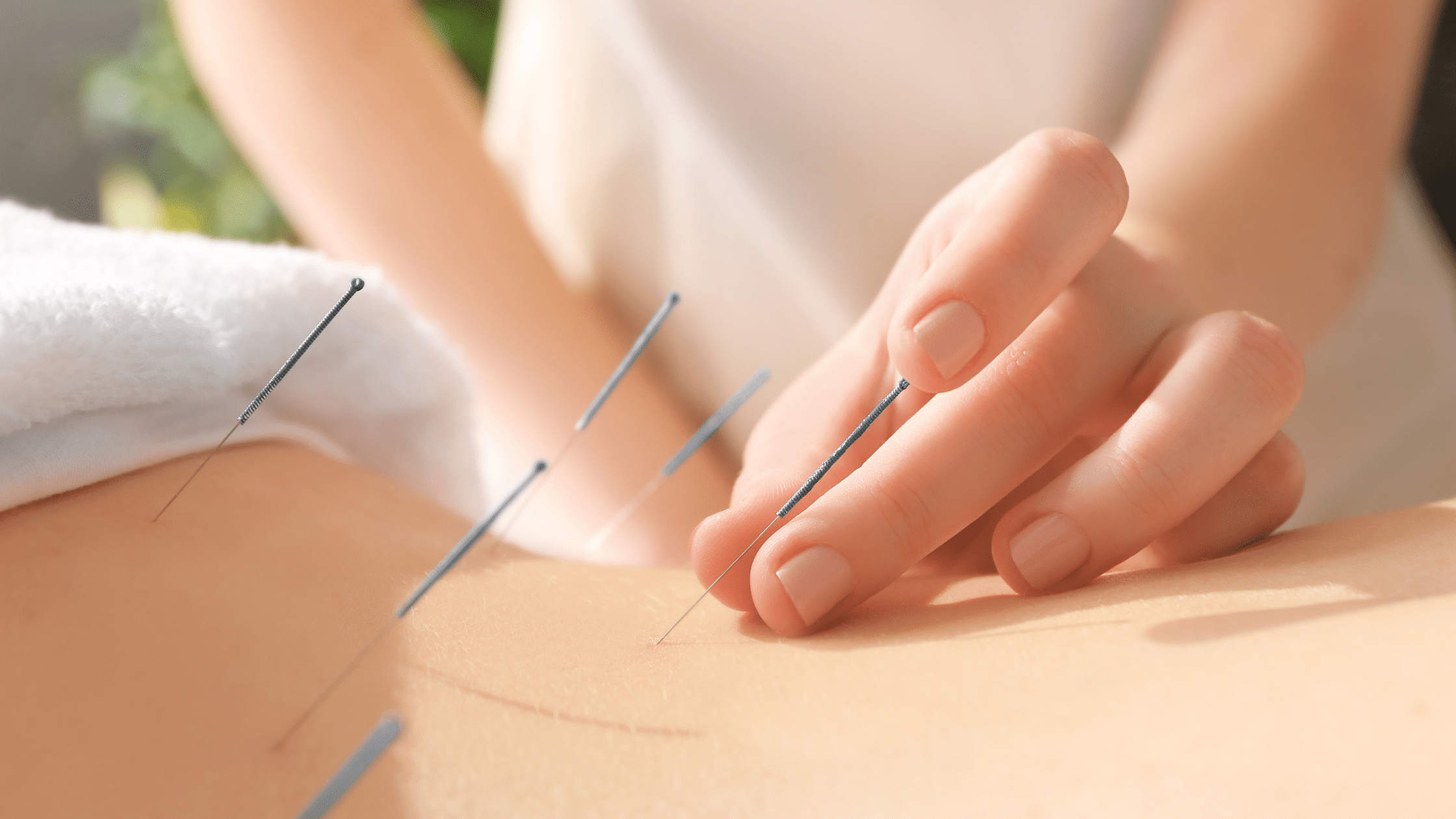
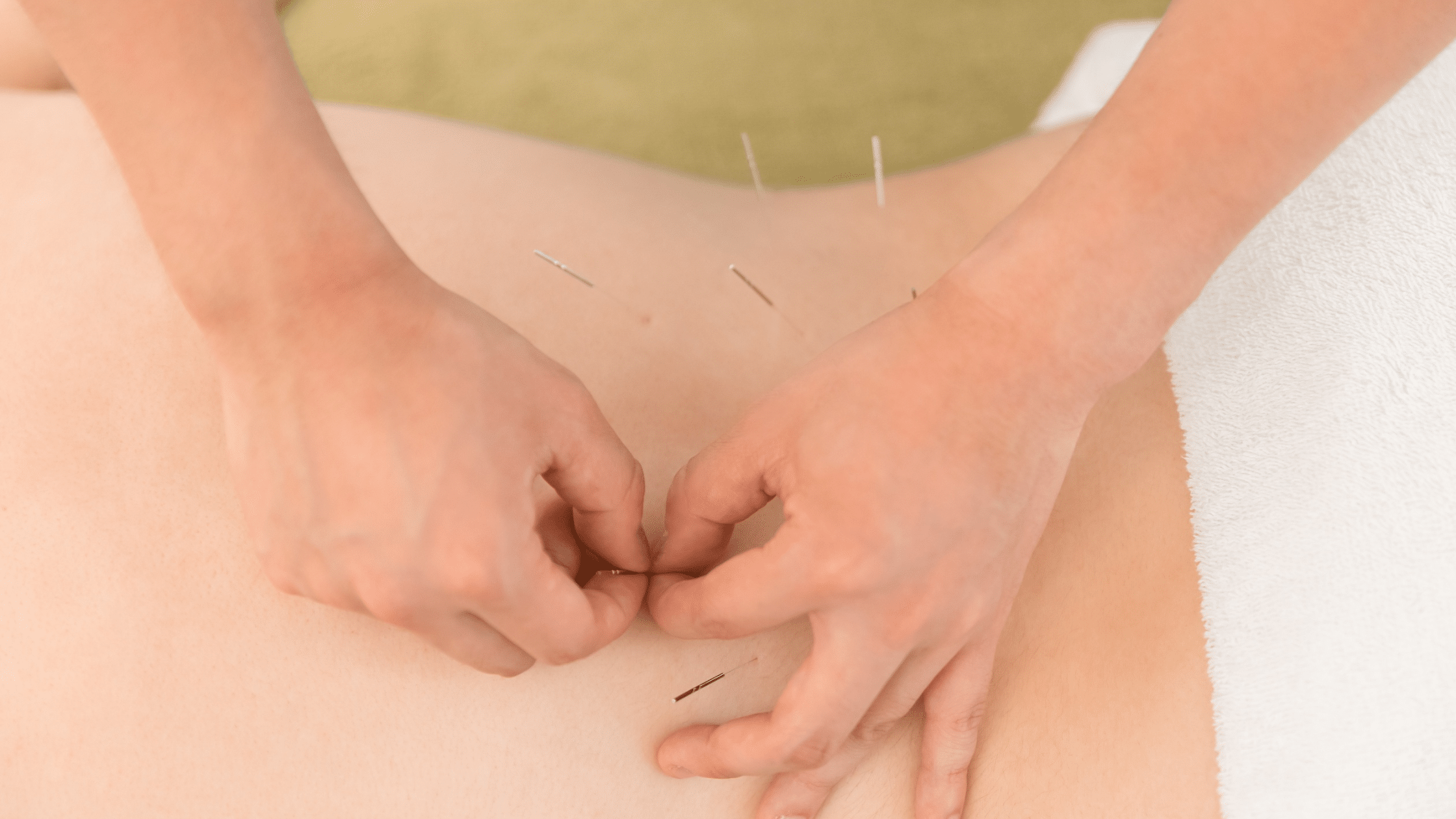
Pelvic Floor Dry Needling directly targets muscle trigger points using thin needles inserted into the affected tissue. This technique works as a targeted subset of acupuncture, applying needle-based treatment specifically to release tight or overactive muscle fibers. By addressing the trigger points directly, dry needling reduces the muscular tension that contributes to pelvic pain and helps relieve pressure on nearby nerves. Patients often notice a reduction in muscle tightness within the first few sessions, though a complete treatment plan typically involves multiple visits to fully address the muscular component of the pain.
Because the pelvic floor muscles are internal, precise needle placement requires a detailed understanding of the region’s anatomy. A provider trained specifically in pelvic floor treatment identifies which muscles hold the trigger points responsible for a given patient’s symptoms, rather than applying a generalized approach to the pelvic region as a whole.
How Neuro-functional Acupuncture Addresses Nerve Involvement
Pelvic Floor Neuro-functional Acupuncture focuses specifically on the nerve pathways involved in pelvic pain, aiming to improve how these nerves transmit and process pain signals. Rather than working only on the muscle tissue, this technique addresses the neurological contributors to pain directly. When used alongside dry needling, neuro-functional acupuncture supports functional improvement across both the muscular and nerve components of the condition, giving providers a way to treat the full scope of the problem within a single treatment plan.
This distinction matters most for patients whose pain has persisted long enough that the nervous system has become sensitized to it, a pattern sometimes seen in chronic pelvic pain. In these cases, muscle release alone may not fully resolve the pain, since the nerve pathways themselves have adapted to the ongoing signal. Addressing both the muscular and neurological components together gives treatment a better chance of producing a lasting change.
What Sets This Apart from Physical Therapy
Physical therapy is a distinct medical discipline centered on movement, strengthening, and structured rehabilitation. Pelvic Floor Dry Needling and Pelvic Floor Neuro-functional Acupuncture are procedural treatments that work directly on muscle tissue and nerve pathways through needle-based techniques. Dr. Barber’s role is not to replace physical therapy but to support it, addressing the muscular tension and nerve irritation that can limit a patient’s progress in a physical therapy program. Many patients find that combining procedural treatment with physical therapy produces better results than either approach used alone.
Patients frequently ask whether they should choose one approach over the other. In most cases, the two are complementary rather than competing options. Physical therapy builds strength, coordination, and long-term movement patterns, while dry needling and neuro-functional acupuncture address the muscle and nerve tissue directly, often making it easier for a patient to participate fully in physical therapy exercises without pain limiting their progress.
What to Expect at a Visit
A typical visit begins with an assessment of the muscular and nerve contributors to the patient’s pain, including a review of symptoms and relevant medical history. Based on this assessment, the provider develops a treatment plan that includes targeted Pelvic Floor Dry Needling and, when appropriate, Pelvic Floor Neuro-functional Acupuncture sessions. Progress is tracked against specific functional and pain-reduction goals throughout the course of treatment, allowing adjustments to be made as the patient responds. This structured approach gives patients a clear sense of what each session is working to accomplish.
Most patients can resume normal activity immediately after a session, and many report a noticeable reduction in muscle tightness within the first day or two. As treatment progresses, sessions are adjusted based on which trigger points and nerve pathways continue to show symptoms, allowing the plan to stay focused on the areas that need it most rather than following a fixed, one-size-fits-all schedule.
Why an Accurate Assessment Matters
Pelvic pain is often mismanaged when it is treated as a single, generic condition rather than a symptom with a specific muscular or neurological source. Patients sometimes cycle through general pain management approaches for months without improvement, simply because the underlying trigger points and nerve involvement were never directly identified. An assessment process focused specifically on pelvic floor anatomy, rather than a general pain evaluation, allows a provider to build a treatment plan around the actual source of a patient’s symptoms.
This distinction becomes especially important for patients who have already tried other approaches without success. A treatment plan built around a precise understanding of which muscles and nerves are involved gives patients a clearer, more direct path forward than repeating the same general strategies that have not worked.
Conclusion
Pelvic floor acupuncture NYC patients search for should mean procedural, evidence-based treatment through Pelvic Floor Dry Needling and Pelvic Floor Neuro-functional Acupuncture, delivered with a clear focus on the muscles and nerves responsible for pain. By addressing both components directly, this approach offers a structured path toward pain reduction and improved function, rather than leaving patients to manage symptoms without a clear plan.
Dr. Jordan Barber
Dr. Jordan Barber treats pelvic floor pain in New York City through Pelvic Floor Dry Needling and Pelvic Floor Neuro-functional Acupuncture, focusing on the specific muscle and nerve contributors behind each patient’s symptoms. His procedural approach is built to work alongside physical therapy rather than replace it. If pelvic pain has been limiting your daily function, schedule an evaluation to identify what is driving it.
FAQs
What does a pelvic floor dry needling session involve?
A session involves inserting thin needles directly into tight or overactive pelvic floor muscle fibers to release tension and reduce pain.
Is pelvic floor pain always muscle-related?
No. While muscle tension is a common contributor, nerve irritation often plays a role as well, which is why treatment frequently addresses both components.
How is this different from a physical therapy appointment?
Physical therapy focuses on movement and rehabilitation, while dry needling and neuro-functional acupuncture are procedural treatments that work directly on muscle and nerve tissue. The two are often used together.
How many sessions are typically recommended?
This depends on the severity of the condition, though many treatment plans span multiple sessions over several weeks.
Can this treatment help with both pain and functional symptoms?
Yes. By addressing the muscular and nerve components of pelvic floor dysfunction, treatment can improve both pain levels and related functional symptoms such as urinary or sexual difficulties.
Male pelvic floor dysfunction is a musculoskeletal and neurological condition, though it is frequently misunderstood or misdiagnosed as something else entirely. Men who search for male pelvic floor dysfunction acupuncture…
Searching for pudendal neuralgia treatment NYC often means you’re dealing with persistent pelvic, genital, or rectal pain—especially pain with sitting—and you need a clear, step-by-step plan. In New York City…
Pelvic floor symptoms have a way of disrupting everything. Pressure that builds as the day goes on, pain with sitting, urgency that interrupts your routine, and discomfort during ordinary activity…
Ready when you are.
Limited spots each week — book now to reserve yours.
Evidence-based acupuncture and dry needling on the Upper West Side. From chronic pain and headaches to pelvic floor dysfunction, Dr. Jordan Barber pairs the highest level of training with care that actually listens.
This site does not provide medical advice. Always consult a qualified healthcare professional before making changes to your health. Read our full disclaimer.