How a TMJ Specialist on the Upper West Side Treats Jaw Pain at Its Muscular Source
Reviewed by Dr. Jordan Barber, DACM, L.Ac.
June 1, 2026
7 min read
If your jaw clicks when you open it, locks at the worst moments, or leaves you with a dull headache by lunchtime, you already know how much of your day jaw pain can quietly take over. Most people reach for a night guard or a bottle of ibuprofen and hope the problem settles on its own. It rarely does, because the discomfort usually starts in the muscles and nerves that control the joint, not in the joint alone. A TMJ specialist on the Upper West Side looks past the popping sound and treats the structures actually generating your pain. That distinction changes everything about how the problem gets managed.
Jaw pain is one of the most misunderstood conditions in the body. It hides ear pressure, tension headaches, neck tightness, and even tooth pain that no dentist can explain. Once you understand what is really driving it, the path to relief becomes far more direct.
What Actually Causes TMJ Pain
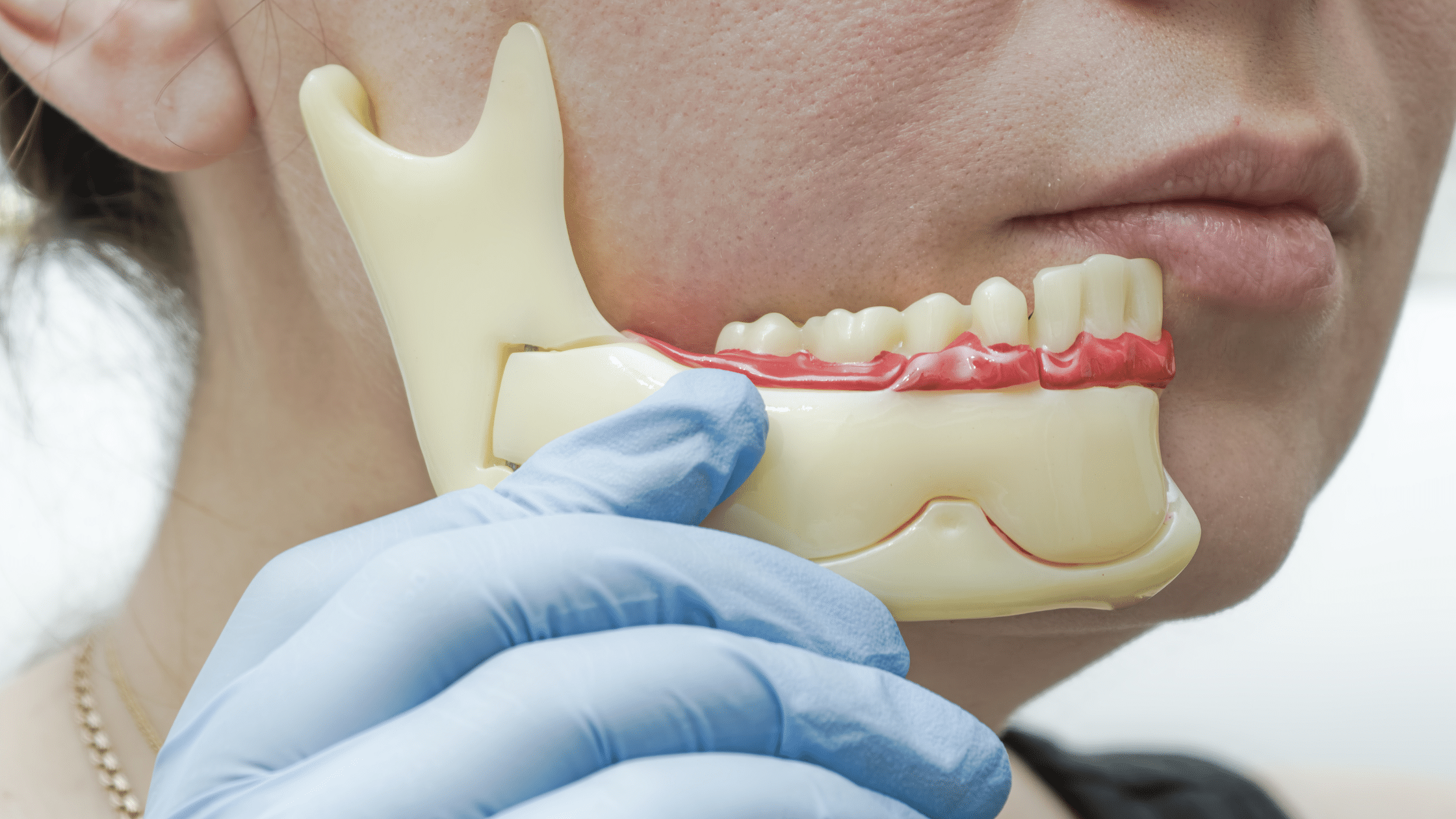
The temporomandibular joint sits just in front of each ear and connects your lower jaw to your skull. It is one of the most heavily used joints in the body, and it relies on a tight network of muscles to open, close, and grind. The masseter and temporalis muscles do most of the heavy lifting, while the smaller pterygoid muscles guide side-to-side movement. When any of these muscles tighten, shorten, or develop trigger points, they pull the joint out of its smooth rhythm and create pain.
Clenching and grinding, often during sleep, keep these muscles in a constant state of overwork. Over time, the muscle fibers stay contracted and tender, and they start to refer pain in the temples, the cheeks, and around the ears. This is why so many people with TMJ problems also report headaches that feel like they wrap around the side of the skull. The trigeminal nerve, which carries sensation across the jaw and face, amplifies all of this. When the surrounding muscles stay tight, they irritate the nerve, and the nerve, in turn, keeps the muscles on high alert. The cycle feeds itself.
Why Treating the Joint Alone Often Falls Short
Standard TMJ care tends to focus on the joint and the bite. Night guards reduce the damage from grinding, and anti-inflammatory medication takes the edge off a flare. Both have their place, yet neither addresses the overworked muscles that started the problem. A guard protects your teeth while you sleep, but it does nothing to release a masseter that has been locked tight for months.
This is the gap that frustrates so many patients. They follow the advice they were given, they wear the appliance every night, and the clicking and aching still return. The reason is simple. If the muscle dysfunction stays in place, the joint keeps getting pulled and loaded the same way it always was. Lasting relief requires treating the muscle and nerve drivers head-on.
How Dry Needling Targets the Muscles Behind TMJ
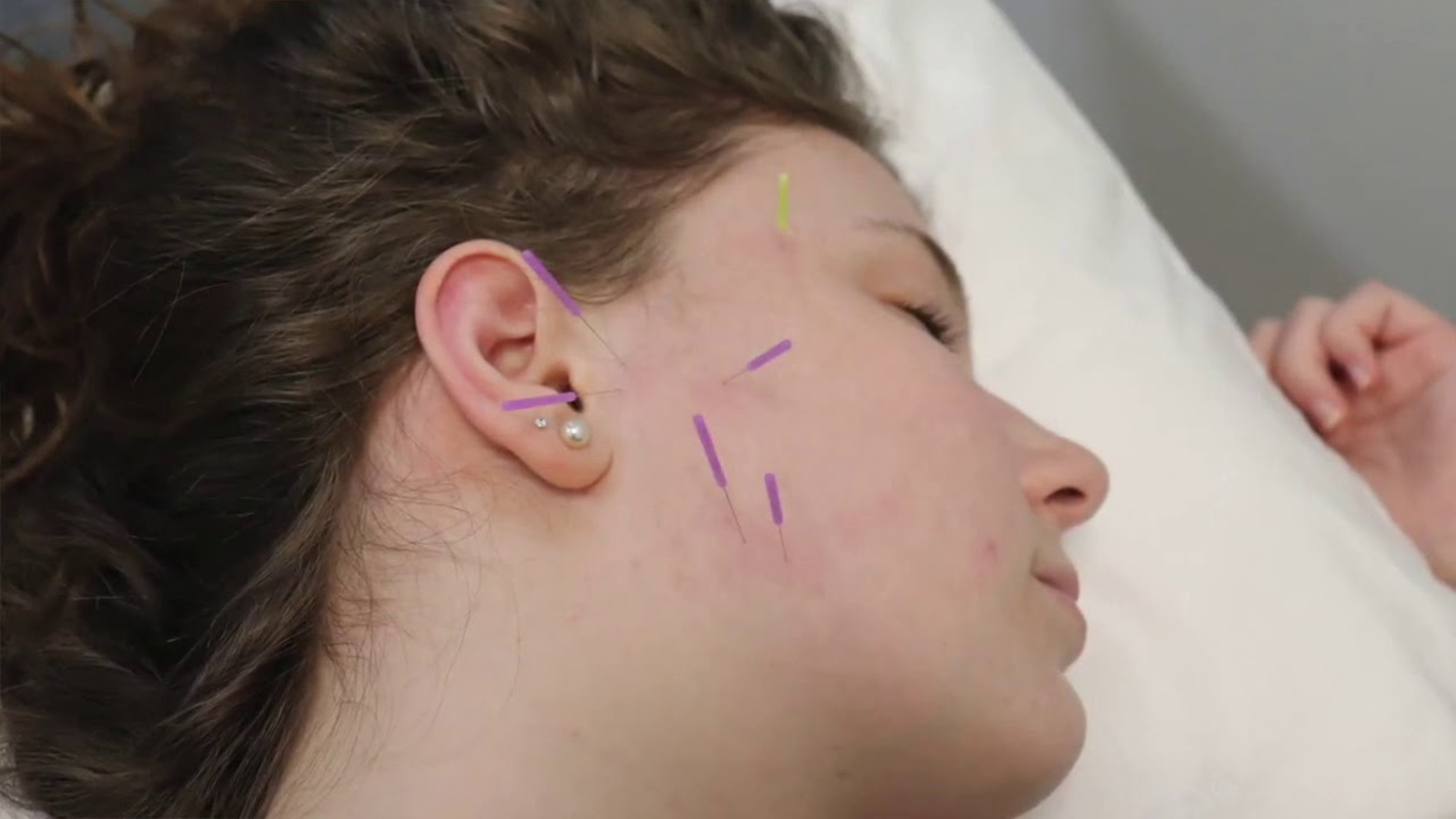
This is where a procedural approach makes a measurable difference. Dry needling places a thin filament needle directly into the tight bands and trigger points inside the jaw muscles. When the needle reaches an overactive knot in the masseter or temporalis, the muscle releases, blood flow improves, and the constant pull on the joint eases. Patients often notice that their jaw opens wider and feels looser within the first few sessions.
For pain that involves clear nerve irritation, neuromodulation through electro-acupuncture adds another layer. A controlled electrical current applied through the needles helps regulate the overactive nerve and muscle signaling that keeps the jaw braced and painful. This is not a general treatment applied to the whole body. It targets the specific muscles and nerves involved in your jaw mechanics, which is exactly what separates clinical care from a routine session.
Good TMJ treatment sets goals you can actually measure. A wider, pain-free jaw opening is one of the clearest markers, because it tells you the muscles are letting the joint move freely again. Fewer headaches, less clicking, and reduced jaw fatigue through the afternoon all point in the same direction.
Most patients move through a course of treatment rather than a single visit, since muscle patterns built over months take a series of sessions to retrain. Progress usually shows up in stages. The sharp pain settles first, then the range of motion improves, and finally, the day-to-day tension that you had stopped noticing begins to lift.
Everyday Habits That Keep the Jaw Locked
Treatment works best when the daily patterns feeding the problem change alongside it. Many people clench their jaws without noticing, especially while concentrating at a screen, sitting in traffic, or working through a stressful afternoon. The teeth are not meant to touch except when you chew or swallow, yet a clenched jaw keeps them pressed together for hours, which loads the masseter and temporalis far beyond what they can handle.
Chewing habits matter too. Gum, tough or chewy foods, and biting on pens or nails all keep the jaw muscles working overtime. Sleeping position plays a role as well, since pressing one side of the face into a pillow night after night can favor one side of the jaw and build asymmetry into the muscle pattern. None of these habits causes TMJ pain in isolation, but together they keep the muscles loaded and slow recovery.
A specialist will often point out the patterns specific to you, then pair that awareness with the procedural treatment. Simple changes, like resting the tongue lightly on the roof of the mouth to keep the teeth apart, give the overworked muscles a chance to recover between sessions. The needling releases the tension, and the habit changes keep it from rebuilding at full force.
How TMJ Pain Connects to the Rest of the Body
The jaw does not work in isolation. The muscles that move it connect to the neck and the base of the skull, so jaw dysfunction and neck tension frequently travel together. People who clench heavily often carry tightness across the upper neck, and that tightness feeds the headaches that bring them in. Treating the jaw with the neck in mind tends to produce better, longer-lasting results than treating the jaw alone.
This is also why an accurate assessment matters. Pain that seems to sit squarely in the jaw can have contributions from the neck, and pain that feels like a headache can trace back to the jaw muscles. A practitioner who understands the full muscular and neurological map of the region can sort out where the pain truly originates, then aim treatment at that source instead of chasing the symptom from one spot to the next.
Wrapping Up
Jaw pain does not resolve by treating the sound it makes. It resolves when you treat the muscles and nerves creating the problem in the first place. A TMJ specialist on the Upper West Side who works from the muscle and nerve level gives you a route to real functional improvement, not just temporary symptom control. If your jaw has been a daily distraction, the source is almost always closer to the muscle than you think.
About Dr. Jordan Barber
Dr. Jordan Barber is an evidence-based pain specialist on the Upper West Side who treats musculoskeletal and neurological pain with dry needling and neuro-functional acupuncture. His practice focuses on precise, procedural treatment of the muscles and nerves behind your pain rather than broad, generic care. If jaw pain, clicking, or recurring headaches have not improved with the usual measures, book a free consultation to find out what is actually driving them.
Frequently Asked Questions
Is dry needling for TMJ the same as acupuncture for relaxation?
No. Dry needling for the jaw targets specific trigger points in the masseter, temporalis, and related muscles to release tension and improve joint movement. It is a procedural treatment aimed at muscle and nerve function, not a general session focused on comfort.
How many sessions does TMJ treatment usually take?
Most patients need a short series of sessions rather than a single visit, because muscle patterns built over months respond gradually. Many notice a difference in jaw movement and pain within the first few treatments, with steady improvement after that.
Does dry needling near the jaw hurt, and is it safe?
You may feel a brief twitch or ache when the needle reaches a tight band, which usually signals the muscle releasing. Performed by a trained practitioner who understands the anatomy of the face and jaw, the treatment is safe and well-tolerated.
Can this help if I already wear a night guard?
Yes. A night guard protects your teeth from grinding, but it does not release the overworked muscles driving your pain. Dry needling addresses muscle dysfunction directly, so the two approaches can work alongside each other.
The signature of sciatica is hard to mistake. A sharp pain shoots from the lower back or buttock down the back of the leg, sometimes with numbness, tingling, or a…
You rested it. You stretched it. You waited for it to calm down the way every minor ache eventually does. Yet weeks later, the shoulder still aches when you reach…
Experiencing jaw pain, facial tightness, clicking, or headaches can quickly interfere with basic daily activities like eating, speaking, and even sleeping. Many people suffering from these symptoms don’t realize that…
Ready when you are.
Limited spots each week — book now to reserve yours.
Evidence-based acupuncture and dry needling on the Upper West Side. From chronic pain and headaches to pelvic floor dysfunction, Dr. Jordan Barber pairs the highest level of training with care that actually listens.
This site does not provide medical advice. Always consult a qualified healthcare professional before making changes to your health. Read our full disclaimer.