Arousal sensations I didn't ask for
They often come and go through the day and feel out of proportion to what's happening around you.

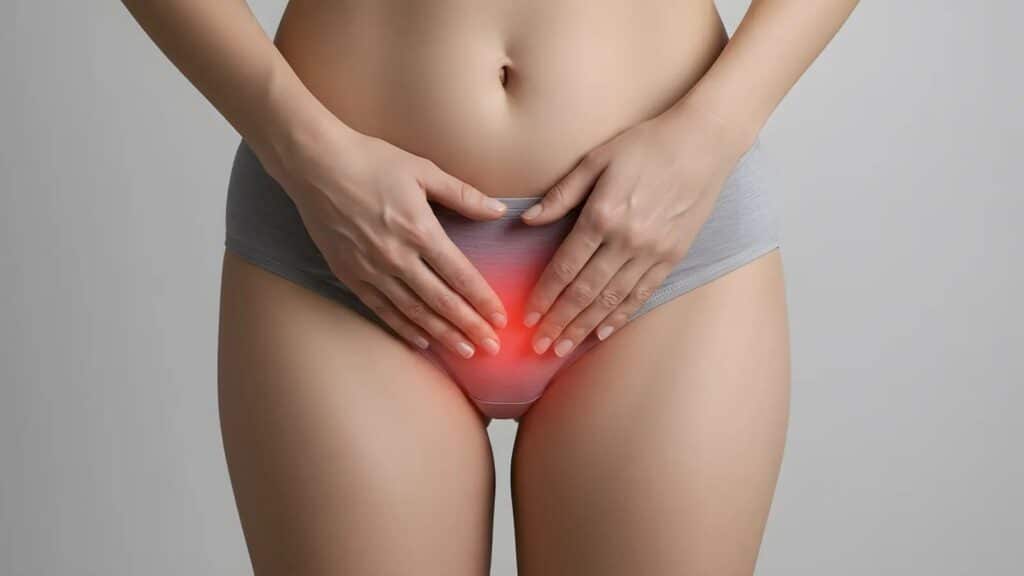
Persistent genital arousal disorder, or PGAD, means arousal sensations that show up without desire and don’t settle. They often rise and fall through the day and are hard to ignore at work or at night. Sitting, tight clothing and stress tend to make them stronger.
What’s commonly happening is a signaling loop. The pelvic floor muscles hold high tone and the nerves along the pelvic pathways become sensitive. The spinal cord learns the pattern and repeats it more easily. Normal pressure and movement then get read as a much bigger signal.
Treatment uses dry needling, a form of acupuncture, along with electroacupuncture. Muscles around the genitals, such as the bulbospongiosus and levator ani, can crowd the pudendal nerve’s branches. I needle them to relieve that pressure. An irritable pudendal nerve gets electroacupuncture, fine needles near it with a gentle current, to help change its signals. The arousal loop runs through the sacral cord, so I also treat the S2 to S4 segments serving the genitals to calm that amplification.
Most people have had gynecologic or urologic exams, imaging and labs, which are important for ruling out other causes. When those come back normal, there often isn’t a clear next step. Medication helps some people turn the sensations down, but it doesn’t change muscle tone or nerve sensitivity. Pelvic floor PT is a common next step, though it won’t include needling: in New York, physical therapists and chiropractors can’t legally dry needle.
I start with what your workup has already shown, when the sensations show up, and what helps them ease. Then the exam:
My work runs in parallel with gynecology, urology, neurology and pelvic floor PT. If something I notice is worth raising with one of them, I’ll let you know and share my notes.
PGAD is a medical diagnosis, and your physicians should evaluate it. I treat the muscle and nerve contributors that standard testing often doesn’t measure, and I’m glad to coordinate with your doctors. See a doctor promptly for new numbness or weakness, numbness in the saddle area, or a change in bladder or bowel control.
Pelvic floor PT can be essential. I add dry needling and electroacupuncture, guided by careful mapping of trigger points. Often several pieces are treated together. Relaxing the muscles around the genitals eases pressure on the pudendal branches. Current and sacral work quiet the arousal signal itself. Some people do PT and see me at the same time.
It depends on how long you’ve had symptoms, how sensitive the system is, and what’s driving them. Most PGAD plans run 4 to 6 weeks before visits start to spread out. I adjust the plan based on how you respond, not a preset number.
No. I don’t do internal work of any kind, and all treatment is external. You stay in control of what happens throughout each session. When internal pelvic floor work would be useful, I refer you to a pelvic floor physical therapist.
Yes. Imaging and labs are important for ruling out other conditions. They don’t measure muscle tone, trigger points or nerve sensitivity, which is what my exam looks at.
Goals usually include fewer or milder episodes, better sitting and sleep, and fewer unpredictable flares. Results depend on what’s driving your symptoms and any other conditions you have. I don’t promise a set outcome.
Adults with pelvic floor, nerve and orthopedic pain, along with neurological conditions. Most of my patients come to me after other care hasn't fully settled things. If you're looking for general wellness acupuncture, I'm not the right fit.
We review your history and what you've already tried. I assess the muscles and nerves involved, and you're treated the same day.
It depends on the condition. Pelvic and orthopedic plans usually run 4 to 6 weeks. Neurological plans are usually 2 visits a week for 6 weeks or 3 a week for 4. After that, visits space out so the changes hold. These are typical timelines, not promises.
Yes. I work alongside doctors, physical therapists and specialists. If something I find needs a closer look from one of them, I'll tell you.
I'm an out-of-network provider. You pay at the time of your visit, and my office submits the claim so any reimbursement comes to you. Free benefit checks are available before your first visit through the verification form, and HSA and FSA cards work. I don't take Medicare or Medicaid, though some Medicare Advantage plans reimburse out-of-network care. Full insurance details
Yes. I treat adults, teens and children, though I don't specialize in infants or toddlers.
Yes. Book a free discovery call to ask your questions and see whether we're a good fit.
Dry needling is a form of acupuncture. Fine needles go into tight bands of muscle and trigger points to lower muscle tension and change how the area is signaling.
You may feel a brief twitch or a deep ache as the needle reaches tight muscle. It passes quickly, and any soreness afterward usually fades within a day or two.
It's generally safe with a properly trained practitioner. Needles are sterile and single-use, and I check your health history first, including blood thinners. In New York, dry needling can only be performed by licensed acupuncturists, MDs and DOs. Physical therapists and chiropractors aren't permitted to perform it.
Eat something light beforehand and wear loose clothing that lets me reach the area being treated.
Usually not. Ultrasound helps in a few specific cases, but it hasn't been shown to improve results for common trigger points. A careful hands-on exam is what guides the needle. More on ultrasound-guided dry needling
Dry needling aimed at the pelvic floor and the hip and abdominal muscles around it, for pain, tension and urinary symptoms driven by those muscles and their nerves. More on pelvic floor dry needling
Sometimes, depending on the muscles involved, and you'll be draped throughout. Treatment always follows your consent and comfort. I don't do internal exams or internal treatment.
No, though it helps if you've already seen a doctor or pelvic floor physical therapist. Bring any notes or imaging you have.
Completely. I've heard it all, and there's no judgment here, just a straightforward conversation so we can treat what's going on.
Yes, I treat adults of every gender and identity. After gender-affirming surgery involving the pelvis, bring your surgical notes and we'll decide together what fits.
We also offer house calls and after-hours appointments by arrangement.
Private Access & House Calls →Ready when you are.
Limited spots each week — book now to reserve yours.

118 W. 72nd St, Rear Lobby, New York, NY 10023
Evidence-based acupuncture and dry needling on the Upper West Side. From chronic pain and headaches to pelvic floor dysfunction, Dr. Jordan Barber pairs the highest level of training with care that actually listens.
Member Clinic
An independent practice and member of New York Acupuncture Group, sharing clinical space and operations in Manhattan.
This site does not provide medical advice. Always consult a qualified healthcare professional before making changes to your health. Read our full disclaimer.